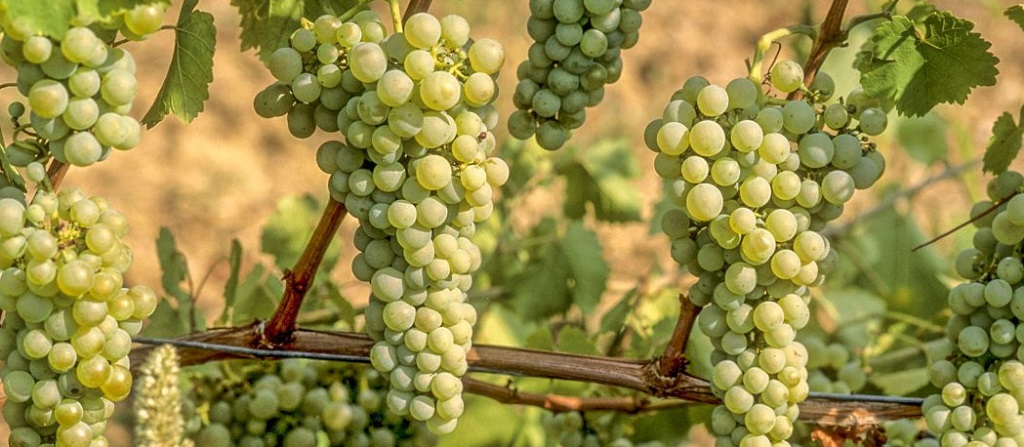
Alfrocheiro is a red grape variety native to Portugal, known for its deep colour, balanced acidity, and ability to produce fragrant, fresh, and fruit driven wines. It is most strongly associated with the Dão region, where it is increasingly being recognised as a valuable blending partner and an emerging varietal with elegance and finesse.
Alfrocheiro’s origins lie in the central and northern regions of Portugal, with its first known references dating back to the early twentieth century. It became more widely planted after the phylloxera crisis, particularly in the Dão, where it was appreciated for its colour and capacity to contribute aromatic lift to local blends. For many years, it remained in the background, overshadowed by more assertive varieties like Touriga Nacional and Jaen. Its reputation began to shift in the late twentieth century as winemakers sought to better understand its role and vinify it separately. Today, Alfrocheiro is increasingly bottled as a single varietal and celebrated for its balance and expressive fruit.
DNA testing confirms that Alfrocheiro is genetically distinct from other Portuguese red grapes. It is sometimes referred to as Alfrocheiro Preto to distinguish it from similarly named white varieties. In Spain, it is grown in small quantities under the name Baboso Negro, particularly in the Canary Islands, but the Portuguese plantings remain the most significant. It is widely used in the Dão, as well as in Alentejo, Beira Interior, and some parts of Lisboa. Despite its growing reputation, Alfrocheiro is still relatively unknown outside Portugal and rarely appears under its Spanish synonym.
Alfrocheiro is a mid ripening grape that performs best in well drained, moderately fertile soils. It is moderately vigorous and generally low yielding, making it well suited to quality focused viticulture. The vine is susceptible to powdery mildew and bunch rot, so careful canopy management and site selection are essential. It thrives in cooler areas of Dão, where diurnal temperature shifts help preserve acidity and aromatic definition. Alfrocheiro has good phenolic balance and develops deep pigmentation, making it an important contributor to colour and structure in blends.
Alfrocheiro is a mid ripening grape that performs best in well drained, moderately fertile soils. It is moderately vigorous and generally low yielding, making it well suited to quality focused viticulture. The vine is susceptible to powdery mildew and bunch rot, so careful canopy management and site selection are essential. It thrives in cooler areas of Dão, where diurnal temperature shifts help preserve acidity and aromatic definition. Alfrocheiro has good phenolic balance and develops deep pigmentation, making it an important contributor to colour and structure in blends.
Alfrocheiro produces red wines that are medium bodied, with deep colour, bright acidity, and fine grained tannins. Aromas typically include red cherry, raspberry, violet, fresh herbs, and subtle spice. On the palate, the wines are smooth, elegant, and often surprisingly persistent. The best examples show a balance of fruit purity and mineral tension. While most wines are intended for earlier consumption, top examples from low yielding vines and careful élevage can age for five to ten years, developing earthy, savoury complexity over time.
Alfrocheiro is part of the new wave of Portuguese winemaking that values finesse, freshness, and regional character. Producers in Dão and Alentejo are exploring its potential as a varietal, with single vineyard bottlings now appearing more frequently. Its ability to maintain acidity and balance in warm climates makes it increasingly attractive in the face of climate change. Sommeliers and wine writers are also beginning to pay attention to Alfrocheiro for its food friendly nature and honest, unforced charm. It is well placed to play a bigger role in Portugal’s red wine future.
Quinta dos Roques and Casa da Passarella produce benchmark Alfrocheiro from the Dão, offering structured, ageworthy expressions with a strong sense of place. Quinta da Pellada crafts refined, lifted versions that emphasise elegance and aromatic purity. In Alentejo, Herdade do Rocim and Fitapreta offer riper, juicier interpretations that retain the grape’s freshness and colour. Niepoort has also worked with Alfrocheiro in regional blends that highlight its contribution to balance and finesse. These wines show the stylistic versatility of Alfrocheiro and its growing role in modern Portuguese viticulture.