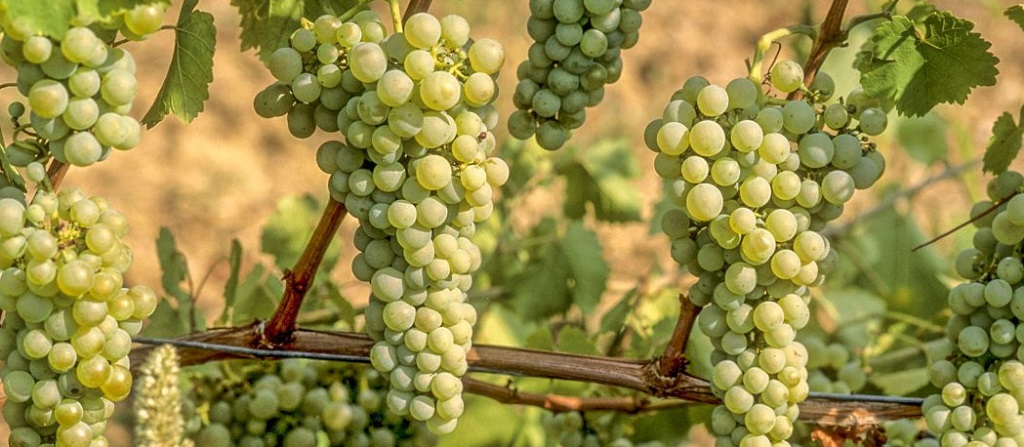
Arinto is one of Portugal’s most important and versatile white grape varieties, prized for its naturally high acidity, citrus character, and ageworthy structure. It is grown across the country in a range of climates and soils, producing wines that are both fresh and complex, from crisp varietals to structured blends.
Arinto has a long history in Portugal, especially in Bucelas, where it has been cultivated since at least the seventeenth century. Known for its ability to retain acidity even in hot climates, it became a valuable component of white blends throughout central and southern Portugal. In Bucelas, Arinto was historically bottled as a varietal and enjoyed a strong reputation, including export to England. Its reputation declined in the twentieth century due to overproduction and a shift toward international varieties, but Arinto has seen a revival in the last few decades, thanks to renewed interest in native grapes and terroir focused winemaking.
DNA profiling confirms Arinto is a distinct indigenous Portuguese variety with no known close relatives among international grapes. It is grown under its primary name across most of Portugal, but in the Vinho Verde region it is often referred to as Pedernã, a local synonym still used on some labels. Despite past confusion with varieties such as Bical and Loureiro, modern research confirms its genetic and stylistic individuality. Arinto is now recognised as a key white grape in appellations such as Bucelas DOC, Tejo, Alentejo, and Lisboa, as well as a valuable component in Vinho Verdeblends.
Arinto is a vigorous and adaptable vine, capable of growing in a wide range of soils and climates. It is late budding and moderately early ripening, with excellent resistance to heat and drought. Its standout feature is its ability to maintain high acidity even under warm growing conditions. It is moderately susceptible to powdery mildew but generally considered robust and reliable in the vineyard. It produces medium sized bunches with thick skinned berries, giving wines with freshness, texture, and aromatic clarity. Careful canopy management helps prevent overcropping and preserves balance.
Arinto’s high acidity and firm structure make it suitable for a wide range of winemaking styles. In fresher expressions, it is fermented and aged in stainless steel to highlight citrus and mineral notes. In richer styles, it is barrel fermented and aged on lees, often with bâtonnage to build weight and complexity. It is commonly blended with other Portuguese varieties such as Antão Vaz, Fernão Pires, or Verdelho, but monovarietal versions are increasingly popular. Some producers use amphora, concrete eggs, or extended lees contact to explore new textures. Sparkling Arinto is also made, especially in cooler regions, where its acidity supports traditional method production.
Arinto produces dry white wines that are medium bodied, with bright acidity, moderate alcohol, and flavours of lemon zest, green apple, white grapefruit, and wet stone. In barrel aged or mature examples, aromas of toasted almond, beeswax, and flint may emerge. The wines are typically structured and linear in youth, gaining depth and complexity with time. Arinto is particularly well suited to ageing, both in bottle and under cork, developing nutty and mineral notes over five to ten years or more. It is also used in crisp, high toned blends and as the base for vibrant Portuguese sparkling wines.
Arinto is experiencing a strong revival as winemakers seek grapes that combine freshness, structure, and Portuguese identity. In Bucelas, producers are returning to barrel aged, ageworthy styles that recall the region’s historic wines. Across Lisboa, Tejo, and Alentejo, Arinto is used to bring tension and precision to blends, while also appearing more often in single varietal bottlings. In Vinho Verde, it plays a supporting role in blends where it adds acidity and backbone. Interest in amphora, lees ageing, and sparkling wine has further expanded its stylistic range. Arinto’s adaptability makes it a key grape in Portugal’s response to warming climates and evolving palates.
In Bucelas, Caves Velhas and Quinta da Murta produce ageworthy Arinto with structure and mineral complexity. Pêra Manca by Fundação Eugénio de Almeida in Alentejo offers a richer, barrel aged expression with layered citrus and texture. Quinta do Pinto and AdegaMãe in Lisboa produce vibrant, terroir driven Arinto with finesse and length. In Tejo, Casal Branco makes clean, balanced versions that reflect the grape’s purity. These producers highlight Arinto’s versatility across regions and its growing role in Portugal’s fine white wine category.