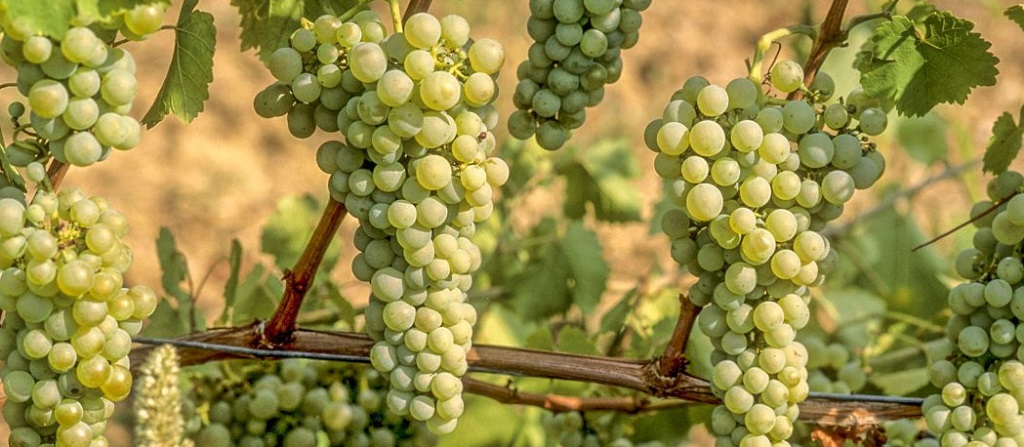
Athiri is a white grape variety native to Greece, particularly associated with the Aegean islands and the Dodecanese. It is valued for its soft citrus profile, moderate acidity, and suitability for blending. While rarely made as a standalone wine, Athiri plays an important role in traditional Greek blends, especially in the production of Retsina and the dry whites of Santorini and Rhodes.
Athiri is one of Greece’s oldest cultivated grape varieties, with a long history of use across the Aegean and southeastern mainland. It is particularly well established on the island of Rhodes, where it has been grown since antiquity. Its name is believed to derive from Thira, the ancient name for Santorini, suggesting historical links to the Cyclades as well. Traditionally, Athiri was used to produce soft, approachable white wines or blended with more structured varieties such as Assyrtiko to add freshness and fruit. Despite its modest reputation, it has remained an important grape due to its reliability and adaptability.
DNA analysis confirms Athiri as a distinct indigenous Greek variety, unrelated to the major international grapes. It has no widely recognised synonyms in current use, though local names and spelling variations may appear in older texts. Athiri is often listed on labels as part of a blend, particularly with Assyrtiko and Aidani in wines from Santorini or with Vilana and other local varieties on Rhodes and Crete. Its identity is strongly tied to traditional Greek winemaking, especially in maritime regions.
Athiri is an early ripening variety that thrives in warm, dry climates with good sun exposure. It is drought tolerant and performs well in poor soils, making it ideal for the rocky, windswept conditions of the Aegean islands. It is moderately vigorous and typically produces high yields unless carefully managed. Acidity levels can drop quickly as the grape ripens, so precise harvest timing is essential to maintain balance. In cooler, higher elevation sites, it retains more freshness and aromatic lift, contributing to more nuanced wines.
Athiri is typically vinified in stainless steel to preserve its delicate citrus and floral character. It is rarely aged in oak, though some producers may experiment with lees contact to enhance texture. Its soft acidity and subtle flavour profile make it best suited for early drinking. In blends, it is often used to round out the sharper edges of more structured varieties, adding volume and gentle fruit. In the production of Retsina, Athiri serves as a neutral and reliable base for the addition of pine resin. It is also occasionally used in sparkling wine production, particularly on Rhodes.
Athiri produces light to medium bodied white wines with soft acidity and aromas of lemon, green apple, white flowers, and subtle herbs. The palate is usually clean and smooth, with a gentle finish and low to moderate alcohol. As a varietal, it tends to be delicate and easy drinking, with limited ageing potential. In blends, it enhances drinkability and adds brightness to more structured grapes. Wines made from Athiri are typically consumed young and pair well with seafood, salads, and simple Mediterranean dishes.
Athiri remains a quiet presence in the Greek wine scene, valued more for its supporting role than for varietal expression. However, as interest grows in indigenous varieties and lighter, fresher white wines, some producers are revisiting Athiri’s potential, especially from older vines and higher elevation sites. Its drought tolerance and moderate alcohol make it attractive in the context of climate change and changing consumer preferences. While it is unlikely to become a flagship variety, Athiri continues to contribute to Greece’s diverse and regionally distinct white wine styles.
Look for blended wines from Santorini where Athiri plays a supporting role alongside Assyrtiko and Aidani, such as those from Domaine Sigalas, Hatzidakis, and Argyros. On Rhodes, Cair produces varietal and blended Athiri wines that showcase the grape’s soft texture and citrus lift, both in still and sparkling formats. In Crete, producers such as Lyrarakis and Douloufakis include Athiri in traditional white blends where it adds roundness and freshness. These wines highlight the quiet but enduring importance of Athiri in Greek viticulture.