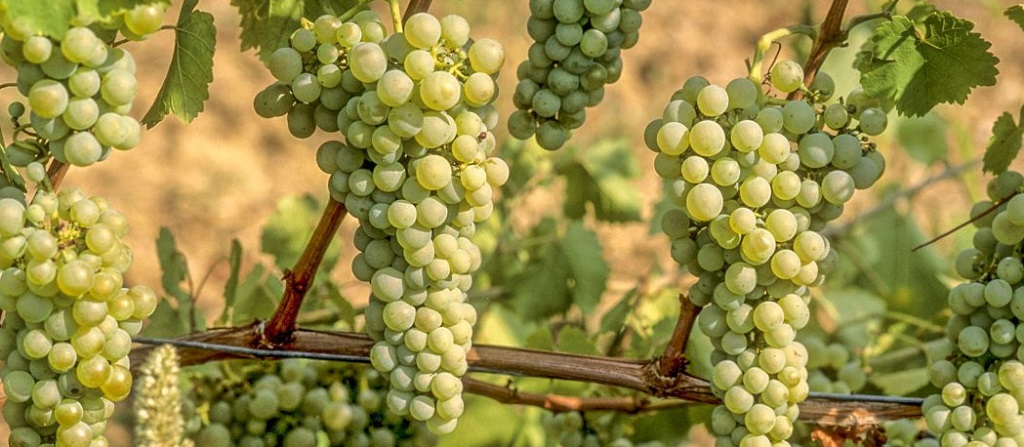
Babić is a red grape variety native to Dalmatia on Croatia’s Adriatic coast. It produces deeply coloured, robust wines with firm tannins, Mediterranean herbs, and dark fruit. Often grown on steep, rocky slopes overlooking the sea, Babić reflects its coastal origin through both power and freshness.
Babić has been grown in northern and central Dalmatia for centuries, with its cultivation concentrated around the town of Šibenik and nearby coastal villages. Historically, it was part of mixed vineyards alongside white and red varieties, used for local consumption and rarely bottled on its own. It began to gain recognition in the twentieth century for its ability to withstand drought and produce wines with character and structure in a harsh growing environment. In recent decades, quality minded producers have focused on Babić as a varietal, exploring its potential in dry, high altitude, and terraced vineyards, especially in the Primošten area.
Babić is considered indigenous to Croatia and is genetically distinct from other Dalmatian red varieties such as Plavac Mali. It has no confirmed parentage and no widely accepted synonyms outside of its native context. Though sometimes confused with other similarly named grapes, it is a unique variety. Babić is permitted in several Protected Designation of Origin zones and is most closely associated with the Primošten vineyards, which are among the most visually striking and historically significant in Croatia.
Babić is highly adapted to extreme Mediterranean conditions, thriving in stony, karst soils with minimal water and intense sunlight. It is typically grown in traditional dry stone terraces that help conserve moisture and protect against erosion. The vine is drought tolerant and moderately vigorous, with naturally low yields in poor soils. It ripens mid to late season and maintains acidity well despite high heat. Old bush vines, often dry farmed, produce small berries with thick skins, contributing to colour, tannin, and concentration. The steep and fragmented terrain makes mechanisation nearly impossible, so most work is still done by hand.
Babić is usually fermented in stainless steel or concrete with extended maceration to extract structure and depth. Ageing is often done in oak barrels, either Croatian, French, or Slavonian, depending on style and philosophy. The grape responds well to both neutral and lightly toasted wood. Some producers are experimenting with amphora and large format ageing to preserve freshness and highlight minerality. Malolactic fermentation is common, and some examples undergo bottle ageing before release. Due to its firm tannins and dark profile, winemakers often aim for a balance between rusticity and polish.
Babić produces dry red wines that are medium to full bodied with high colour intensity, firm tannins, and moderate to high acidity. Flavours typically include black cherry, plum, fig, Mediterranean herbs, black olive, and dried earth. With age or oak influence, notes of tobacco, balsamic, and smoke may emerge. The wines often have a savoury edge and a distinctly coastal character. While some younger styles are fresh and structured, old vine and barrel aged versions can be dense, ageworthy, and expressive of site. A few producers also make rosé from Babić, showing crisp acidity and herbal lift.
Babić is gaining traction as part of Croatia’s broader effort to elevate native varieties and regional expression. Producers in Primošten are seeking to highlight the unique growing conditions of this UNESCO listed vineyard landscape. Younger winemakers are embracing lower extraction, natural fermentation, and minimal intervention to showcase purity and terroir. The grape is increasingly used in single vineyard bottlings and marketed as a distinctive alternative to more common Mediterranean reds. International interest in Croatian wine is growing, and Babić plays a central role in expressing the identity of coastal Dalmatia.
Top examples of Babić come from producers such as Bibich Winery, which offers both youthful and barrel aged expressions with texture and aromatic depth. Miloš Winery and Testament Winery craft structured versions from high elevation vineyards with excellent ageing potential. Rak Winery and Baraka Winery in Šibenik also produce fine examples that balance fruit with salinity and freshness. These wines reflect the rugged beauty and ancient heritage of Dalmatia’s coastal vineyards, and the emerging potential of Babić as one of Croatia’s most characterful red grapes.