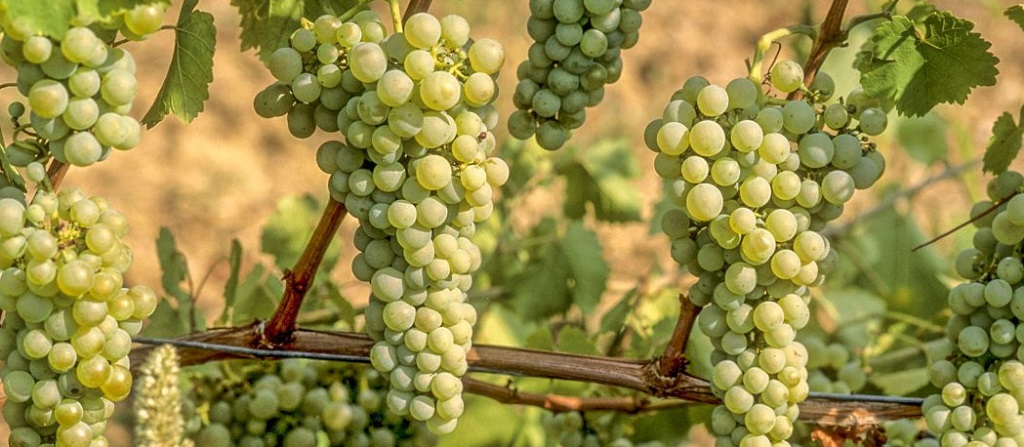
Baga is a red grape variety native to central Portugal, most closely associated with the Bairrada region. Known for its high acidity, assertive tannins, and ability to age gracefully, it produces wines that range from rustic and earthy to elegant and refined. Once overlooked, Baga is now undergoing a revival as one of Portugal’s most characterful indigenous grapes.
Baga has long been cultivated in Bairrada, where it was traditionally used to make firm, structured red wines often blended or bottled young without much refinement. For much of the twentieth century, it was associated with rustic, astringent wines, many of which were released before their tannins had softened. During this period, Baga’s reputation suffered as producers favoured volume over quality. The grape’s fortunes began to change in the 1980s and 1990s, thanks to the work of visionary producers who saw its potential for complexity and longevity. Today, Baga is increasingly seen as a heritage variety capable of expressing terroir and producing world class wines.
Baga is genetically distinct and not directly related to other well known Portuguese varieties. DNA testing has confirmed its identity, although it may share distant ancestry with other Atlantic varietals of the region. It is almost exclusively grown in Bairrada, though small amounts are found in Dão, Lisboa, and other parts of central Portugal. The name “Baga” is used consistently on labels, and the grape is rarely confused with other varieties. Despite its historic association with rustic wines, it is now increasingly used for high end reds, sparkling wines, and lighter, early drinking styles.
Baga is a vigorous, late ripening grape that thrives in the clay limestone soils of Bairrada. It is sensitive to rain and rot near harvest, which historically led to underripe and harsh wines in difficult vintages. Modern vineyard management, including yield control, canopy adjustment, and careful site selection, has improved ripening consistency. The grape naturally produces high acidity and thick skinned berries, giving wines with deep colour and firm structure. Baga benefits from old vines, which produce smaller yields and more balanced fruit, often from pre phylloxera rootstocks in traditional vineyard plots. Baga is known for its small berries and thick skins. As such, it is capable of giving wines with plenty of tannin and astringency. Each year harvest brings a conundrum: pick early and risk underripe, bitter fruit, or leave Baga on the wine and hope the conditions for rot, which it is susceptible to, do not materialise. That being said, Dirk Niepoort says “it really isn't an easy variety to work with, but if you don’t overcrop the vines, and you pick at just the right time, then Baga from Bairrada is certainly one of the best terroirs in Portugal.”
Baga requires thoughtful handling in the cellar to manage its tannins and extract its aromatic potential. Traditionally, it was fermented in large open vats and aged in large wood, resulting in powerful but sometimes coarse wines. Today, fermentation typically takes place in temperature controlled tanks or lagares, with maceration times adjusted to preserve fruit and avoid bitterness. Ageing varies depending on style, fresh, youthful expressions are bottled early, while structured wines see extended time in oak or bottle. Some producers use amphorae or concrete for a purer, more delicate profile. Baga also performs well in sparkling wine production, especially in rosé styles.
Baga produces red wines that are medium to full bodied with high acidity, firm tannins, and flavours of sour cherry, redcurrant, dried herbs, tobacco, earth, and black tea. In youth, the wines are often intense and angular, but with time they develop complexity, savoury depth, and a Burgundian sense of place. Older Baga wines can show remarkable finesse, with lifted aromatics and soft, fine grained tannins. Modern styles include both traditional, ageworthy reds and fresher, more approachable versions designed for earlier drinking. Baga is also a key component in traditional method sparkling wines from Bairrada, valued for its acidity and red fruit character.
Baga has become a symbol of Portugal’s return to native grape varieties and site expressive wines. Producers such as Luis Pato, Filipa Pato, and Niepoort have redefined the grape’s possibilities, focusing on sustainable farming, minimal intervention, and ageing potential. Old vine, single vineyard bottlings are becoming more common, and interest in Baga from sommeliers and international wine writers continues to grow. The grape’s high natural acidity and moderate alcohol make it attractive in the context of climate change and evolving consumer preferences. From sparkling to structured red, Baga’s renaissance is well underway.
Luis Pato is the most influential name in Baga, producing everything from fresh rosés to complex, cellarworthy reds from old vines and single vineyards. Filipa Pato, working biodynamically, offers vibrant, elegant expressions that highlight the grape’s floral and mineral sides. Niepoort’s Poeirinho is a refined, old vine Baga that captures the grape’s ageing potential and Burgundian sensibility. Quinta das Bágeiras produces traditional, structured Baga with impressive longevity, while Aliás and Vadio explore fresher, natural expressions with finesse and personality.