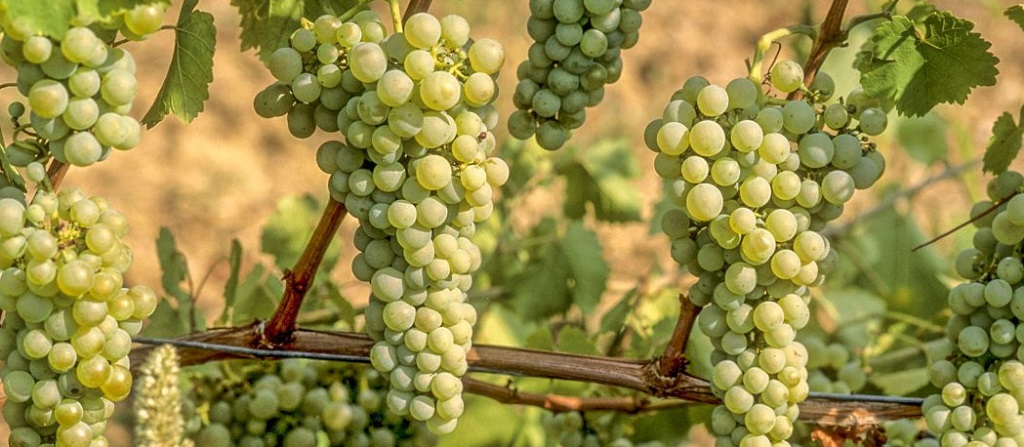
Bastardo is a dark skinned red grape of Iberian origin that produces pale coloured, aromatic wines with soft tannins, moderate alcohol, and a distinctive earthy red fruit profile. Though long overlooked, it is now gaining recognition for its role in elegant, lighter red wines across Portugal, Spain, and a few select New World regions.
Bastardo has been cultivated in Portugal for centuries, particularly in Dão, Beira Interior, and parts of the Douro Valley, where it was traditionally used in fortified wine production. It also has a long presence in Spain, especially in Galicia and Castilla y León, where it is often called Merenzao. In both countries, Bastardo was historically planted in small quantities and often included in field blends, rarely bottled on its own. Its name in Portuguese likely refers to its unusual or unpredictable nature in the vineyard. Though plantings declined in the twentieth century, a wave of interest in indigenous and lighter bodied varieties has recently revived attention to Bastardo in both traditional and modern styles.
DNA analysis confirms that Bastardo and Merenzao are the same variety. It is also known as Trousseau in France, where it has been grown in the Jura since at least the seventeenth century. In Australia and the United States, it sometimes appears under the name Gros Cabernet or Bastardo Port, usually for fortified styles. In France, Trousseau is one of the permitted red varieties in Arbois AOC, often made into light, fragrant wines. Despite its many names, all refer to the same genetically confirmed grape. Bastardo is not related to Cabernet Sauvignon or to Bastardo Magarachskii, a separate variety.
Bastardo is an early budding, early ripening variety that requires warmth and well drained soils to reach full maturity. It performs best in granitic or schist based soils and is sensitive to mildew, rot, and excessive humidity. The vine is moderately vigorous but yields can be inconsistent due to its tendency toward millerandage and uneven flowering. Its berries are small with relatively thin skins, resulting in wines that are pale in colour but high in aromatic potential. Because of its fragility in the vineyard, Bastardo is best suited to attentive, small scale viticulture and low intervention farming practices.
Bastardo responds well to gentle winemaking, with low extraction and careful handling to preserve its perfume and light structure. It is typically fermented in stainless steel or concrete with short maceration periods to avoid overworking its delicate phenolics. Some producers use whole bunch fermentation or carbonic maceration to enhance its lifted aromatics and fresh palate. Ageing is often done in neutral vessels such as large foudre or old barrels, though some styles receive a light touch of oak to add texture. In fortified wine production, the grape is vinified similarly to other Port varieties, with short fermentation and fortification to retain sweetness and fruit.
Bastardo produces dry red wines that are light to medium bodied, with moderate alcohol, soft tannins, and bright acidity. The wines are typically pale in colour but expressive in aroma, showing notes of wild strawberry, red cherry, dried flowers, earth, and sweet spice. In cooler regions, it can display lifted herbal and mineral notes. Texturally, the wines are often silky and transparent, with a savoury edge and a fresh, food friendly profile. In fortified styles, Bastardo contributes high toned fruit and aromatic lift, though it is rarely used as a dominant component.
Bastardo is increasingly valued by producers who seek to craft elegant reds with moderate alcohol and strong regional identity. In Portugal, growers in Dão and Beira Interior are reviving old plantings and producing varietal bottlings that highlight its freshness and purity. In Galicia, Merenzao is used in both blends and monovarietal wines with floral aromatics and mountain acidity. In the Jura, Trousseau continues to thrive as part of the region’s identity, often made in a reductive or oxidative style. Bastardo is also gaining attention among natural wine producers and sommelier led projects that celebrate underappreciated native grapes.
In Portugal, Quinta da Biaia and Conceito Vinhos bottle expressive, fragrant Bastardo from high elevation sites. Dirk Niepoort has experimented with monovarietal Bastardo in both dry and fortified forms. In Spain, Dominio do Bibei and Fedellos do Couto offer Merenzao based wines with freshness and aromatic clarity. In France, Michel Gahier and Domaine de la Tournelle craft pure Trousseau from the Jura with minimal intervention and fine texture. These wines reflect Bastardo’s wide stylistic range and its growing appeal as a grape of nuance and character.