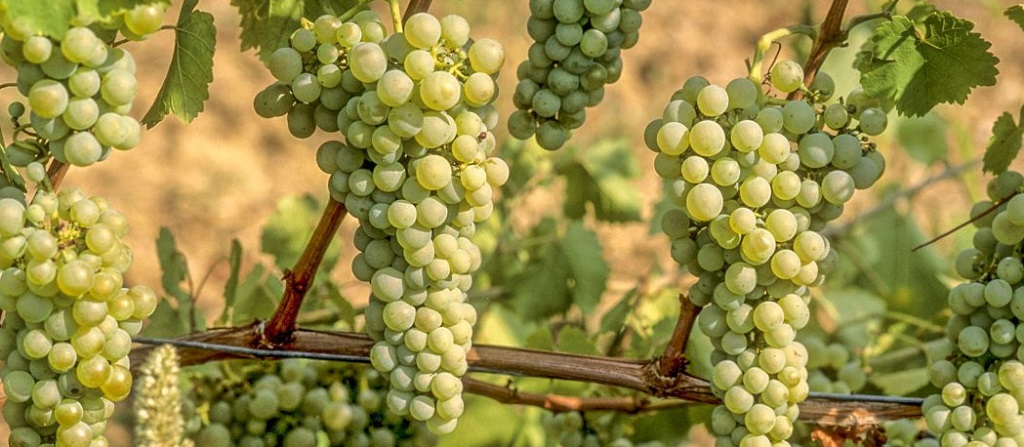
Biancone di Portoferraio is a little known white grape variety native to the island of Elba, off the Tuscan coast of Italy. Often used in blends and rarely seen as a varietal wine, it is valued locally for its productivity and adaptability. While historically overlooked, it is part of ongoing efforts to document and preserve Elba’s viticultural heritage.
Biancone di Portoferraio takes its name from the town of Portoferraio on the island of Elba, where it has long been cultivated in mixed vineyards. The name “Biancone” refers to the large, pale berries the vine produces. Historically, the grape was used in rustic blends intended for local consumption, often cofermented with other indigenous white or light skinned varieties. Like many traditional grapes of small Mediterranean islands, Biancone di Portoferraio fell into decline during the twentieth century as viticulture contracted and international varieties took hold. In recent years, renewed interest in island wines and native biodiversity has brought attention back to this obscure but culturally significant grape.
DNA analysis has shown that Biancone di Portoferraio is genetically identical to the Corsican variety Biancu Gentile and is closely related to Biancone, a name used historically across parts of mainland Tuscany and Liguria. Despite this, the Elban biotype is considered distinct in its adaptation to the island’s soils and climate. The grape is sometimes confused with other large berried white varieties, but current ampelographic research recognises Biancone di Portoferraio as a distinct local expression. It is rarely planted outside of Elba and is not commercially significant beyond Tuscany.
Biancone di Portoferraio is a vigorous and high yielding variety that ripens mid to late in the season. It thrives in Elba’s Mediterranean climate, where dry summers and coastal breezes help control disease pressure. The vine produces large clusters and large, thick skinned berries, which make it resistant to rot and suitable for extended hang time. However, its natural tendency toward high yields must be managed carefully to avoid dilution and preserve aromatic character. It is typically grown in mixed plots with other local varieties and remains largely in the hands of small growers.
The grape is most often vinified in blends, where it contributes body and neutral fruit to more aromatic or acid driven varieties. When made as a varietal wine, Biancone di Portoferraio is typically fermented in stainless steel to preserve freshness and prevent oxidation. It may undergo brief skin contact or lees ageing to enhance texture, though oak is rarely used. The wines are best consumed young, as they tend to lack the acidity and structure for extended ageing. In traditional contexts, it may be used for simple table wines or local bottlings with limited distribution.
Biancone di Portoferraio produces dry white wines that are light to medium bodied, with subtle aromas of pear, melon, fennel, and white flowers. Acidity is moderate to low, and the palate tends to be soft, with a gently rounded finish. When yields are controlled and fruit is carefully handled, the wines can show pleasant balance and charm, though they remain relatively neutral in flavour. It is rarely seen outside of blends and is typically produced in small quantities for local consumption on Elba.
Interest in Biancone di Portoferraio is part of a broader movement to recover the genetic and cultural diversity of island viticulture. On Elba, a few growers and research institutions are cataloguing old vines and promoting indigenous varieties. As wine tourism grows and consumers seek regional authenticity, the grape is being reconsidered for its historical value and its potential role in local blends. Though unlikely to gain international prominence, it represents a living link to Elba’s agricultural past and contributes to the preservation of traditional Mediterranean winegrowing.
Due to its rarity, varietal bottlings of Biancone di Portoferraio are difficult to find. Local producers such as La Chiusa, Acquabona, and Tenuta La Sabatina occasionally include the grape in their Elba Bianco DOC blends, where it adds softness and roundness. These wines are best enjoyed on the island itself, where they are paired with local seafood, vegetables, and simple countryside cooking. While not a grape of great complexity, Biancone di Portoferraio offers a glimpse into the rustic, coastal viticulture of Tuscany’s most storied island.