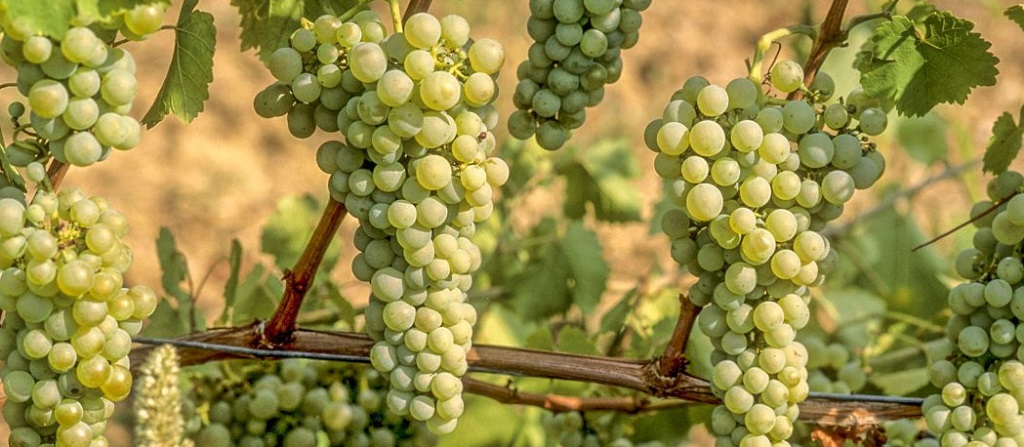
Bobal is a red grape variety native to eastern Spain, known for its deep colour, fresh acidity, and robust tannins. Traditionally used in bulk wine and blends, it is now increasingly recognised for its potential to produce structured, ageworthy reds and vibrant rosés, particularly from old vines grown at altitude.
Bobal has been cultivated in Utiel Requena and surrounding parts of Valencia for centuries. Its name likely derives from the Latin bovale, referencing the shape of its compact grape clusters, which resemble a bull’s head. For most of the twentieth century, Bobal was valued for its high yields and dark colour, making it a staple of Spanish bulk wine production. It was rarely bottled on its own and was often dismissed as rustic or overly tannic. In recent decades, however, the discovery of old bush vines in high elevation sites has led to a reevaluation of Bobal’s quality potential. Today, it is emerging as a signature variety of eastern Spain.
Bobal is a genetically distinct variety with no confirmed close relatives among Spain’s major red grapes. It is almost exclusively grown in Spain, where it is authorised in several appellations but finds its most important expression in Utiel Requena DO. A small amount is also planted in Manchuela, Castilla La Mancha, and Murcia, as well as parts of France under the name Carignan d'Espagne or Terret d'Espagne. There are no important synonyms, beyond minor local variants such as Requeno, Valenciana, Tinta Madrid, and Tinto de Zurra.
Bobal is a vigorous and productive vine that performs best in dry, continental conditions with wide diurnal temperature swings. It is highly drought tolerant and well suited to poor, sandy or limestone based soils. The variety ripens late and requires a long growing season to reach full maturity. Its thick skins and compact bunches contribute to high phenolic content and strong disease resistance. While capable of high yields, Bobal produces its best fruit from old bush vines grown at altitude, where natural acidity and structure are preserved. These conditions allow the grape to achieve concentration without excessive alcohol.
Bobal requires careful winemaking to balance its robust tannin and extractive nature. For red wines, it is often fermented in stainless steel or concrete, with moderate to extended maceration depending on desired style. Some producers use whole bunch fermentation or gentle punch downs to avoid overextraction. Oak ageing is common, especially in neutral or lightly toasted French barrels that soften structure without masking fruit. For rosé, early harvesting and short skin contact are used to capture freshness and colour. Increasingly, winemakers are exploring natural fermentation, amphora, and minimal sulphur to express the grape’s raw character and sense of place.
Bobal produces dry red wines that are medium to full bodied, with deep colour, bright acidity, and firm tannins. Aromas often include black cherry, cranberry, dried herbs, cocoa, and wildflowers. With age or oak influence, notes of tobacco, leather, and spice emerge. While some styles are rustic and dense, others are more lifted and mineral, especially from higher elevation sites with old vines. Bobal is also well suited to rosé production, where its vivid colour, acidity, and red fruit flavours result in lively, food friendly wines. The best examples offer a combination of freshness, structure, and regional authenticity.
Bobal is undergoing a quiet transformation from a high volume blending grape to a serious varietal wine. In Utiel Requena, producers are focusing on old vines, altitude, and single vineyard expressions. Manchuela and Ribera del Júcar are also emerging as regions for refined Bobal with balance and complexity. There is growing interest in organic viticulture, low intervention winemaking, and the preservation of traditional bush vines. Among younger winemakers, Bobal is increasingly viewed as a symbol of identity and a counterpoint to international varieties. Its combination of power and acidity makes it well suited to changing climate conditions and evolving consumer tastes.
In Utiel Requena, Bodegas Mustiguillo produces expressive, ageworthy Bobal from limestone soils under the Finca Terrerazo label. Bodegas Ponce in Manchuela makes elegant, floral styles with finesse and length, including the standout P.F. from ungrafted vines. Dominio de la Vega offers both structured reds and vibrant rosados that highlight the grape’s versatility. Bodegas Vegalfaro and Vera de Estenas produce balanced, terroir driven examples with restrained oak and varietal clarity. These producers reflect Bobal’s evolution from quantity to quality and its growing role in Spain’s fine wine revival.