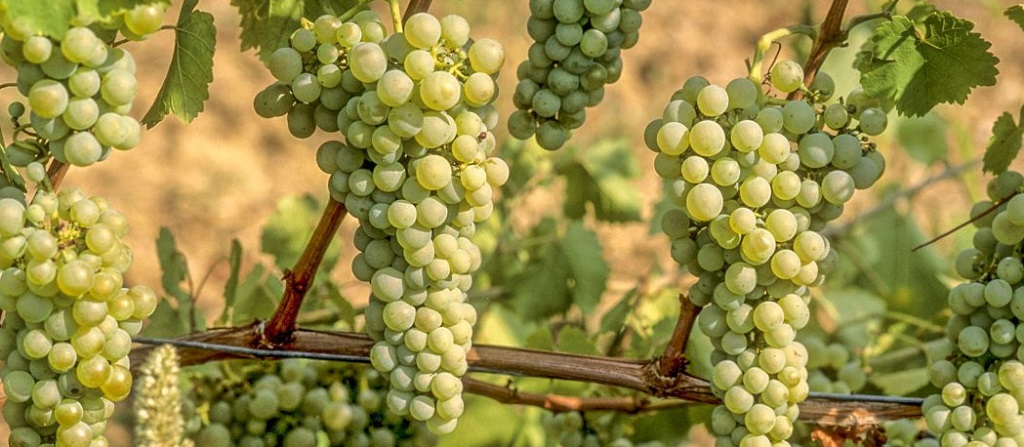
Busuioacă de Bohotin is a highly aromatic, pink skinned grape variety native to Romania. Known for producing intensely perfumed rosé and off dry wines with notes of rose, strawberry, and basil, it is grown almost exclusively in small pockets of eastern Romania. Though rare, it has a dedicated following and is one of the country’s most distinctive native varieties.
Busuioacă de Bohotin takes its name from the village of Bohotin in Iași County, located in the historical region of Moldavia. It has been cultivated there for generations, often in family vineyards and small plots. While its exact origins are unclear, the grape has long been valued for its aromatic intensity and has remained a regional curiosity in Romanian viticulture. Unlike many other native grapes that fell out of favour during the communist era, Busuioacă de Bohotin maintained a modest presence due to its popularity in local markets. In recent years, it has begun to attract more attention as part of Romania’s effort to revive native varieties and promote regional identity.
Busuioacă de Bohotin is genetically distinct and is believed to be related to the broader group of Muscat type grapes, though it is not identical to Muscat Blanc à Petits Grains or other common Muscats. The name comes from the Romanian word busuioc, meaning basil, a reference to the herbaceous and floral notes often found in the wine. It is sometimes locally referred to simply as Busuioacă. The grape is almost entirely cultivated in Romania, with key plantings in the regions of Bohotin, Huși, Dealu Mare, and Pietroasa. It is not known to be widely planted or recognised outside the country.
Busuioacă de Bohotin is moderately vigorous and mid ripening, requiring warm, dry conditions to reach full aromatic potential. It is well suited to the continental climate of eastern Romania, where warm summers and cool nights help preserve acidity and aromatic precision. The grape is sensitive to rot and requires careful canopy management to ensure good airflow and sun exposure. Yields must be controlled to maintain concentration, particularly in premium wine styles. It is typically harvested earlier than red varieties to retain freshness and floral lift.
Busuioacă de Bohotin is most commonly vinified as a rosé or pale red, often with a small amount of residual sugar to emphasise its aromatic and fruity qualities. Cold fermentation in stainless steel is the standard method to preserve its delicate perfume. Some producers experiment with short skin contact or early pressing to manage colour and extract desired aromatics. Dry styles are becoming more common, though the grape’s natural appeal lies in its off dry, lightly textured form. Oak is rarely used, as it can overwhelm the grape’s subtle floral and herbal character.
Busuioacă de Bohotin produces wines with a distinctive aromatic profile, typically showing rose petal, wild strawberry, red cherry, sweet spice, and fresh basil. The palate is light to medium bodied with soft acidity and a rounded texture. Most wines are off dry, with just enough sugar to enhance the fruit and floral character without cloying. Dry styles can show a more herbal, slightly bitter edge. Alcohol levels are generally moderate, and the wines are best enjoyed young, within a year or two of release. While still wines dominate, some producers are exploring sparkling versions that highlight the grape’s natural perfume and freshness.
As Romanian wine regains international attention, Busuioacă de Bohotin is emerging as a key marker of regional identity. Producers are refining their approach, focusing on purity, balance, and typicity. The grape’s appeal to consumers lies in its accessible style, aromatic charm, and food friendliness. A new wave of winemakers is experimenting with dry and natural versions to broaden its stylistic reach. While it remains a niche variety, it is increasingly positioned as a flagship rosé grape for Romania, offering an alternative to more commercial styles made from international varieties.
Cotnari produces one of the most widely available and classic examples, with an off dry style that showcases the grape’s rose and basil character. Vincon’s “Beciul Domnesc” offers a rounder, more fruit driven expression. Domeniile Averesti crafts both traditional and drier interpretations, with more precision and mineral tension. For a fresher, lighter take, look to small producers in Bohotin or Huși experimenting with early picked, low intervention styles. These wines capture the unique profile of Busuioacă de Bohotin and demonstrate its potential as Romania’s signature aromatic rosé grape.