Cagnulari is a red grape variety native to Sardinia, known for producing dark, earthy wines with soft tannins and vibrant acidity. It thrives in the northwestern part of the island and is valued for its rustic charm, regional character, and affinity with Mediterranean cuisine.
Cagnulari has long been cultivated in northwestern Sardinia, especially in the province of Sassari and around Alghero. Historical records suggest it may have arrived from Spain during Aragonese rule in the Middle Ages, and it is sometimes linked to varieties grown in Catalonia. For centuries, it was grown in mixed plantings and used to make simple, robust wines for local consumption. It declined significantly in the twentieth century due to its limited productivity and the rise of international grapes. In recent decades, interest in Sardinia’s indigenous varieties has led to a modest revival of Cagnulari, with producers focusing on quality and site expression.
DNA profiling indicates that Cagnulari is genetically identical to Graciano, a grape found in Rioja and Navarra in Spain, where it plays a small but important blending role. Despite this connection, the Sardinian expression is stylistically distinct due to soil, climate, and winemaking practices. It is most commonly labelled as Cagnulari, especially under Alghero DOC, where it is often bottled as a varietal. It is not widely grown outside northwestern Sardinia and remains relatively unknown beyond the island.
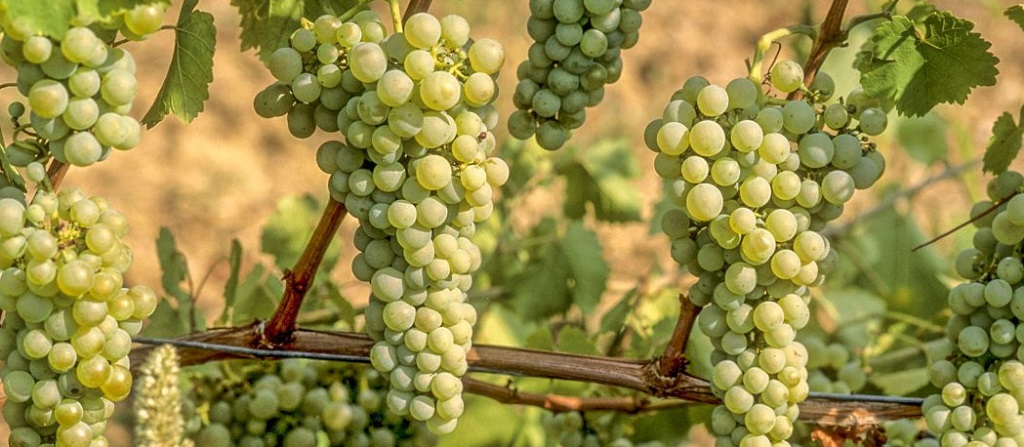
Cagnulari is a late ripening variety that thrives in warm, dry climates with good sun exposure. It performs best on the calcareous and clay rich soils of Sassari and Alghero, where maritime breezes help moderate temperatures and reduce disease pressure. The vine is moderately vigorous and prone to irregular yields, requiring careful vineyard management to ensure consistency. It produces compact bunches of small, thick skinned berries that contribute to deep colour and firm structure. The grape’s natural acidity helps maintain balance even in hot conditions, making it well suited to the Mediterranean climate.
Cagnulari is typically vinified in stainless steel or cement to preserve fruit and freshness, with some producers using neutral oak or older barriques to round out tannins and add savoury complexity. It is rarely made in a highly extracted or heavily oaked style. The grape’s moderate tannins and bright acidity make it suitable for early release, though the best examples benefit from a few years of bottle ageing. Maceration times are usually short to medium, aiming to balance colour and structure without overwhelming the wine’s earthy charm. Blending is rare, as Cagnulari is increasingly appreciated as a varietal wine.
Cagnulari produces medium bodied red wines with moderate alcohol, lively acidity, and flavours of red cherry, plum, dried herbs, black pepper, leather, and iron rich earth. Aromatics often include wild Mediterranean scrub, violet, and a subtle gamey note. Tannins are soft but present, and the finish is typically dry, rustic, and food friendly. The wines are approachable in youth but can evolve savoury and tertiary notes with short to mid term cellaring. While not designed for long ageing, the best examples show surprising depth and regional expression.
Cagnulari is experiencing a quiet resurgence, driven by a renewed focus on Sardinia’s indigenous grapes and the distinctiveness of the Alghero DOC zone. Producers are exploring lower yields, single vineyard expressions, and traditional farming techniques to bring out the variety’s authentic voice. Organic and sustainable viticulture is becoming more common, and the grape’s moderate alcohol and acidity are aligning well with evolving consumer preferences. Though still under the radar internationally, Cagnulari is gaining recognition among sommeliers and regional wine enthusiasts for its character, food compatibility, and honest sense of place.
Tenute Delogu produces varietal Cagnulari with purity, balance, and dark fruit concentration. Santa Maria La Palmaoffers approachable styles under the Alghero DOC, while Cherchi crafts more structured, ageworthy examples with spice and mineral tension. Cantina Sorres makes small batch, site focused bottlings that highlight the grape’s aromatic charm and rustic elegance. These producers capture the potential of Cagnulari as a distinctive Sardinian red with both historical roots and modern appeal.