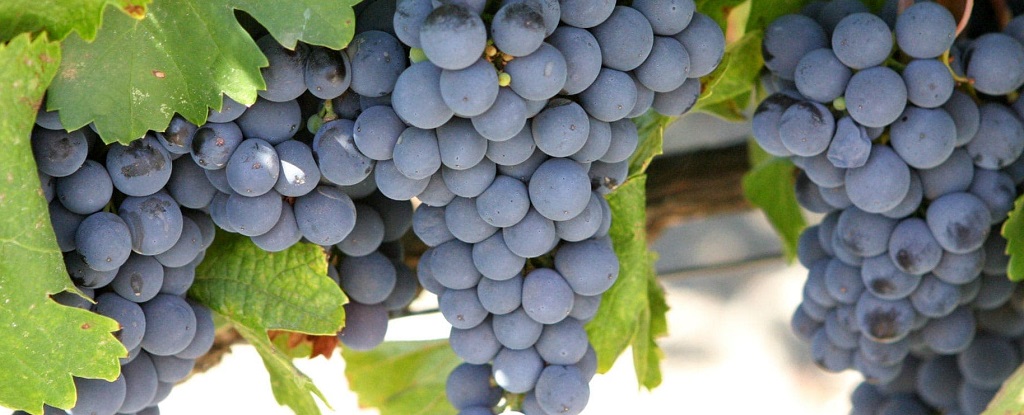
Carménère is a dark skinned red grape originally from Bordeaux that is now most closely associated with Chile. Known for its deep colour, smooth texture, and distinctive notes of red fruit, spice, and green herbs, Carmenère produces structured yet approachable wines with a unique varietal identity.
Carmenère was historically planted in Bordeaux alongside Merlot and Cabernet Franc and was once widely used in blends throughout the Médoc and Graves. Its name comes from the French word for crimson, a reference to the vivid colour of its autumn foliage and wines. The grape fell out of favour in the late nineteenth century after phylloxera devastated vineyards in France. It was presumed extinct until the 1990s when researchers identified it thriving under the name Merlot in Chilean vineyards. Since then, Carmenère has become Chile’s signature red variety and a symbol of the country’s modern wine identity. Plantings are now expanding globally, but Chile remains its heartland.
DNA profiling has confirmed that Carmenère is a distinct member of the Cabernet family and is closely related to Cabernet Sauvignon and Cabernet Franc. It shares a parent with Merlot, explaining its historical confusion with that variety. In Chile, it was long misidentified as Merlot and referred to locally as Merlot Chileno. Today, it is correctly labelled and widely planted across the country. In Italy, small amounts are grown in Veneto and Friuli under the same name. It may still be found in a few vineyards in Bordeaux, but it is no longer permitted in most appellations. The grape has no widely used synonyms.
Carmenère is a late ripening variety that requires a long growing season to achieve full phenolic ripeness. It thrives in warm dry climates with well drained soils, especially those with gravel or clay content. The vine is moderately vigorous and produces small to medium sized berries with thick skins and high colour potential. It is sensitive to coulure and can suffer from uneven ripening if not managed carefully. In cooler or wetter sites, it tends to retain green flavours and harsh tannins, so site selection and yield control are essential for quality. In ideal conditions, it develops full flavour ripeness while retaining balance and freshness.
Carmenère is usually fermented in stainless steel and often aged in French or American oak to round out its tannins and add spice. Maceration times are adjusted depending on ripeness and style, with careful extraction needed to avoid excessive greenness. Oak ageing is typically moderate to long, as the grape benefits from integration of its firm tannins and savoury character. Some winemakers choose to blend it with Merlot or Cabernet Sauvignon to soften edges and add complexity, though varietal bottlings are increasingly popular. Temperature control and fruit selection are key to producing elegant and expressive Carmenère.
Carmenère produces dry red wines that are medium to full bodied, with deep colour, moderate acidity, and smooth but structured tannins. Aromas and flavours typically include redcurrant, plum, blackberry, black pepper, paprika, and roasted green pepper or fresh herbs. With oak ageing, notes of chocolate, tobacco, and sweet spice emerge. The palate is usually round and supple, with a long savoury finish. In cooler vintages or poorly ripened examples, the wine can taste herbaceous and metallic, but when fully ripe, it offers a distinctive and balanced profile. Most wines are made for early to mid term drinking, though top examples can age well.
Carmenère has become a flagship variety for Chile, with leading producers exploring its potential across different regions, elevations, and soil types. The Colchagua Valley and Apalta in particular have emerged as centres for high quality Carmenère. As Chilean viticulture moves toward site expression and lower intervention, Carmenère is being reimagined in fresher, more restrained styles that emphasise balance over power. Outside Chile, countries like China and Italy are experimenting with the grape, while in France it remains a curiosity. Its resurgence has made it a point of pride for Chile and a unique alternative to more widely planted Bordeaux grapes.
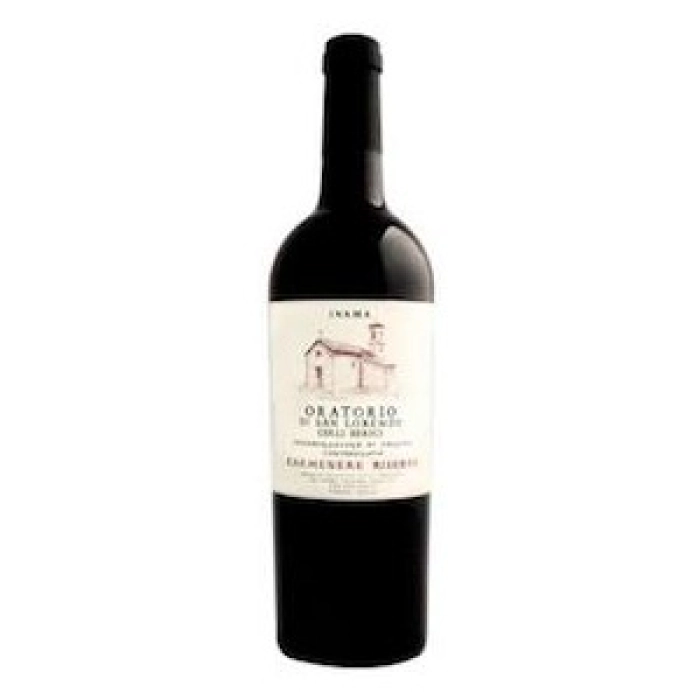
In Chile, De Martino and Lapostolle produce refined and ageworthy Carmenère that highlight purity of fruit and balance. Casa Silva and Montes make impressive fuller bodied expressions from Apalta and Los Lingues. TerraNoble explores vineyard differences in a series of site driven Carmenère bottlings. In Italy, Inama in Veneto makes a floral, elegant version with lots of freshness.
Recommended wines made with Carménère
Colli Berici DOC Riserva "Oratorio di San Lorenzo"