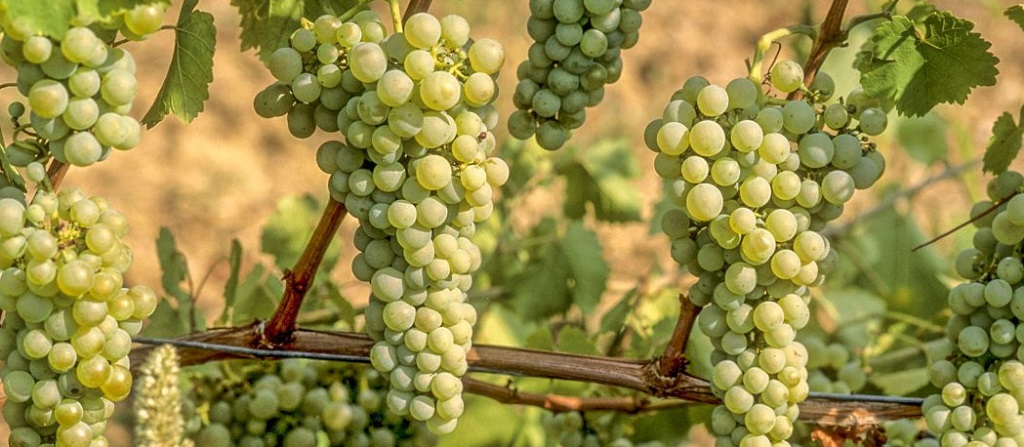
Castelão is a red grape variety native to southern Portugal, particularly well adapted to hot, dry conditions. Known for its firm tannins, bright acidity, and ability to age gracefully, it is capable of producing both rustic and refined wines, depending on vineyard site and vinification. It is among Portugal’s most widely planted and historically significant red grapes.
Castelão has been cultivated in Portugal for centuries, especially in Setúbal, Lisboa, and the southern coastal regions. Historically, it was the dominant red variety in Palmela, where it thrived in sandy soils and was used for robust, ageworthy wines as well as basic table blends. Its popularity spread across southern Portugal due to its drought tolerance and reliability in tough growing conditions. Despite its importance, it was often used in bulk production until the late twentieth century, when a new generation of producers began exploring its potential for structure, depth, and site expression. Today, Castelão is being reappraised as a grape capable of much more than rustic country wines.
Castelão is genetically distinct and has several synonyms, the most common of which is Periquita. This name, made famous by the José Maria da Fonseca brand, is still widely used informally, though Castelão is now the standard varietal label. DNA testing confirms that Castelão is not closely related to other major Portuguese grapes such as Touriga Nacional or Trincadeira. It is widely planted across Alentejo, Tejo, Lisboa, and Setúbal, and occasionally appears in blends from Douro and Dão. It is rarely found outside Portugal but has been trialled in Brazil and South Africa.
Castelão is a hardy, late ripening variety that excels in warm, arid climates. It thrives in poor, sandy, or well drained soils and shows good resistance to drought. However, it is prone to rot and mildew in humid conditions, which makes it less suitable for northern regions. The vine is vigorous and productive, so yield control is essential for quality. When yields are managed, Castelão produces small berries with thick skins that give deep colour, firm tannins, and aromatic complexity. It benefits from old vines, especially in traditional, unirrigated vineyards near the coast.
Castelão can be vinified in a range of styles. Traditionally, it was fermented in large wooden vats and aged in neutral casks to soften its tannins and develop savoury depth. Today, temperature controlled fermentation and gentle extraction techniques are used to highlight its fruit character and manage structure. Oak ageing is often employed to bring polish and integrate tannins, with both used barrels and new French oak depending on the desired style. Castelão responds well to bottle ageing, which helps soften its structure and reveal dried fruit, spice, and earthy complexity. Carbonic maceration and rosé versions are also possible, though less common.
Castelão produces medium to full bodied red wines with moderate to high tannins, fresh acidity, and aromatic profiles that include sour cherry, red plum, dried fig, leather, tobacco, and garrigue. In youth, the wines can be angular and tight, but with age they develop harmony, savoury nuance, and subtle complexity. Alcohol levels are moderate to high depending on the region. The best examples show a balance between rustic structure and Mediterranean warmth. Castelão is also capable of producing soft, easy drinking reds with juicy red fruit and floral tones when vinified for early consumption.
Castelão is being rediscovered by winemakers who see potential in its resilience, ageing capacity, and expression of terroir. In Palmela, single varietal Castelão from old vines is gaining respect for its depth and regional character. Across Alentejo and Lisboa, it is being included in increasingly refined blends alongside Alicante Bouschet, Touriga Nacional, and Trincadeira. Natural and low intervention producers are exploring Castelão for its ability to ferment spontaneously and deliver freshness without manipulation. As climate change increases the need for drought resistant varieties, Castelão’s role in sustainable viticulture is likely to grow.
José Maria da Fonseca continues to produce benchmark Castelão in both traditional and modern styles, from the iconic Periquita label to more ambitious bottlings from old vines. Herdade do Cebolal and Quinta do Piloto offer structured, terroir driven expressions from the Setúbal Peninsula. Vale da Capucha and Adega Mãe in Lisboa work with Castelão in blends that highlight its freshness and perfume. In Alentejo, Fitapreta and Herdade dos Grous craft ripe, spicy examples that balance structure and generosity. These producers showcase the range and revival of Castelão across southern Portugal.