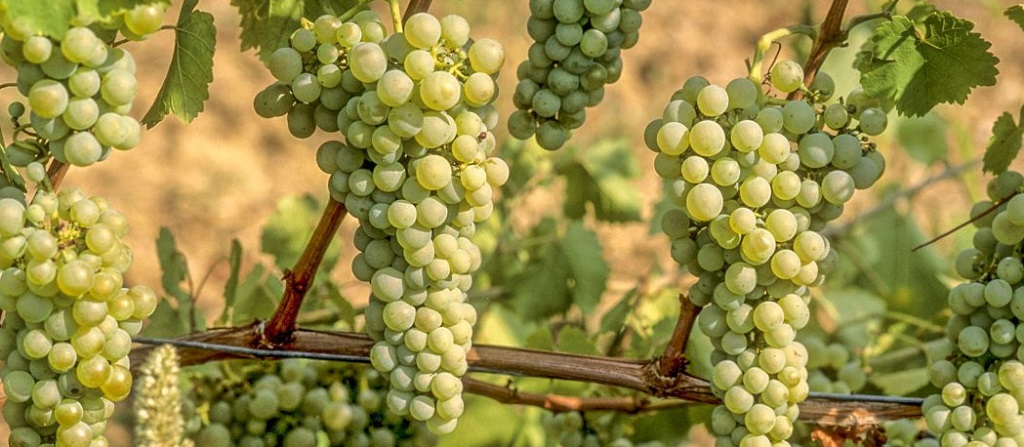
Chinuri is a white grape variety native to eastern Georgia, valued for its high acidity, late ripening nature, and suitability for both still and traditional method sparkling wines. Long cultivated in the Kartli region, it plays a significant role in both Georgia’s ancient qvevri winemaking tradition and its growing reputation for elegant, fresh white wines.
Chinuri has been grown for centuries in Kartli, the historical heartland of Georgia and a key area for both wine and political power. Unlike many Kakhetian varieties, Chinuri has long been favoured in western and central Georgia, especially in areas near Gori, Kaspi, and Mtskheta. Its natural acidity and thick skin made it an excellent candidate for both still white wines and early versions of traditional method sparkling wines, which were produced as early as the Soviet era. Though it was sometimes blended with Rkatsiteli or Goruli Mtsvane, it was also appreciated as a varietal for its vibrancy and freshness. Today, Chinuri is experiencing a revival, particularly among natural winemakers and sparkling wine specialists.
Chinuri is a distinct Georgian variety with no widely accepted synonyms. DNA research places it within the ancient and genetically diverse family of indigenous Caucasian grapes, though it is not closely related to Rkatsiteli or Mtsvane. In local dialects, it is sometimes called Kaspuri, referencing the village of Kaspi, where it is widely grown. The name “Chinuri” may derive from chini, meaning “green” in Georgian, referring to its pale green berries and high acidity. It is grown almost exclusively in Kartli, with small amounts found in neighbouring regions. It is rarely planted outside Georgia.
Chinuri is a vigorous, late ripening variety that benefits from long growing seasons and warm autumns. It is resistant to disease and rot, and its thick skins help it withstand damp conditions late in the season. It thrives in the limestone and alluvial soils of Kartli, particularly at moderate elevations where temperature variation helps preserve acidity and aromatic complexity. Chinuri is typically harvested in October, often later than Rkatsiteli, and yields must be controlled to avoid dilution. Its balance of sugar and acid makes it especially attractive for sparkling wine production.
Chinuri is vinified both in modern stainless steel tanks and in traditional qvevri. For still wines, the grape is often fermented with minimal skin contact to preserve delicacy and freshness. In qvevri wines, it can undergo extended maceration on skins, developing a more textural, amber coloured style with phenolic grip and savoury depth. Its high acidity and low alcohol make it ideal for sparkling wine production using the traditional method, where it often shows crisp citrus, white blossom, and mineral notes. Chinuri is typically bottled young, though skin contact versions can age for several years.
Chinuri produces dry white wines that are light to medium bodied, with high acidity, low to moderate alcohol, and flavours of green apple, citrus zest, fresh herbs, almond skin, and wet stone. In traditional qvevri wines, additional notes of chamomile, dried apricot, and crushed rock emerge, with a slightly tannic texture. Sparkling styles are crisp and refreshing, often showing subtle autolytic complexity. Chinuri is rarely overtly aromatic but offers clarity, focus, and mineral drive, especially when grown at elevation. Its naturally low pH makes it an excellent candidate for both blending and single varietal expression.
Chinuri is gaining recognition as one of Georgia’s most promising white varieties for both still and sparkling wines. As producers explore regional terroirs and refine traditional techniques, Chinuri is being used to craft wines with freshness, tension, and authenticity. It is increasingly featured by natural wine producers and artisanal growers in Kartli who value its acidity and transparent character. Its role in traditional method sparkling wines continues to expand, positioning it as Georgia’s best candidate for high quality sparkling production. With changing climate conditions and global interest in native grapes, Chinuri is set for broader discovery.
Iago Bitarishvili makes a benchmark skin contact Chinuri from old vines in Mtskheta, offering texture, complexity, and elegance. Nika Bakhia and Lukasi Winery craft expressive, natural Chinuri in qvevri, while Do Re Mi produces a fresher, stainless steel version with clarity and lift. For traditional method sparkling wines, Teliani Valley and Ori Marani produce crisp, focused bottlings that highlight Chinuri’s acidity and finesse. These producers show Chinuri’s range—from mineral still wines to structured amber styles and fine sparkling cuvées.