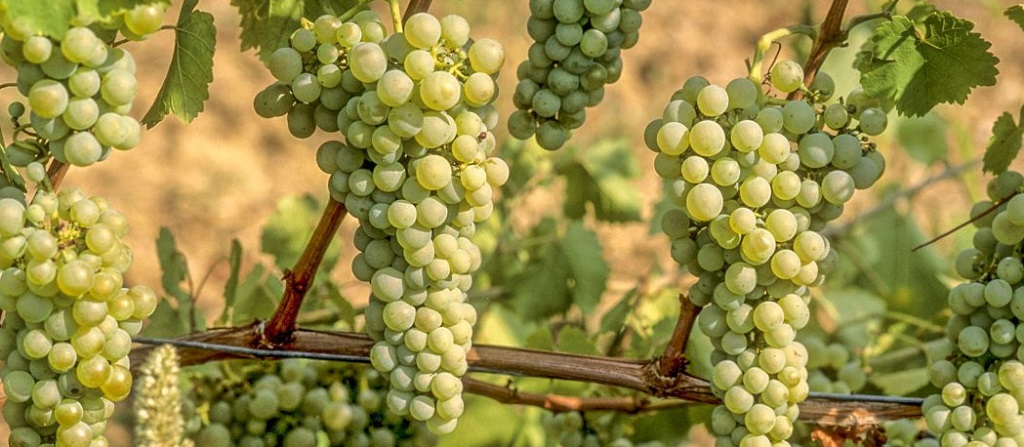
Dafni is a rare white grape native to Crete, valued for its distinctive herbal aromatics, fresh acidity, and historical connection to ancient Greek viticulture. Named after the Greek word for laurel (daphne), Dafni produces uniquely perfumed wines that evoke bay leaf, pine, and wild Mediterranean herbs.
Dafni is believed to be one of the oldest cultivated varieties on Crete, with roots that trace back to ancient times. The grape nearly disappeared in the twentieth century due to changing agricultural priorities and the decline of traditional viticulture. By the 1980s, it was almost extinct, found only in isolated mixed plantings in the island’s central and eastern zones. Its revival is largely credited to Lyrarakis Winery, which began recovering old vines in the Heraklion region and replanting it as a monovarietal focus. Today, Dafni remains rare but is increasingly recognised as a symbol of Cretan wine heritage and botanical complexity.
Dafni is a genetically distinct variety with no confirmed close relatives among other known Greek or Mediterranean grapes. It is grown almost exclusively on Crete, where it may also appear under names such as Dafne, though “Dafni” is the standard and widely accepted term. The grape has no international synonyms and is not related to any other laurel scented varieties. While not yet registered under a PDO, it is included in the Crete PGI and Crete regional wines, and appears in several quality focused IGP bottlings.
Dafni is a mid ripening variety that thrives in Crete’s dry, warm climate and limestone rich soils. It is drought tolerant and suited to bush vine training, particularly in poor, stony terrain. The grape is relatively low yielding and was traditionally grown in mixed field blends, making it difficult to manage for commercial volume. However, its thick skins and natural acidity help it withstand heat and oxidative pressure. Vineyard management focuses on maintaining balance and aromatic intensity, with careful canopy work to protect its delicate aromas from excessive sun exposure.
Dafni is typically vinified in stainless steel at low temperatures to preserve its distinctive aromatics and crisp structure. It is rarely oaked, though some producers experiment with lees ageing or amphora to enhance texture and savoury depth. Skin contact is uncommon, as the grape’s perfume is easily overwhelmed. Malolactic fermentation is usually avoided to maintain acidity and aromatic lift. Winemaking aims to highlight Dafni’s herbal signature, often drawing out its laurel leaf, mint, and citrus oil notes. It is almost always bottled as a varietal wine, offering a clear expression of place and grape.
Dafni produces dry white wines that are light to medium bodied, with crisp acidity, low to moderate alcohol, and a striking aromatic profile. Flavours typically include bay leaf, rosemary, lime zest, white pepper, pine resin, and lemon verbena. The wines are fresh and savoury, with a clean, herbal finish and a slightly saline character that reflects the island’s proximity to the sea. While not overtly fruity or floral, Dafni offers a rare and compelling sensory experience, making it a standout among Mediterranean whites. Most styles are made for youthful drinking, though some can evolve with a few years in bottle.
Dafni has become a focal point for Crete’s native grape renaissance. As producers look to rediscover forgotten varieties and offer authentic expressions of terroir, Dafni is gaining attention for its botanical character and clear identity. Organic and sustainable viticulture is helping revive old vineyards, while younger winemakers are experimenting with low intervention approaches. Although still made in small quantities, Dafni is increasingly positioned as a flagship white for Crete—unique, food friendly, and representative of the island’s dry, herb scented landscape. Its success has inspired broader interest in other rare Cretan varieties.
Lyrarakis Winery remains the benchmark producer for Dafni, with old vine bottlings from Psarades Vineyard that highlight the grape’s aromatic purity and balance. Douloufakis crafts a fresher, zesty interpretation with fine herbal lift. Diamantakis and Idaia Winery also explore varietal Dafni in modern styles that retain authenticity. These wines are ideal with Cretan cuisine, particularly dishes featuring wild greens, olive oil, and grilled seafood, and offer a compelling introduction to one of Greece’s most distinctive white grapes.