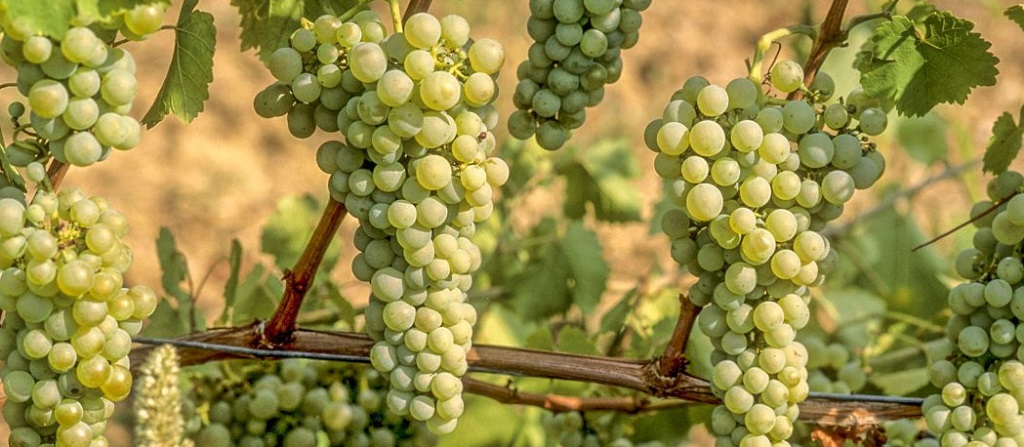
Encruzado is a high quality white grape native to the Dão region of central Portugal. It produces structured, aromatic wines with fresh acidity, mineral tension, and excellent ageing potential. Long valued for blending, it is now increasingly bottled as a varietal and considered one of Portugal’s finest white grapes.
Encruzado has been grown in Dão for generations, traditionally used in field blends and regional white wines. Its name may refer to the grape’s tendency to grow in tight bunches or to its historic entanglement with other varieties in mixed plantings. For much of the twentieth century, it was overshadowed by more productive or neutral white grapes. In the late twentieth century, however, growers began to recognise its capacity for complexity, balance, and evolution in bottle. With the rise of quality driven winemaking in Dão, Encruzado has emerged as a flagship white variety and a source of elegant, structured wines.
Encruzado is a genetically distinct Portuguese variety with no known direct parentage. It has no widely used synonyms, though in some older vineyards it may have been confused with other local white grapes due to its historic role in field blends. DNA research confirms it is unrelated to better known international varieties, reinforcing its identity as a unique regional grape. It is currently grown almost exclusively in Dão, where it is permitted and encouraged in both varietal and blended wines. Encruzado is now recognised as one of Portugal’s most promising white grapes for premium winemaking.
Encruzado performs best in granite based soils and at moderate elevations, where warm days and cool nights preserve acidity and aromatic complexity. The vine is moderately vigorous, with medium sized bunches and a balanced growth habit. It is moderately resistant to disease but can be sensitive to humidity during the growing season. It ripens mid season and typically achieves good sugar levels while retaining natural acidity. In the right sites, it produces fruit with concentration, floral lift, and mineral precision. It is well suited to both single varietal expression and complex blending.
Encruzado is highly versatile in the cellar and responds well to a range of winemaking styles. For fresher wines, it is fermented and aged in stainless steel to preserve its citrus, floral, and mineral character. For more complex styles, it is barrel fermented and aged on lees, often with bâtonnage to build texture and structure. It can undergo malolactic fermentation depending on the desired profile, though many producers choose to retain its natural freshness. Some winemakers blend Encruzado with local varieties such as Bical or Malvasia Fina, but monovarietal expressions are increasingly common, especially in the premium segment.
Encruzado produces dry white wines that are medium to full bodied, with fresh acidity, moderate alcohol, and a balance between fruit, florality, and minerality. Aromas often include lemon peel, green apple, white peach, honeysuckle, and wet stone. With oak ageing or bottle age, flavours of hazelnut, beeswax, and lanolin may develop. The wines are typically elegant and precise, with the structure to age five to ten years or more. The best examples show depth and clarity, offering an alternative to high quality Chardonnay or Chenin Blanc, but with a distinctly Portuguese character.
As interest in Portuguese native varieties grows, Encruzado is becoming increasingly important both within and beyond Dão. Producers are bottling it on its own more frequently and experimenting with single vineyard expressions. Some winemakers are using amphora and low intervention methods to highlight its mineral and textural qualities. Encruzado is also gaining recognition abroad, featuring in international tastings and drawing comparisons to classic white grapes from Burgundy and the Loire. Its ability to combine freshness with depth makes it well suited to both modern and traditional styles, and its appeal is steadily expanding.
Leading expressions of Encruzado come from producers such as Quinta dos Roques, which crafts ageworthy examples with a balance of fruit and oak. Quinta da Falorca offers structured wines with citrus and mineral intensity. Casa da Passarella and Alvaro Castro produce refined, floral Encruzado with vibrant acidity and subtle complexity. Caminhos Cruzados makes both fresh and barrel aged versions that show the grape’s versatility. These wines demonstrate Encruzado’s ability to capture the elegance and freshness of the Dão and its rising status as one of Portugal’s premier white varieties.