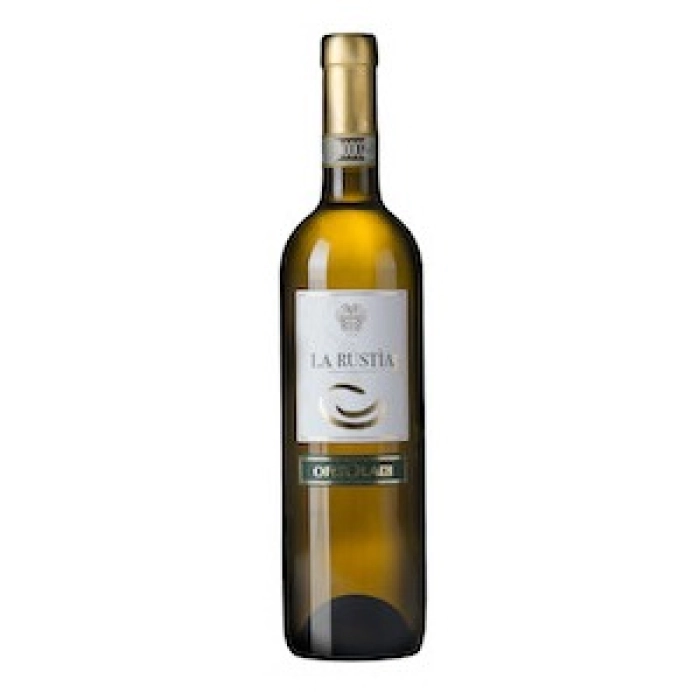
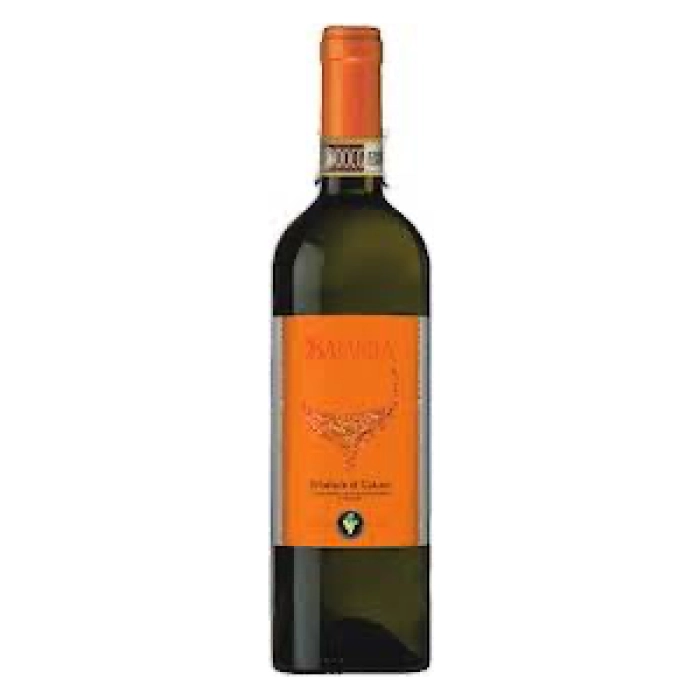
Erbaluce is a white grape variety native to northern Piedmont in Italy, best known for producing high acid, mineral driven wines that range from dry and zesty to sweet and complex. Long associated with the hills around Caluso, it has carved out a small but respected niche as a versatile and characterful grape with strong regional identity.
Erbaluce has been grown in Canavese, a hilly area north of Turin in Piedmont, for centuries. Historical references to the grape date back to at least the seventeenth century, though its cultivation likely predates that. It was traditionally prized for its ability to produce sweet passito wines, made from dried grapes, which were long considered the most prestigious expression of the variety. In the twentieth century, dry versions became more common, and in 1967, Erbaluce di Caluso became one of Italy’s first DOCs. The designation was elevated to DOCG status in 2010, reflecting improved viticulture and renewed commitment to quality. Today, Erbaluce continues to be a source of regional pride and is gaining quiet recognition beyond its home.
Erbaluce is genetically distinct and may be related to the Greco family of grapes, though no direct parentage has been established. It shares some characteristics with Albana and Fiano, but DNA analysis suggests it is native to Piedmont. The name likely derives from the Italian words for "dawn" (alba) and "light" (luce), referencing the grape's golden colour in the morning sun. It is also known locally as Greco Novarese, but Erbaluce remains the dominant name on labels. The variety is grown almost exclusively in Caluso and the surrounding Canavese hills, though small experimental plantings exist in other parts of northern Italy.
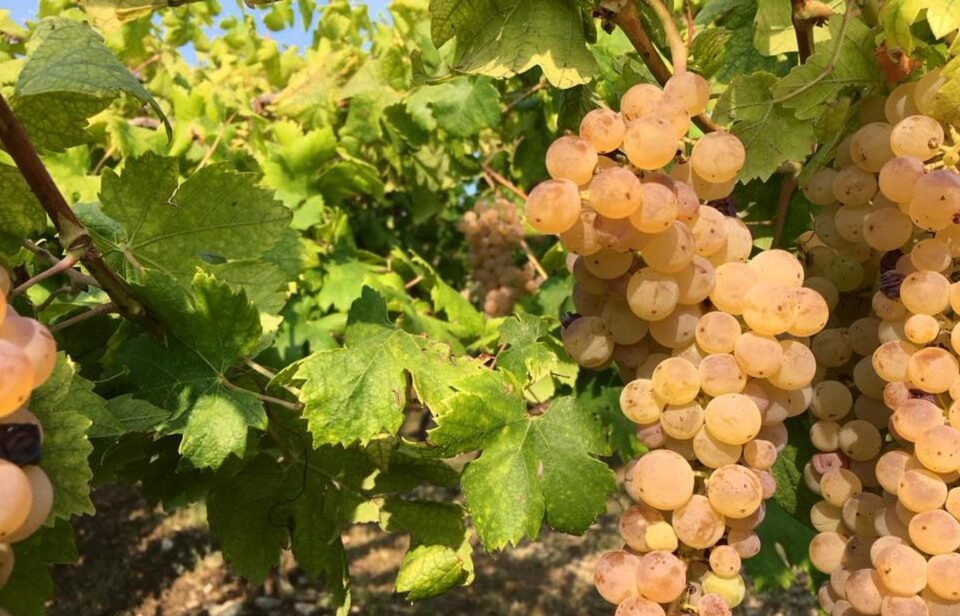
Erbaluce is a vigorous, mid to late ripening variety that thrives in the moraine and glacial soils of northern Piedmont. It performs best on south facing slopes at moderate elevations, where cool nights preserve acidity and help develop aromatic intensity. The grape is relatively hardy and resistant to disease, though careful canopy management is needed to avoid overcropping. It produces compact bunches with thick skinned, golden green berries, making it well suited to both fresh and dried wine styles. In favourable vintages, grapes destined for passito are harvested late and dried on racks or in ventilated rooms to concentrate sugars and flavours.
Erbaluce responds well to stainless steel fermentation and reductive handling in fresh dry styles, preserving its acidity and green fruit character. Lees ageing may be used to add body and texture, while a few producers experiment with old wood or amphora to enhance complexity. In passito production, grapes are dried for several months before being gently pressed and fermented slowly, often in barrel. The resulting wines are rich yet balanced, with residual sugar offset by piercing acidity. Sparkling Erbaluce di Caluso Spumante is also made in both charmat and traditional method styles, valued for its freshness and mineral clarity.
Erbaluce produces dry white wines that are light to medium bodied, high in acidity, and typically crisp and focused. Flavours include green apple, lime zest, alpine herbs, almond, and wet stone. Texture ranges from linear and saline to lightly creamy depending on vinification. Sweet passito versions are golden and concentrated, with notes of dried apricot, orange peel, honey, and saffron, balanced by acidity and often capable of long ageing. Sparkling versions are fresh, floral, and citrus driven, often with a fine mousse and clean mineral finish. Across styles, Erbaluce expresses purity, energy, and a distinctly alpine character.
Erbaluce is undergoing a quiet revival, with a small group of producers focused on low yields, organic farming, and terroir expression. Dry styles are becoming more refined, with better balance and ageing potential, while traditional passito wines continue to serve as the grape’s flagship expression. Interest in Erbaluce as a sparkling base is also growing, particularly for traditional method wines with crisp acidity and low alcohol. While still relatively unknown outside Italy, Erbaluce is gaining a following among sommeliers and wine collectors for its precision, freshness, and food pairing potential.
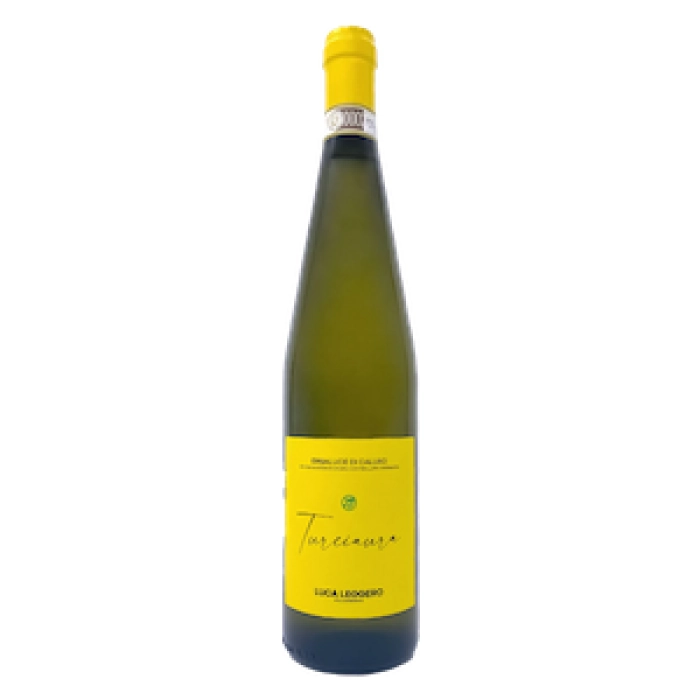
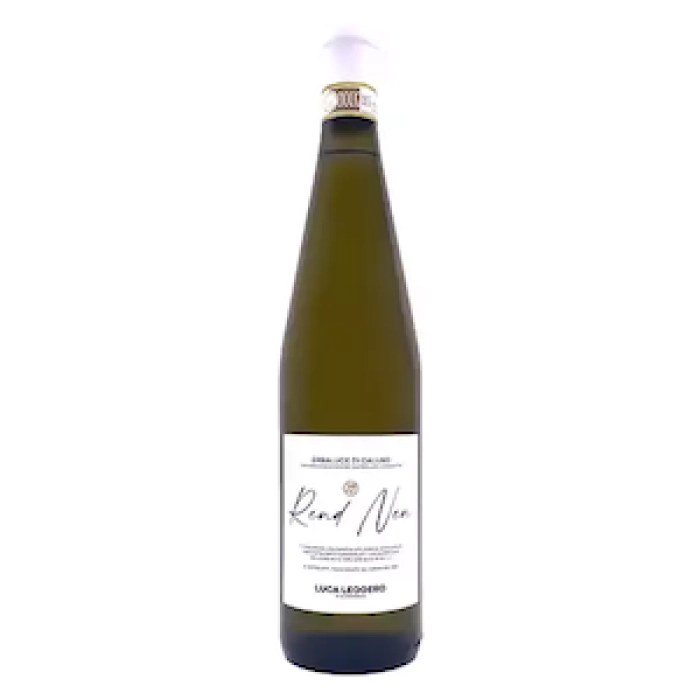
Luca Leggero is a standout producer for Erbaluce. Ferrando and Luigi Ferrando also produce benchmark dry and passito Erbaluce wines that show the grape’s structure and ageworthiness. Orsolani crafts precise, mineral driven examples with floral lift and great finesse, particularly in their traditional method sparkling wines. Cieck and Tassoni offer refined, zesty dry bottlings that reflect the cooler microclimates of Canavese. For classic Caluso Passito, Favaro makes a rich, honeyed wine with piercing acidity and long development. These producers capture Erbaluce’s versatility and the growing quality in this historic yet underappreciated corner of Piedmont.