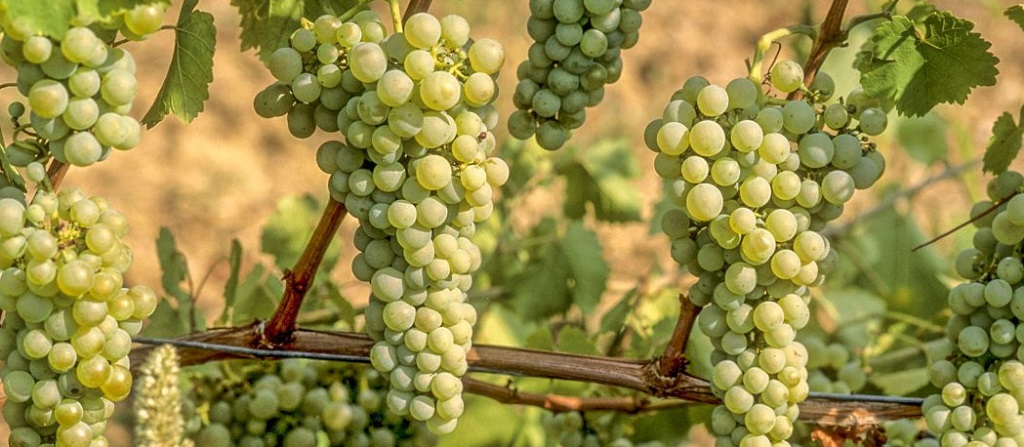
Fetească Neagră is a historic red grape native to Romania and Moldova, known for producing deeply coloured, velvety wines with spicy dark fruit and firm yet supple structure. It is widely regarded as Romania’s most important indigenous red variety, capable of both rustic charm and serious ageing potential when grown and vinified with care.
Fetească Neagră has been cultivated in the historical region of Moldavia, shared today between Romania and Moldova, for centuries. The name translates to “Black Maiden” in Romanian, and local legend often romanticises the grape as a symbol of nobility and mystery. Its documented cultivation dates back to at least the fifteenth century, and it likely evolved from spontaneous selection in traditional field blends. During the twentieth century, industrial viticulture and international varieties led to its decline, but recent decades have seen a strong revival, with producers focusing on clonal selection, terroir expression, and quality winemaking. Today, it is planted across many of Romania’s key wine regions and has become a national emblem.
Fetească Neagră is part of the Fetească family of grapes, which also includes Fetească Albă and Fetească Regală, though no direct parent-offspring relationship has been confirmed through DNA testing. It is genetically distinct from international varieties and appears to be a native offspring of ancient local vines. In Moldova, it is known under the same name and shares similar characteristics. Rare synonyms include Poama Fetei Neagră, but these are rarely used on labels. The grape is almost never planted outside of Romania and Moldova, although a few small experimental plots exist in neighbouring countries.
Fetească Neagră is a mid to late ripening variety that adapts well to a range of continental and moderate climates. It thrives in well drained soils, especially loam, limestone, and sand, and shows particular promise in hilly zones with good exposure. The vine is moderately vigorous and productive, though yields must be controlled to avoid dilution. Its medium sized, thick skinned berries offer good colour concentration and resistance to rot. It is moderately tolerant to drought and winter cold, making it well suited to Romania’s diverse terroirs. In warm vintages, it ripens fully without excessive sugar accumulation, retaining freshness and balance.
Fetească Neagră is typically vinified in stainless steel or concrete, with many producers incorporating oak ageing to build structure and aromatic depth. Maceration times vary according to desired style, with some opting for short, fruit forward fermentations and others pursuing extended skin contact for ageworthy wines. The grape responds well to malolactic fermentation and barrel ageing, especially in Romanian or French oak, which adds spice, toast, and polish. Its moderate tannins and natural acidity make it flexible in the cellar, capable of producing wines from soft and supple to robust and structured. Increasingly, natural and low intervention winemakers are exploring lighter, fresher expressions as well.
Fetească Neagră produces dry red wines that are medium to full bodied, with aromas of black cherry, plum, blackberry, dried herbs, clove, and licorice. The palate often features smooth tannins, balanced acidity, and a velvety texture, with a gently spicy or smoky finish. In more structured examples, earthy and leathery notes emerge with age, alongside hints of dark chocolate and game. Alcohol levels are moderate to high depending on vintage and site. The grape is also capable of producing semi dry and off dry styles with generous fruit and spice, particularly in Moldova. Sweet and fortified versions exist but are rare.
Fetească Neagră is enjoying a strong renaissance in Romania and Moldova, with increasing attention from producers, consumers, and wine critics. It is often positioned as Romania’s flagship red, capable of expressing both terroir and tradition. Winemakers are exploring single vineyard bottlings, old vine selections, and reserve cuvées that showcase the grape’s ageworthiness and complexity. Organic and biodynamic viticulture is growing in key areas such as Dealu Mare, Murfatlar, and Cotnari, where Fetească Neagră thrives. Its rising profile in international markets is helping reshape perceptions of Eastern European wine and spotlight Romania as a serious wine producing country.
Domeniile Davidescu, Cramele Recaș, and LacertA Winery produce modern, well balanced expressions with dark fruit and spice. SERVE and Domeniul Coroanei Segarcea offer more structured, cellar worthy styles with depth and elegance. Purcari in Moldova crafts rich, supple versions that highlight the grape’s velvet texture and aromatic charm. Petro Vaselo and Averesti Estates are exploring natural and amphora aged Fetească Neagră, demonstrating its adaptability to contemporary trends. These producers reflect the growing diversity and quality emerging from this historic variety.