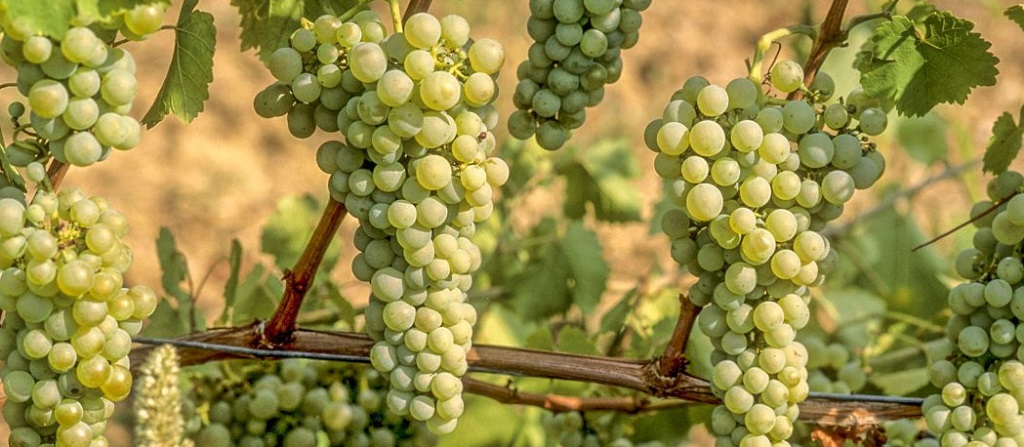
Fetească Regală is an aromatic white grape native to Romania and Moldova, prized for its bright acidity, floral aromatics, and versatility across a wide range of dry, off dry, and sparkling wine styles. It is the most widely planted native white grape in Romania and serves as both a commercial workhorse and a vehicle for terroir driven expression.
Fetească Regală was discovered in the early twentieth century in the Transylvanian Highlands, most likely in the area around Daneș and Târnava Mare, and is believed to be a natural crossing of Fetească Albă and Grasă de Cotnari. The name translates to “Royal Maiden,” a reference to its elegance and status as a refined alternative to other white grapes cultivated at the time. It quickly spread across Romania thanks to its adaptability and fresh, approachable character. By the mid twentieth century, it had become the country’s most important white variety, planted widely across Moldova, Muntenia, and Transylvania, as well as across the border in the Republic of Moldova.
DNA analysis supports the theory that Fetească Regală is a spontaneous cross between Fetească Albă, a long established native variety, and Grasă de Cotnari, a traditional grape used for sweet wines. The grape is genetically distinct from Fetească Neagră, although all three share a cultural lineage within Romanian viticulture. It is also cultivated in Hungary, where it may appear as Királyleányka, though some sources treat this as a distinct but closely related variety. In Moldova, it retains the same name and character. No significant synonyms are in use beyond regional adaptations.
Fetească Regală is a mid ripening, high yielding variety well suited to Romania’s continental climate. It performs best in hillsides with moderate elevation, where cool nights help preserve aromatic intensity and acidity. The vine is vigorous and adaptable, thriving in a variety of soils including clay, limestone, and sandy loam. It has good resistance to mildew and fungal disease, making it appealing for organic viticulture. However, overproduction can lead to dilute wines, so yield control is important for higher quality expressions. Its resilience and versatility have made it a cornerstone of Romanian white wine production.
Fetească Regală is typically vinified in stainless steel at low temperatures to preserve primary fruit and floral aromatics. It is often made as a fresh, dry or off dry wine for early consumption, though some producers explore extended lees ageing, partial skin contact, or ageing in acacia or oak barrels to add depth and texture. The grape also lends itself well to traditional and tank method sparkling wines, thanks to its crisp acidity and clean profile. Malolactic fermentation is usually avoided, except in rounder, fuller bodied interpretations. Sweet wines are rare but possible in late harvest years.
Fetească Regală produces white wines that are light to medium bodied, with bright acidity, moderate alcohol, and floral aromatics. Typical flavours include green apple, pear, lime, elderflower, white peach, and soft herbal notes such as tarragon or lemon balm. The palate is often crisp and refreshing, with a lightly mineral or chalky finish. Off dry versions may show hints of honeysuckle and ripe melon. Sparkling wines are floral and delicate, while still wines range from linear and fresh to round and textured depending on style. The best examples offer subtle complexity and regional identity.
Fetească Regală continues to be one of Romania’s most planted and commercially important white grapes, though its reputation is shifting from bulk production to more site driven, quality focused wines. Producers in Transylvania, Târnave, and Cotnari are leading the way with cooler climate, high elevation expressions. Organic and low intervention producers are experimenting with skin contact and natural fermentation to highlight the grape’s versatility and subtle phenolic character. It is increasingly being used for traditional method sparkling wines, and exports are helping introduce international drinkers to a fresher, more modern face of Romanian white wine.
Villa Vinea in Târnava Mare crafts elegant, mineral driven Fetească Regală with floral lift and precision. Liliac Winery and Jidvei produce clean, expressive versions with mountain freshness. Avincis in Drăgășani explores textural, food friendly styles that highlight the grape’s adaptability. Recas Winery and Cramele Cotnari offer both youthful, aromatic bottlings and sparkling expressions. These producers showcase Fetească Regală’s full range, from easy drinking everyday wines to more refined interpretations that speak to site and tradition.