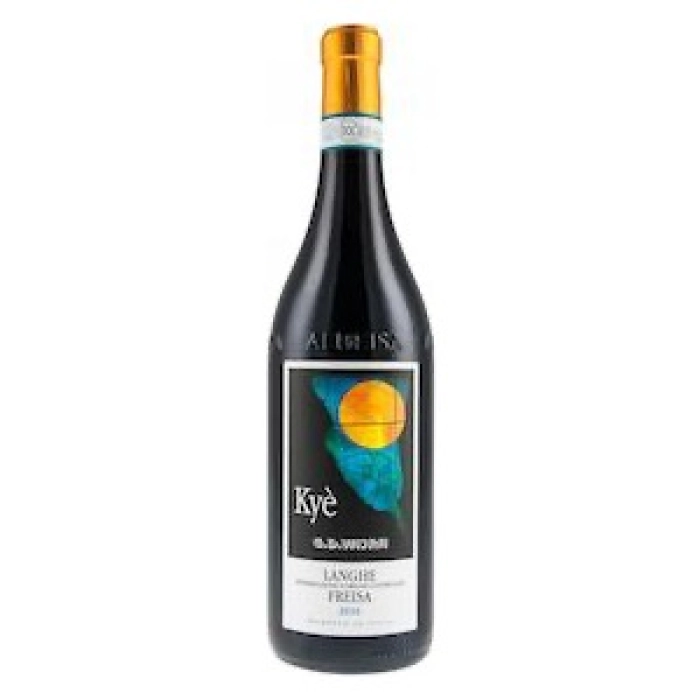
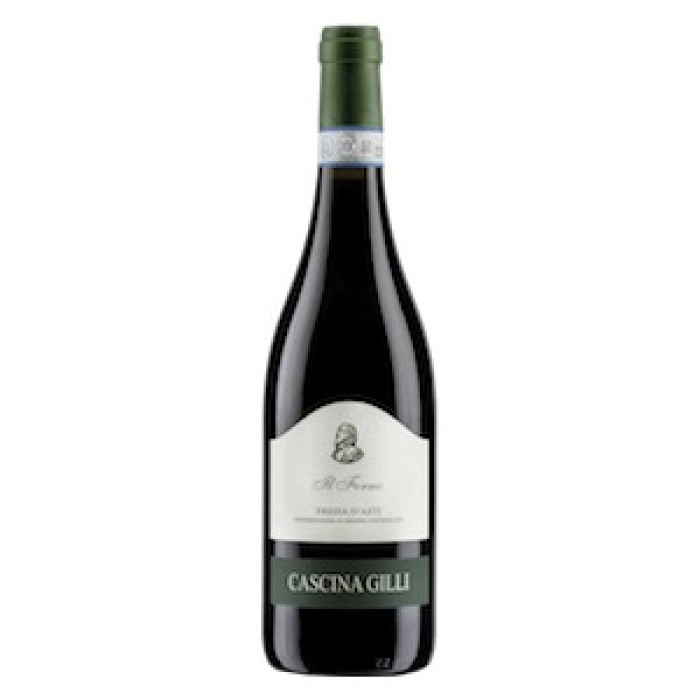
Freisa is a red grape variety native to Piedmont in northwestern Italy. Known for its lively acidity, tannic structure, and aromatic profile, it produces wines that range from lightly sparkling and rustic to serious, ageworthy reds. Though long overshadowed by Nebbiolo, Freisa shares a close genetic link and is being rediscovered for its traditional charm and modern versatility.
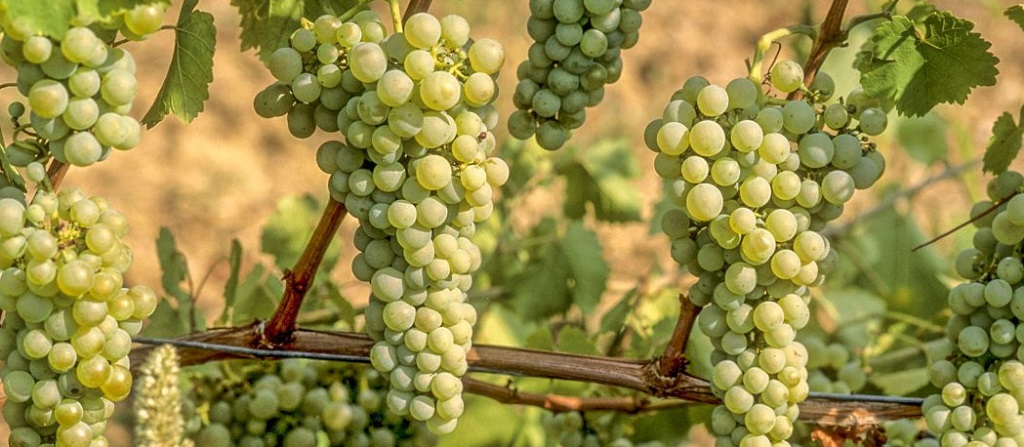
Freisa has been cultivated in Piedmont since at least the sixteenth century. Historical records describe it as a common variety in the hills around Turin, Asti, and Monferrato. For much of its history, Freisa was used to produce lightly sparkling or sweet red wines intended for early consumption. Its firm tannins and assertive acidity led to a reputation for being rustic or challenging, and it gradually fell out of favour as modern winemaking preferences shifted toward smoother, more international styles. However, a renewed interest in native varieties and traditional expressions has brought Freisa back into focus, particularly among smaller, quality driven producers.
Freisa is genetically related to Nebbiolo, with DNA analysis confirming a parent-offspring relationship. This helps explain the grape’s structure and aromatic complexity, though Freisa tends to ripen earlier and is more adaptable in the vineyard. It is known simply as Freisa in most contexts, though two distinct biotypes are often recognised: Freisa Piccola, which is more tannic and aromatic, and Freisa Grossa, which is considered less refined and often used for simpler wines. It is rarely grown outside of Piedmont, and there are no major synonyms in commercial use.
Freisa is a hardy and vigorous grape that performs well on calcareous and marl soils. It ripens in the mid to late season and is moderately productive. The variety is resistant to disease and adverse weather, making it a reliable option for traditional hillside vineyards. It naturally produces wines with high acidity and robust tannins, which can be tempered by careful canopy management and harvest timing. Freisa’s adaptability makes it suitable for both still and sparkling styles, and older bush vines often yield wines of greater intensity and finesse.
Freisa can be vinified in several styles depending on regional tradition and winemaker intent. In the past, it was commonly made into lightly sparkling (frizzante) or sweet wines through partial fermentation and arrested fermentation techniques. Today, more producers are opting for dry, still wines that highlight the grape’s structure and aromatic complexity. Maceration and fermentation are typically carried out in stainless steel or cement to preserve freshness, with oak ageing used for more serious expressions. Winemakers must manage the tannins carefully, particularly in Freisa Piccola, to avoid excessive bitterness. Bottle ageing helps round out the wine’s natural firmness.
Freisa produces red wines that are aromatic and structured, often with flavours of wild strawberry, sour cherry, rose, dried herbs, and earthy spice. Young wines can show marked bitterness and assertive acidity, especially in traditional frizzante or secco styles. When made in a dry, still format and aged in oak or bottle, the wines can gain texture, polish, and surprising depth. Alcohol levels are typically moderate, and acidity remains high, making Freisa wines well suited to food. The best examples offer a balance between fruit brightness, floral perfume, and a savoury, rustic edge.
Freisa has gained renewed attention from producers and critics seeking to revive overlooked indigenous grapes. A number of high quality estates are treating Freisa with greater seriousness, producing structured wines that showcase its kinship with Nebbiolo and its potential for ageing. At the same time, traditional lightly sparkling styles still have a place in the local culture, offering a link to Piedmont’s wine history. As drinkers explore beyond Barolo and Barbaresco, Freisa is increasingly seen as a grape that offers authenticity, versatility, and value.
Giuseppe Rinaldi helped elevate Freisa’s reputation with his traditional, structured bottlings that show the grape’s wild charm and ageworthiness. Vajra crafts a refined and expressive version from the Langhe, focusing on purity and aromatic lift. Brovia produces a concentrated Freisa with firm tannins and cellar potential, while Burlotto offers a lively and aromatic style that remains faithful to tradition. For a more rustic and sparkling interpretation, try Freisa di Chieri from producers like Balbiano or Cascina Gilli, who preserve the grape’s regional identity through lightly effervescent, refreshing wines.