Search
WritingArticlesBlogReportsSpiritsTastings
Wines Wine Lists Recently Scored This month's 90+ Last month's 90+ Advanced Search (coming soon)
Discover Wine Regions ResourcesHistoryVintage Guides
AboutUpdatesVinorandum Paul Caputo Sample Policy
Subscribe Join TestimonialsWhy register?
CommunitySponsored Contributors Wine People Forum
Travel City GuidesDiningTravel
Contact Contact me Write for Vinorandum Advertise Submit your Wines

Garnacha Tintorera

Garnacha Tintorera is a rare teinturier red grape variety known for its deeply pigmented juice, robust structure, and dark fruit profile. Cultivated mostly in southeastern Spain, it is prized for its intense colour, high tannin, and ability to thrive in hot dry climates. It is often used in blends but is increasingly appreciated for concentrated varietal wines.

Synonyms: Alicante Bouschet
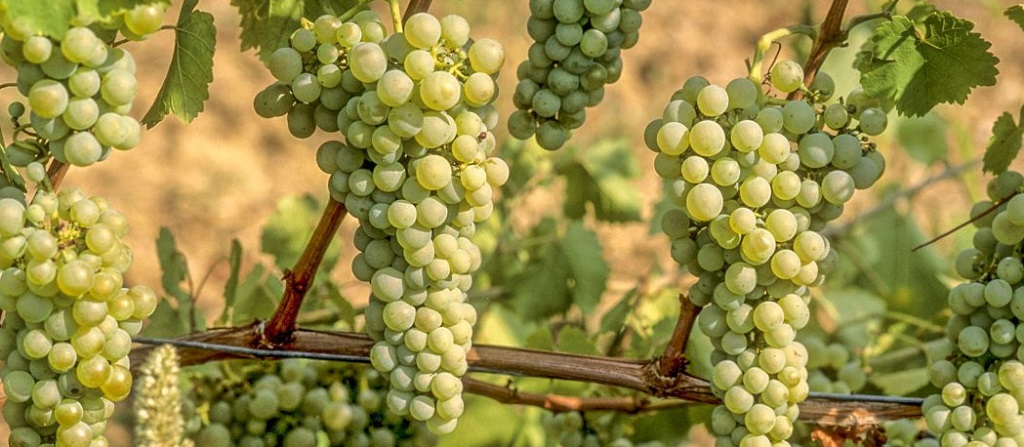
Garnacha Tintorera

Garnacha Tintorera first prospered in France in the nineteenth century as a cross between Petit Bouschet and Grenache. It was developed as part of a broader effort to produce grapes with high colour intensity for use in blends, especially after the phylloxera crisis. The variety was introduced into Spain shortly thereafter and found a natural home in the hot, arid regions of Almansa, Manchuela, and Valencia, where it became known as Garnacha Tintorera. In France, it retained the name Alicante Bouschet and continues to be grown in Languedoc. While once associated with bulk wine, the grape is now being reassessed for its potential in serious, site driven bottlings.

Garnacha Tintorera is genetically identical to Alicante Bouschet, the name more commonly used outside Spain. It is a teinturier variety, meaning that both its skins and pulp are red, unlike most red grapes that have clear juice. This trait makes it highly valued for boosting colour in blends. The name Garnacha Tintorera literally means “dyed Garnacha,” though it is only partially related to true Garnacha through its parentage. Other regional synonyms include Alicante, Alicante Henri Bouschet, and Negrón de Aldán, though Garnacha Tintorera and Alicante Bouschet are the most widely used names today.

Garnacha Tintorera is well adapted to hot continental and Mediterranean climates, thriving in dry, sun exposed sites with poor soils. It is a vigorous vine that needs careful canopy and yield management to avoid overproduction and imbalance. It ripens mid to late season and is drought tolerant, making it ideal for regions with low rainfall and high temperatures. Its thick skins provide resistance to disease and sunburn and contribute to its high tannin levels. The variety is commonly planted in bush vine form on dry farmed land and can produce high quality fruit when yields are kept in check.

Garnacha Tintorera is typically fermented in stainless steel or concrete with careful extraction to manage its high anthocyanin and tannin content. Extended maceration is used for structure in ageworthy wines, while gentler techniques are preferred for fresher styles. It is frequently aged in oak, often with a mix of French and American barrels to add complexity and tame tannins. Because of its natural colour intensity, it is widely used in blends to deepen the hue and add muscle. Increasingly, winemakers are exploring lower extraction and earlier picking to express a more balanced and aromatic side of the grape.

Garnacha Tintorera produces full bodied, deeply coloured red wines with dark fruit flavours, firm tannins, and moderate to high acidity. Typical aromas include black cherry, blackberry, plum, black olive, earth, and cocoa. Oak ageing can introduce notes of vanilla, toast, and spice. In its youth, the wines are often intense and concentrated, with a thick texture and a slightly rustic edge. With age, they can develop more savoury and leathery tones. While often used in blends for body and colour, monovarietal wines show powerful structure and bold personality, especially when grown on old vines and poor soils.

Garnacha Tintorera is experiencing renewed interest from Spanish producers looking to highlight old vine sites and shift away from industrial styles. In Almansa and Manchuela, winemakers are crafting more refined single varietal wines with lifted aromatics and polished tannins. The grape is also gaining traction in natural and low intervention circles due to its adaptability and strong identity. Outside Spain, Portugal uses Alicante Bouschet in the Alentejo for rich, ageworthy blends, while California, Chile, and Languedoc continue to explore its potential in both traditional and modern forms.

In Spain, Bodegas Atalaya in Almansa produces concentrated Garnacha Tintorera with deep fruit and polished structure under the Laya and Alaya labels. Bodegas Piqueras, also in Almansa, offers old vine expressions from organically farmed vineyards that show lots of richness. Venta La Vega makes fresher, high elevation versions with mineral tension and herbal lift. Dehesa El Carrascal and Rosalía de Castro are among the smaller producers working with Garnacha Tintorera in Manchuela, highlighting its potential for varietal purity and regional character.