Search
WritingArticlesBlogReportsSpiritsTastings
Wines Wine Lists Recently Scored This month's 90+ Last month's 90+ Advanced Search (coming soon)
Discover Wine Regions ResourcesHistoryVintage Guides
AboutUpdatesVinorandum Paul Caputo Sample Policy
Subscribe Join TestimonialsWhy register?
CommunitySponsored Contributors Wine People Forum
Travel City GuidesDiningTravel
Contact Contact me Write for Vinorandum Advertise Submit your Wines

Incrocio Manzoni

Incrocio Manzoni refers to a group of Italian hybrid grape varieties developed for disease resistance and wine quality. The most successful is Manzoni Bianco, which produces structured and aromatic white wines in northeastern Italy. These grapes remain relatively niche but are valued for their adaptability and character.
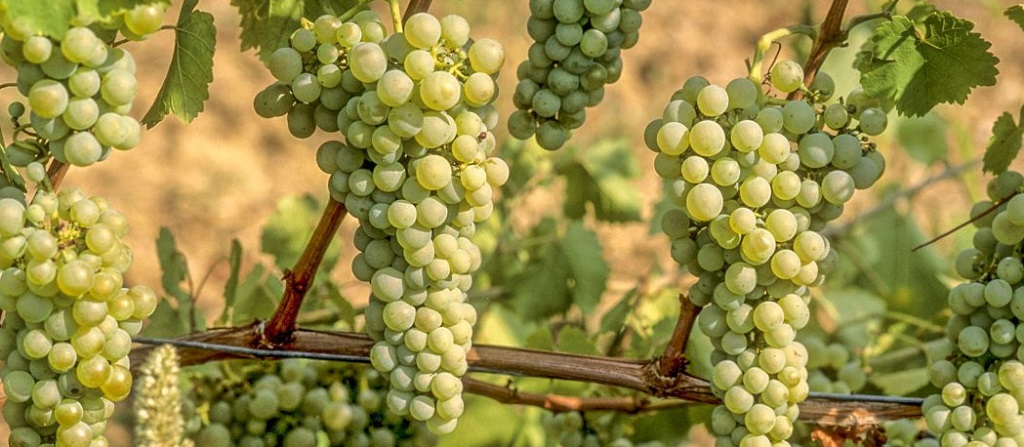

Incrocio Manzoni

Incrocio Manzoni grapes were created in the 1930s by Professor Luigi Manzoni at the School of Viticulture and Oenology in Conegliano, in the Veneto region of northern Italy. He aimed to develop new grape varieties that could resist disease and deliver high quality in the glass. By crossing well known European grapes, he produced more than fifty experimental varieties. A few of these crosses proved successful and are now cultivated under the collective name Incrocio Manzoni. The most important of these is Manzoni Bianco, which has gained recognition in both Veneto and Trentino Alto Adige.

The best known example is Manzoni Bianco, also labelled as Incrocio Manzoni 6013, a crossing of Riesling and Pinot Bianco. Other examples include Manzoni Rosso, known as Incrocio Manzoni 215, a cross of Glera and Cabernet Sauvignon. Each grape was given a number by the school to record its crossing experiment. Most of these remain experimental or obscure.

Manzoni Bianco is appreciated for its strong disease resistance and ability to thrive in a range of soils and climates. It ripens mid season and typically produces moderate yields. It is suited to both cooler alpine areas and warmer lowland vineyards. The grape’s natural acidity and balance make it an attractive option for sustainable and organic farming. It is less susceptible to common fungal diseases than many traditional varieties.

Manzoni Bianco gives structured white wines with a medium to full body. Aromas often include white peach, pear, and subtle floral notes. There is sometimes a gentle mineral character and a faint echo of Riesling’s aromatic lift. Wines are usually dry and still, though some producers experiment with oak ageing or blending. The best examples show freshness, balance, and a quiet complexity.

Interest in Manzoni Bianco has grown among producers looking for resilient and characterful grapes in the face of climate change. Its performance in organic vineyards is helping it move from curiosity to serious varietal. In Veneto and Trentino there are now dedicated bottlings that highlight its potential. While the broader Incrocio Manzoni family remains little known, Manzoni Bianco is emerging as a distinctive and useful variety.