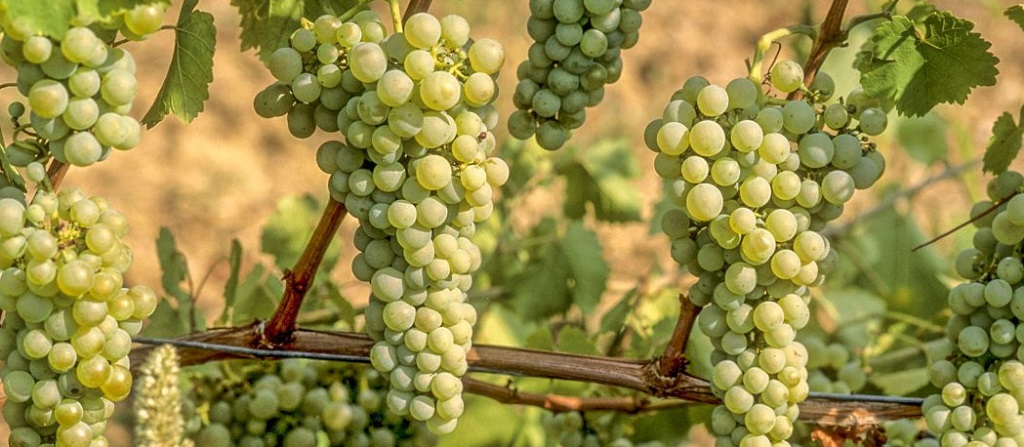
Liatiko is an ancient red grape variety native to the island of Crete. It is known for its pale colour, fragrant red fruit, and ability to produce both dry and sweet wines. While it is most often associated with the historic sweet wines of the island, modern producers are exploring its potential for fresh, elegant dry reds with moderate tannins and distinctive flavour.
Liatiko has been cultivated on Crete for centuries and is considered one of the island’s oldest and most historically significant grape varieties. It played a central role in the production of Malvasia di Candia, a famous sweet wine that was exported across Europe during the Venetian occupation. Although the name Liatiko may suggest a link to July, the month in which it is said to ripen, this is likely misleading, as it typically ripens later in the season. Over time, Liatiko fell out of favour due to its pale colour and light body, but recent interest in indigenous varieties has brought it back into focus.
Liatiko is genetically distinct and has no direct relation to Italian varieties such as Aleatico, despite historical speculation. DNA testing has confirmed it as a separate indigenous Greek grape. The name is consistently spelled Liatiko in modern Greek wine literature, though older references may use Liatico or Liatis. It is almost exclusively grown on Crete, especially in the central and eastern parts of the island, including regions like Dafnes and Sitia.
Liatiko is a vigorous vine that requires careful canopy and yield management. It performs well in Crete’s warm, dry conditions and is relatively drought resistant. The grape tends to ripen in mid to late season and is sensitive to disease, particularly in humid conditions. It produces medium sized berries with thin skins and high sugar accumulation, making it suitable for both dry and sweet wines. Despite the warm climate, Liatiko can retain moderate acidity when yields are controlled and picking is timed carefully.
In the cellar, Liatiko requires a gentle hand. Its pale colour and light tannin structure can lead to delicate wines if extraction is kept minimal. For dry wines, fermentation in stainless steel with moderate maceration helps preserve freshness and red fruit character. Some producers choose to age Liatiko in neutral oak or amphora to add texture without overpowering the grape’s aromatic profile. For sweet wines, grapes are often sun dried or late harvested to concentrate sugars, then fermented slowly and aged oxidatively to build complexity. Both dry and sweet styles benefit from careful handling to maintain balance.
Liatiko produces dry red wines with light colour, soft tannins, and lifted aromas of dried strawberry, cherry, cinnamon, and Mediterranean herbs. The wines are medium bodied and often show a slightly oxidative character even in youth. When made in a sweet style, often labelled as Malvasia or Liatiko Vin Doux, the wines are rich and complex, with notes of caramelised fruit, dried fig, and spice. Despite their gentle structure, both styles can age gracefully and develop savoury depth over time.
Liatiko is part of a broader movement in Crete to recover and elevate native grape varieties. Young winemakers and established estates are beginning to produce single varietal Liatiko wines that showcase its elegant structure and aromatic complexity. Dry styles are gaining traction with sommeliers and wine bars looking for lighter reds with freshness and authenticity. Sweet wines remain a niche but important expression of the island’s heritage. As Crete continues to define its identity in the modern wine world, Liatiko is emerging as a signature red grape.
Look for dry expressions from producers such as Lyrarakis, who crafts a fragrant and balanced Liatiko from higher elevation vineyards in central Crete. Domaine Economou in Ziros produces a more mature, oxidative style with long ageing potential and deep complexity. Douloufakis offers a polished, approachable version with red berry fruit and subtle spice. For sweet wines, the historic Malvasia bottlings from Monemvasia Winery and modern interpretations from Alexakis highlight the grape’s ability to deliver richness without losing lift. These wines offer a window into both the ancient and evolving traditions of Cretan winemaking.