Magliocco is a dark skinned red grape variety native to Calabria in southern Italy. Often confused with other local grapes, it is now recognised for its ability to produce deeply coloured, structured wines with flavours of black fruit, spice, and earth. As interest grows in southern Italian viticulture, Magliocco is being rediscovered for its regional identity and ageing potential.
Magliocco has been cultivated in Calabria for centuries, though its precise origins remain unclear. It was historically used in rustic blends or consumed locally, with little attention given to clonal identity or vineyard classification. The name Magliocco has long referred to a group of genetically distinct but closely related varieties, which has caused considerable confusion in vineyard registries and wine labelling. Over time, it became associated with robust, earthy wines made in the hills of northern and central Calabria. In recent decades, ampelographic research has helped clarify its identity, leading to a revival of interest in single varietal expressions.
DNA profiling has revealed that Magliocco is not a single grape but a family of closely related varieties, the most prominent of which is Magliocco Canino, also known as Magliocco Dolce in some areas. These are now considered separate from Gaglioppo, another Calabrian grape with which Magliocco was often confused. The name Magliocco likely derives from the Greek word for dark, a reference to its intense skin colour. Other synonyms include Arvino, Greco Nero, and Lacrima di Cosenza, though these may refer to distinct but related biotypes. The term “Magliocco” continues to appear on labels, but greater precision is emerging among quality minded producers.
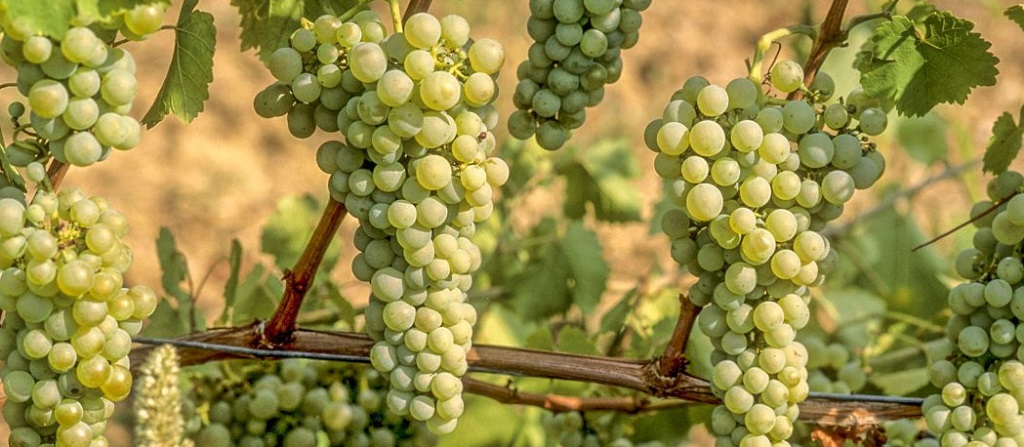
Magliocco is a late ripening variety that thrives in Calabria’s warm, dry climate. It is vigorous and drought resistant, suited to hillside sites with good sun exposure and poor soils. The vine produces small, thick skinned berries with high colour and tannin. It is relatively low yielding but can deliver concentrated fruit when properly managed. The grape is susceptible to botrytis if harvest is delayed into wet autumn conditions. Old vines planted at altitude tend to produce the most balanced and ageworthy fruit. Its ability to handle heat and water stress makes it well adapted to southern Italian viticulture.
Magliocco requires careful tannin management in the cellar. Traditional methods include long maceration and ageing in large neutral casks, though modern approaches favour shorter fermentation times and use of French oak barriques to soften the wine and refine structure. The grape responds well to oak ageing and benefits from time in bottle to integrate its firm tannins and deep fruit character. Some producers use wild fermentation and minimal sulphur to highlight the grape’s earthy and savoury profile. Blending is still common in rustic wines, but the most ambitious bottlings are now single varietal and focused on site expression.
Magliocco produces full bodied red wines with deep colour, firm tannins, and flavours of black cherry, plum, black pepper, leather, and dried herbs. Young wines can be tight and brooding, but with age they develop earthy complexity and a more harmonious texture. The structure is often muscular, though not overly alcoholic, with balanced acidity and a long finish. While most wines are dry, some traditional sweet or semi sweet styles exist, often from late harvested or partially dried grapes. Across styles, the defining characteristics are depth, intensity, and a rugged Mediterranean personality.
Magliocco is at the centre of Calabria’s rediscovery of its indigenous grape heritage. As producers embrace lower yields, better site selection, and more careful vinification, Magliocco is being repositioned as a serious grape with regional typicity and cellar potential. DNA clarification has helped separate it from Gaglioppo and other local varieties, giving it a clearer identity in the market. Though still under the radar internationally, Magliocco is gaining recognition among sommeliers and importers looking for structured, characterful southern Italian reds. It is increasingly seen as Calabria’s answer to the noble reds of neighbouring Campania and Basilicata.
Sergio Arcuri makes elegant and expressive Magliocco based wines from old bush vines in Cirò, showing bright red fruit and stony minerality. Cantine Viola in Saracena makes a good example from high elevation vineyards, balancing structure with freshness and aromatic complexity. Terre Nobili and Tenuta del Conte offer more concentrated styles with dark fruit and spicy depth. For a refined and cellar worthy expression, look to L’Acino’s “Chora,” a pure Magliocco wine that combines traditional methods with natural winemaking. These wines reflect the emerging identity of Magliocco as one of Calabria’s most compelling red grapes.