Search
WritingArticlesBlogReportsSpiritsTastings
Wines Wine Lists Recently Scored This month's 90+ Last month's 90+ Advanced Search (coming soon)
Discover Wine Regions ResourcesHistoryVintage Guides
AboutUpdatesVinorandum Paul Caputo Sample Policy
Subscribe Join TestimonialsWhy register?
CommunitySponsored Contributors Wine People Forum
Travel City GuidesDiningTravel
Contact Contact me Write for Vinorandum Advertise Submit your Wines

Malagousia

Malagousia is an aromatic white grape variety native to Greece, celebrated for its expressive floral character, ripe stone fruit flavours, and ability to produce full bodied yet fresh white wines. Once nearly extinct, it has been revived in recent decades and is now considered one of Greece’s most distinctive and versatile white grapes.
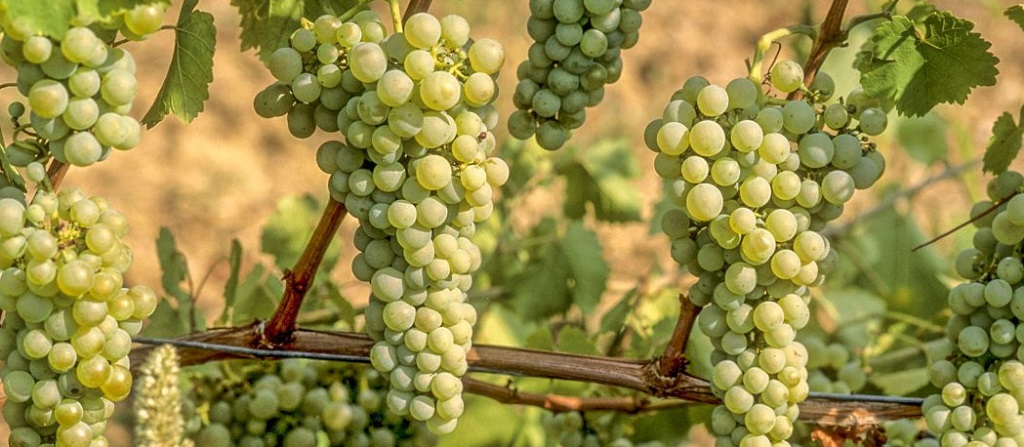

Malagousia

Malagousia was traditionally grown in central and western Greece but fell into obscurity during much of the twentieth century. It was rediscovered in the 1970s by Professor Vassilis Logothetis, who introduced it to his student Evangelos Gerovassiliou. Recognising its quality, Gerovassiliou began cultivating the grape at Porto Carras in Halkidiki and later at his own estate. Their efforts helped rescue Malagousia from extinction and reintroduce it to the Greek wine landscape. Since then, it has become a symbol of Greece’s viticultural revival and a flagship aromatic variety for modern producers.

DNA analysis confirms Malagousia as a genetically distinct native Greek variety. It is not related to Malvasia, despite the similarity in name. Some older documents refer to it as Malagouzia or Malaouzia, but the modern and standard spelling is Malagousia. It is now cultivated across many parts of Greece, including Macedonia, Central Greece, the Peloponnese, and several islands. Its resurgence has been driven by both small boutique wineries and larger estates seeking aromatic whites with local identity.

Malagousia is moderately vigorous and performs well in a range of soils and microclimates. It is somewhat sensitive to disease and requires careful canopy management to avoid over shading and maintain aromatic intensity. The grape ripens mid to late season and is capable of accumulating high sugar levels while retaining moderate acidity. When yields are kept low and harvest timing is precise, it produces wines of considerable balance and depth. It thrives in cooler sites and at elevation, where acidity is preserved and aromatic complexity is enhanced.

Malagousia can be vinified in a variety of ways depending on stylistic goals. Stainless steel fermentation at low temperatures preserves the grape’s floral and fruity aromatics. Skin contact or partial maceration is sometimes used to intensify texture and broaden the mid palate. Some producers experiment with barrel fermentation or ageing on lees to add complexity and weight. It can also be crafted into off dry or lightly aromatic styles that highlight its Muscat like perfume. Overall, it is a flexible grape that rewards precision and restraint in the cellar.

Malagousia produces dry white wines that are full bodied yet fresh, with pronounced aromas of peach, apricot, orange blossom, jasmine, and citrus peel. On the palate, the wines often show ripe fruit, creamy texture, moderate acidity, and a slightly herbal or spicy finish. Oak aged versions can display notes of toast, vanilla, and honey, while unoaked styles are bright and floral. Some wines may carry a touch of residual sugar, especially in warmer vintages or more commercial expressions. The best examples offer both aromatic intensity and structural depth.

Malagousia has become one of Greece’s most celebrated white varieties in the twenty first century. Its success has encouraged plantings throughout the country and sparked stylistic experimentation. Producers continue to explore its terroir sensitivity and its suitability for organic or low intervention farming. While it remains less known internationally than Assyrtiko, it has found a loyal following among sommeliers and consumers seeking expressive Mediterranean whites with personality and charm. Its versatility across regions and winemaking styles ensures it will remain a cornerstone of modern Greek white wine production.

Gerovassiliou remains the reference point for Malagousia, producing a polished and expressive version that balances floral lift with roundness and subtle spice. Domaine Porto Carras offers a more fruit forward style that shows the grape’s generosity and Mediterranean warmth. Alpha Estate in northern Greece crafts a restrained and elegant Malagousia with fine acidity and citrus detail. Other notable producers include Ktima Biblia Chora and Ktima Ligas, the latter of which takes a more natural, textural approach. These wines demonstrate the range and growing sophistication of Malagousia in the Greek wine landscape.