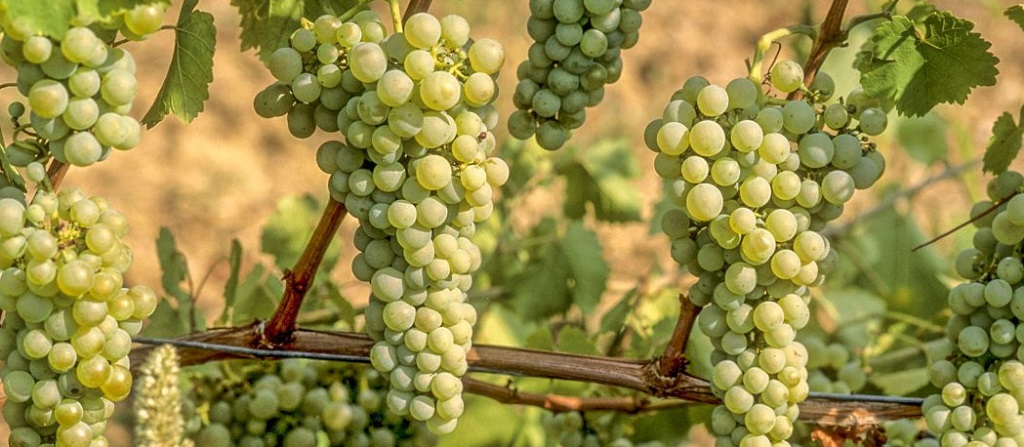
Mandilaria is a deeply coloured red grape variety native to the Greek islands and coastal regions, particularly the Aegean. Known for its high tannin content and low alcohol, it is often used in blends to provide structure and pigment. While traditionally rustic, Mandilaria is increasingly being explored for its potential in both dry and sweet styles, especially when grown at lower yields and carefully managed in the cellar.
Mandilaria has a long history across the southern Aegean, with strong associations to the islands of Rhodes, Crete, Santorini, and Paros. For centuries, it was cultivated as a blending grape, valued for its colour and phenolic strength rather than finesse or aromatic complexity. In traditional winemaking, it was often vinified with white grapes or used in the production of sweet, sun dried wines. Though it once formed part of everyday rustic reds, it suffered from a reputation for hardness and lack of refinement. In recent decades, a handful of producers have begun to isolate old vines and reduce yields in an effort to craft more balanced, expressive wines.
Mandilaria is a genetically distinct Greek red variety with no close relation to international grapes. It is sometimes spelled Mandilari or Mantilaria depending on regional dialects, but Mandilaria is the standard form in modern Greek wine literature. It is widely planted across the islands of the southern Aegean, particularly in Rhodes, Crete, and Paros. In Santorini, it is often cofermented with white grapes such as Aidani or Athiri to create lighter, more approachable reds or rosés. While almost always Greek in origin and expression, small experimental plantings exist outside the country.
Mandilaria is late ripening, drought tolerant, and naturally high in tannins and colour. It performs well in hot, dry climates and is resistant to disease and heat stress, making it well suited to the arid islands of the Aegean. The vine is vigorous and productive, often requiring strict yield control to achieve balance and flavour concentration. In cooler or higher elevation sites, acidity can be retained more effectively, though the grape’s naturally low sugar accumulation often results in wines with moderate alcohol. The key to quality is careful site selection, yield management, and precise harvest timing to avoid underripe tannins.
Mandilaria’s firm structure demands thoughtful vinification. For dry reds, winemakers often use extended maceration and ageing in oak to soften the grape’s powerful tannins. Blending with softer, more aromatic grapes such as Kotsifali or Mavrotragano is common, especially in Crete and the Cyclades. In the past, it was frequently cofermented with white grapes to moderate its grip and bring freshness. For sweet wines, particularly in traditional sun dried styles, its phenolic depth and colour retention make it a strong candidate. Natural and low intervention winemakers are also beginning to explore its potential in rustic, tannic expressions made with minimal sulphur.
Mandilaria produces full bodied red wines with deep colour, high tannins, and moderate alcohol. Flavours often include black cherry, plum skin, dried fig, black tea, and earthy spice. Young wines can be austere, with hard tannins and muted fruit unless properly ripened and handled. When aged in oak or bottle, the tannins can integrate and give way to a more complex, savoury character. The grape also features in rosé wines with structure and a spicy edge, as well as in traditional sweet wines with flavours of dried fruit, leather, and wild herbs. Mandilaria wines are typically bold and intense, demanding food or time to reveal their full character.
As Greek winemakers continue to revalue native grapes, Mandilaria is being explored for more serious single varietal expressions. Old vines and cooler sites are being sought out to tame its structure and draw out greater aromatic complexity. In Crete and Rhodes, producers are refining blends with Kotsifali and other local varieties to add elegance and drinkability. Natural and artisanal winemakers are also embracing Mandilaria’s rustic power as a vehicle for site expression and longevity. While still largely used as a blending grape, Mandilaria’s potential as a standalone red is increasingly recognised.
On Crete, producers such as Lyrarakis and Douloufakis use Mandilaria in blends with Kotsifali, yielding wines that balance tannin with fruit and spice. Hatzidakis and Argyros on Santorini have experimented with structured, volcanic expressions that reflect both power and minerality. On Rhodes, Cair produces more traditional styles, including semi sweet reds and sun dried dessert wines. Moraitis Winery on Paros offers a compelling single varietal Mandilaria from older vines, with dark fruit and smoky depth. These examples show that with the right conditions and care, Mandilaria can move beyond its rustic past and offer serious, expressive wines.