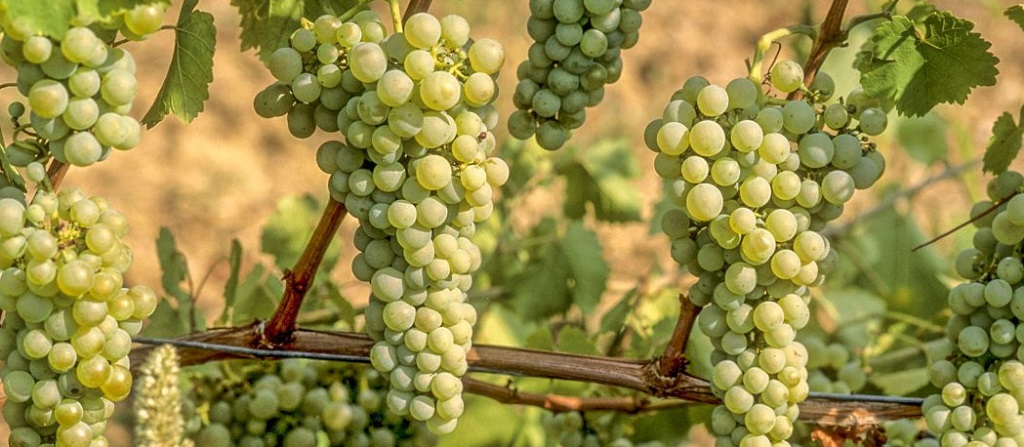
Monica is a red grape variety grown almost exclusively in Sardinia, where it produces soft, fruity wines with low tannin, moderate acidity, and a gentle, approachable style. Once widespread across the island, Monica is now primarily associated with everyday Sardinian reds and plays an important role in the region’s traditional wine culture.
Monica was likely introduced to Sardinia by Spanish monks during the medieval period, possibly during the time of Aragonese rule. Its name is thought to derive from “monaci” (monks), referring to the religious orders that cultivated it. By the nineteenth century, Monica was one of the most planted grapes in Sardinia, appreciated for its productivity and ability to make palatable, easy drinking reds. Over the twentieth century, plantings declined due to changing tastes and competition from more structured varieties such as Cannonau. Today, Monica continues to hold cultural significance and is most commonly seen under the Monica di Sardegna DOC or Monica di Cagliari DOC, especially in the central and southern parts of the island.
Despite its Spanish origin, DNA analysis has not confirmed a direct relationship between Monica and any major Iberian varieties. It remains genetically distinct and is treated as a native variety in Sardinia. There are no widely used synonyms, though some historical texts link it loosely to Moristel or Monastrell, without clear evidence. The grape is almost never found outside of Sardinia and rarely bottled outside of DOC classifications. It is commonly blended with Bovale, Cannonau, or Carignano to add fruit and soften structure.
Monica is a relatively high yielding, early to mid ripening variety that thrives in the warm, dry conditions of southern and central Sardinia. It is well adapted to sandy and clay limestone soils and performs reliably even in drought prone areas. The vine is vigorous and resilient, though careful canopy management is important to avoid shading and ensure optimal ripeness. Monica is prized for its consistent production and resistance to disease. It requires minimal intervention in the vineyard, making it suitable for traditional and organic viticulture. However, its tendency toward high yields can lead to dilute wines if not carefully managed.
Monica is typically vinified in stainless steel or cement tanks to preserve freshness and soft red fruit character. Maceration times are short to moderate, as the grape has low phenolic content and limited tannic structure. It is rarely aged in oak, though some producers experiment with neutral barrels to introduce gentle oxidative complexity. Monica is most often used to produce early drinking wines, though a few structured examples exist with more depth and mid term ageing potential. In the Cagliari DOC, fortified versions of Monica were once popular, but these styles are now rare.
Monica produces dry red wines that are light to medium bodied, with soft tannins, moderate acidity, and low to moderate alcohol. Flavours include red cherry, strawberry, dried herbs, subtle spice, and sometimes a faint balsamic or leathery note. The wines are typically round and easy going, with a gentle finish and modest structure. In higher elevation or low yield sites, Monica can show more savoury depth and minerality. While most wines are designed for youthful drinking, some traditional expressions offer earthy, rustic charm with short term cellaring.
Monica has remained largely resistant to modern fashion, holding its place in Sardinian wine culture as a reliable grape for simple, honest reds. A handful of producers are now working to elevate its reputation by focusing on old vines, single vineyard bottlings, and more restrained viticulture. While it is unlikely to become a flagship variety, Monica’s drinkability, moderate alcohol, and food friendly profile are increasingly appreciated in a market that values authenticity and regional identity. Natural and organic winemakers are also taking interest in Monica for its soft structure and approachability.
Pala and Argiolas explore both traditional and modern interpretations, balancing fruit with restraint. Cantine Sardus Pater crafts Monica based blends that showcase the grape’s softness and regional role. Cantina della Vernaccia and Cantina di Dolianova produce classic Monica di Sardegna DOC wines with freshness and easy drinking charm. Audarya offers a refined version with a touch of structure and aromatic lift.