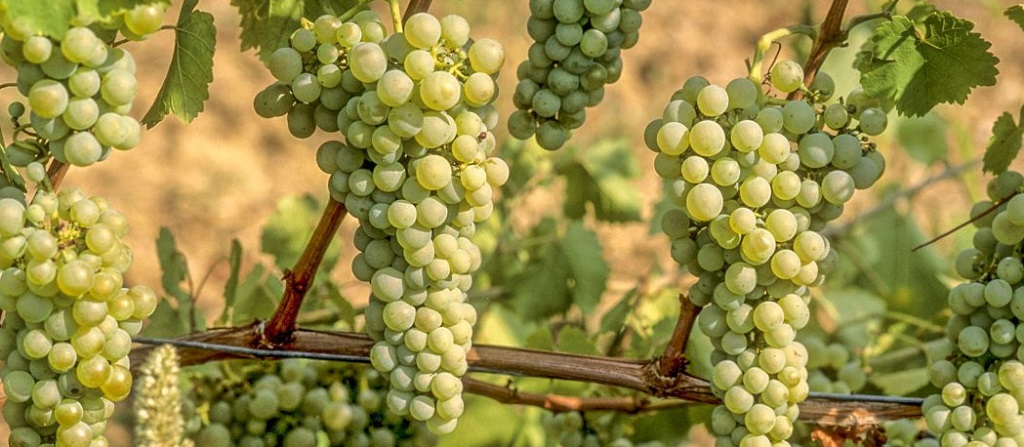
Moschofilero is a pale skinned, aromatic grape native to the Peloponnese region of Greece. Best known for producing lively, floral white wines with zesty acidity and a touch of spice, it is widely grown in the high altitude vineyards of Mantinia. It is valued for its freshness, perfume, and versatility across both still and sparkling wine styles.
Moschofilero is believed to have been cultivated for centuries in Arcadia, in the central Peloponnese, where it is best expressed in the appellation of Mantinia. Its name combines “moscho,” meaning musky or perfumed, with “filero,” a local descriptor possibly derived from “fileroi” meaning friendly. Although it belongs to the larger Filéri family of grapes found in Greece, Moschofilero has become the dominant and most commercially successful member. Its rise to national prominence began in the late twentieth century, as producers began to focus on cooler sites and modern winemaking to bring out its aromatic potential.
Moschofilero is part of a complex family of Filéri grapes, which includes several colour variants such as Mavrofilero (dark skinned) and Asprofilero (white skinned). DNA profiling has confirmed that Moschofilero is genetically distinct from Muscat, despite similarities in aroma. The grape is typically light grey or pink skinned, though it is almost always used to produce white wines. It is consistently referred to as Moschofilero across Greek and international wine literature. It is primarily grown in Mantinia but can be found in other parts of the Peloponnese and central Greece.
Moschofilero performs best in high altitude vineyards where cool nights preserve acidity and slow ripening allows for aromatic development. It is moderately vigorous and prone to uneven ripening if not carefully managed. The grape is relatively late ripening and benefits from dry harvest conditions to avoid rot. Its thick skin helps protect it in cooler, wind exposed areas. In Mantinia, vineyards are typically located between 600 and 800 metres above sea level, where the grape can achieve optimal balance between flavour and structure. While not particularly disease resistant, it responds well to careful vineyard work.
Most Moschofilero is vinified in stainless steel to preserve its aromatic freshness. Cool fermentation helps enhance floral and citrus notes. Some producers experiment with brief skin contact to extract texture and enhance complexity, particularly in orange or natural wine styles. Sparkling Moschofilero is gaining popularity and is typically made using the traditional or tank method, resulting in crisp, floral bubbles with lively acidity. While the grape is rarely aged in oak, a small number of producers have explored barrel ageing to add body and depth. Overall, the best results come from minimal intervention and a focus on precision.
Moschofilero produces dry white wines with light to medium body, high acidity, and pronounced aromatics. Typical flavours include rose petal, lemon zest, grapefruit, green apple, and white pepper. The palate is usually crisp and refreshing, with moderate alcohol and a floral lift. Sparkling versions tend to emphasise the grape’s aromatic intensity and fresh acidity. In some cases, off dry styles are made to highlight the fruit and perfume. Still wines are generally consumed young, though the best examples can evolve for a few years, gaining savoury and spicy complexity.
Moschofilero has seen renewed interest as part of the broader revival of indigenous Greek varieties. Its light body, bright acidity, and aromatic character make it appealing for modern wine drinkers and suitable for a range of wine styles. Producers in Mantinia are refining their techniques to better express site and structure, while a new wave of winemakers is experimenting with skin contact and sparkling formats. As global demand grows for fresh, low alcohol whites with personality, Moschofilero is emerging as a versatile and market friendly option with strong regional identity.
Tselepos has been a leading advocate for Moschofilero, producing benchmark wines in Mantinia that show vibrant citrus fruit, floral lift, and precision. Domaine Spiropoulos offers both still and sparkling examples that highlight the grape’s freshness and perfume. Seméli produces a more textural style with a hint of spice and lees complexity. Boutari, one of Greece’s historic producers, makes a clean, accessible Moschofilero that is widely available and food friendly. For more experimental expressions, look to smaller producers like Bosinakis or Papargyriou, who are exploring alternative fermentations and skin contact techniques with impressive results.