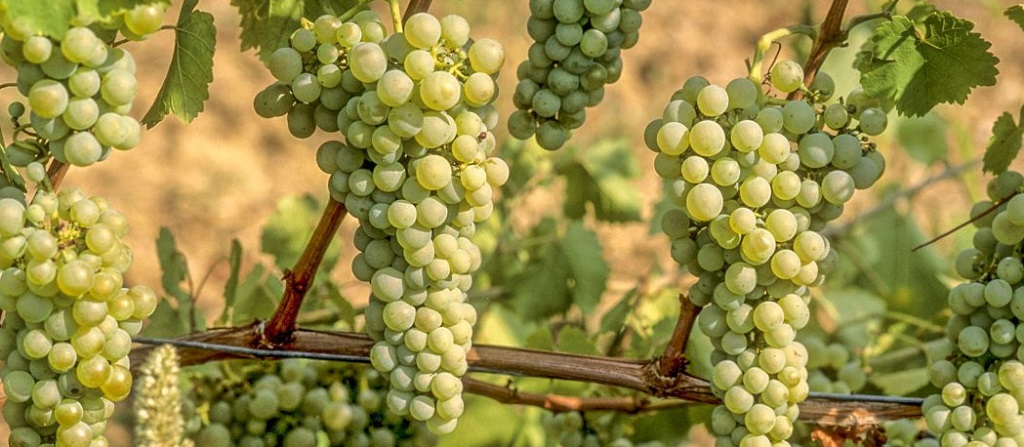
Mtsvane Kakhuri is a native Georgian white grape variety known for its aromatic brightness, lifted acidity, and versatility in both modern and traditional winemaking. Often blended with Rkatsiteli to add freshness and perfume, it is increasingly bottled on its own and appreciated for its elegance and expressive fruit profile.
Mtsvane Kakhuri has been cultivated in Kakheti, eastern Georgia’s primary wine region, for centuries. The name “Mtsvane” means “green” in Georgian, while “Kakhuri” denotes its origin in Kakheti. It was traditionally grown alongside Rkatsiteli and used in blends to bring aromatic lift and softness to otherwise firm and structured wines. During the Soviet period, Mtsvane remained a secondary grape, overshadowed by more productive or robust varieties. In recent decades, as Georgian producers began to revive and explore their indigenous grape heritage, Mtsvane Kakhuri reemerged as a standalone variety with considerable potential, especially in both fresh white and amber wine styles.
Mtsvane Kakhuri is genetically distinct and not to be confused with other grapes sharing the “Mtsvane” name, such as Goruli Mtsvane or Mtsvane Zvari, which are different varieties. It is almost always identified as Mtsvane Kakhuri on serious wine labels to avoid confusion. DNA research confirms its Caucasian origin and places it within Georgia’s unique ancient grape pool. It is grown almost exclusively in Kakheti, especially in Tsinandali, Ikalto, and Kardenakhi, though small plantings exist in other regions. The grape is extremely rare outside Georgia.
Mtsvane Kakhuri is a moderately vigorous, mid ripening variety that thrives in Kakheti’s warm, dry summers and benefits from elevation and diurnal temperature shifts. It prefers limestone and alluvial soils and performs best on slopes with good drainage. The vine is sensitive to botrytis and must be monitored closely near harvest, but when well managed, it delivers balanced fruit with moderate sugar and bright natural acidity. Its thin skins make it less suited to long macerations than Rkatsiteli, but it still adapts well to qvevri fermentation. Yields must be controlled to avoid dilution of flavour and aroma.
Mtsvane Kakhuri can be made in both modern and traditional styles. In contemporary winemaking, it is fermented in stainless steel at low temperatures to preserve its citrus and floral character. It may be aged on fine lees for added texture. In traditional qvevri production, it is sometimes fermented with skins and seeds, resulting in amber coloured wines with more body, tannin, and savoury complexity. Winemakers tend to adjust maceration time depending on vintage and desired style. Mtsvane’s delicacy is often preserved through gentle handling, and oak is used sparingly, if at all. It is also used in sparkling wine blends for its freshness and lift.
Mtsvane Kakhuri produces dry white wines that are light to medium bodied, with floral aromas, zesty acidity, and moderate alcohol. In its fresher expressions, it shows notes of lime blossom, green pear, tangerine peel, fresh herbs, and white peach. In qvevri versions, it gains honeyed, resinous, and spiced characteristics, along with subtle tannic grip and more textural depth. The wines are generally approachable young but can age well for five to eight years, developing layers of dried citrus, hay, and beeswax. Across styles, Mtsvane maintains a lifted, aromatic profile with excellent food pairing versatility.
Mtsvane Kakhuri is gaining visibility in Georgia’s evolving wine landscape. As producers focus on site expression and indigenous grapes, Mtsvane is being singled out for single varietal bottlings, particularly from hillside vineyards with old vines. Its role in both modern and traditional winemaking makes it attractive to a wide range of producers, from low intervention natural winemakers to large modern cellars. Its use in high acid, low alcohol blends and potential in sparkling wine have further increased its relevance. Mtsvane is also beginning to appear in wine lists abroad, appreciated for its perfume, freshness, and Georgian identity.
Orgo and Pheasant’s Tears produce textured, skin contact Mtsvane with aromatic complexity and a grounded, earthy palate. Tiko Estate and Alapiani offer qvevri aged versions with herbal depth and refined structure. For fresher interpretations, Teliani Valley and Schuchmann Wines bottle bright, clean expressions that highlight citrus and orchard fruit. Lukasi Winery and Do Re Mi explore small batch natural styles with minimal intervention. These producers reflect the stylistic range of Mtsvane Kakhuri and its growing importance in Georgia’s contemporary white wine scene.