Search
WritingArticlesBlogReportsSpiritsTastings
Wines Wine Lists Recently Scored This month's 90+ Last month's 90+ Advanced Search (coming soon)
Discover Wine Regions ResourcesHistoryVintage Guides
AboutUpdatesVinorandum Paul Caputo Sample Policy
Subscribe Join TestimonialsWhy register?
CommunitySponsored Contributors Wine People Forum
Travel City GuidesDiningTravel
Contact Contact me Write for Vinorandum Advertise Submit your Wines

Petit Verdot

Petit Verdot is a late ripening red grape variety originally from Bordeaux, valued for its deep colour, firm tannin, and floral perfume. Traditionally used in small amounts in blends, it has also found a modern role as a varietal wine in warm climates around the world.
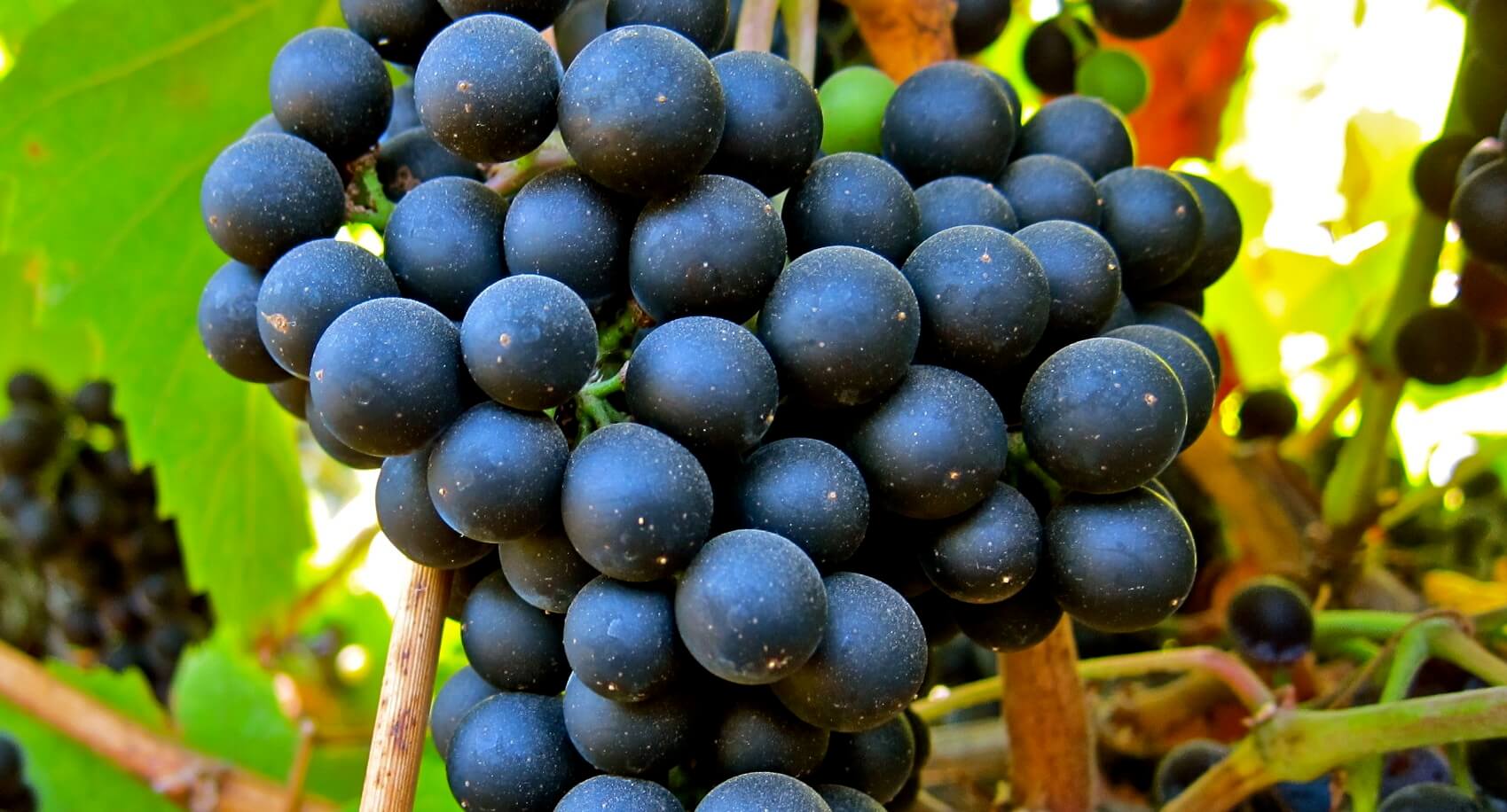

Petit Verdot

Petit Verdot has been part of the Bordeaux viticultural landscape since at least the eighteenth century, likely originating in the Médoc. Its name means “little green,” referring to its tendency to ripen unevenly and produce underripe berries in cooler vintages. Because of this, it was gradually replaced by more reliable varieties such as Merlot and Cabernet Sauvignon. Its role in Bordeaux was historically minor, used in small percentages to add structure and colour to the blend. In the late twentieth century, however, Petit Verdot gained renewed attention outside of France, particularly in Australia, California, Chile, and Spain, where it ripens more consistently and can be bottled as a varietal.

Petit Verdot is genetically distinct from other Bordeaux varieties and may be one of the region’s oldest native grapes. Its parentage remains uncertain, though it appears unrelated to Cabernet or Merlot. The grape is known by the same name internationally, though minor synonyms include Petit Verdau and Verdot Rouge. Despite sharing part of its name with Verdot Blanc, the two are not related. It is officially authorised in Bordeaux, though plantings remain limited. It has become more widely planted in Mendoza, Paso Robles, Colchagua, and La Mancha, where warm growing seasons allow full phenolic development.

Petit Verdot is a late budding, late ripening variety that requires a long, warm growing season to reach maturity. It performs best in gravelly, well drained soils and benefits from heat and exposure. In cooler climates or wet vintages, it may fail to ripen fully, resulting in herbaceous or green tannins. The vine is moderately vigorous and productive but requires careful canopy and yield management. Its compact bunches and thick skins provide excellent colour and tannin, though the grape is prone to millerandage and poor fruit set. In warm climates, it ripens more evenly and reliably, producing intense, structured wines.

Petit Verdot is typically vinified with extended maceration to extract colour, tannin, and aromatic complexity. It responds well to oak ageing, particularly in new or second fill French or American barrels, which help integrate its firm structure and add spice. Fermentation temperatures are often kept high to extract richness and deepen flavour. The grape’s natural acidity and powerful phenolics make it suitable for both blending and varietal wines. In blends, it adds colour, florals, and backbone to softer grapes like Merlot. In single varietal bottlings, it demands careful winemaking to avoid bitterness or excessive astringency.

Petit Verdot produces full bodied, structured red wines with deep colour, robust tannins, and moderate to high acidity. Aromas include black cherry, blackberry, violet, graphite, dried herbs, and black pepper. With oak ageing, flavours of vanilla, mocha, and cedar often appear. The palate is dense and firm, with a long, grippy finish. In cooler climates or underripe vintages, the wines can be green and angular, but in warm sites, Petit Verdot offers power, complexity, and ageing potential. Varietal styles are typically bold and long lived, while blended versions contribute supporting structure and aromatic lift.

Petit Verdot is increasingly valued for its performance in hot, dry regions, where other Bordeaux grapes may lose freshness. In Australia’s Riverina and Barossa, it is bottled on its own or used to add structure to Cabernet and Shiraz blends. In California, especially in Paso Robles, Petit Verdot has emerged as a key varietal in full bodied red wine portfolios. In Spain, it is becoming more common in Castilla La Mancha and Valdepeñas, often blended with Tempranillo or used in single varietal wines with bold international appeal. The grape’s consistent colour, firm tannin, and adaptability to oak make it attractive to both large producers and small, quality focused wineries.

In Bordeaux, Château Palmer and Château Margaux occasionally include Petit Verdot in small amounts, adding depth and colour to classic blends. In Paso Robles, Daou and Justin produce powerful varietal expressions. Viña Tarapacá in Chile and Dominio de Valdepusa in Spain bottle structured, ageworthy styles that highlight the grape’s potential. Andrew Peace and Kingston Estate in Australia offer rich, accessible versions with spice and black fruit. These producers demonstrate how Petit Verdot has evolved from a minor Bordeaux blending component into a respected grape in its own right across multiple continents.