Search
WritingArticlesBlogReportsSpiritsTastings
Wines Wine Lists Recently Scored This month's 90+ Last month's 90+ Advanced Search (coming soon)
Discover Wine Regions ResourcesHistoryVintage Guides
AboutUpdatesVinorandum Paul Caputo Sample Policy
Subscribe Join TestimonialsWhy register?
CommunitySponsored Contributors Wine People Forum
Travel City GuidesDiningTravel
Contact Contact me Write for Vinorandum Advertise Submit your Wines

Pignolo

Pignolo is a rare red grape variety native to Friuli Venezia Giulia in northeastern Italy. Known for its firm tannins, high acidity, and deep flavour intensity, it produces structured, ageworthy wines that have attracted growing interest among collectors and connoisseurs. Once nearly extinct, Pignolo is now seen as one of Friuli’s noblest red grapes. 
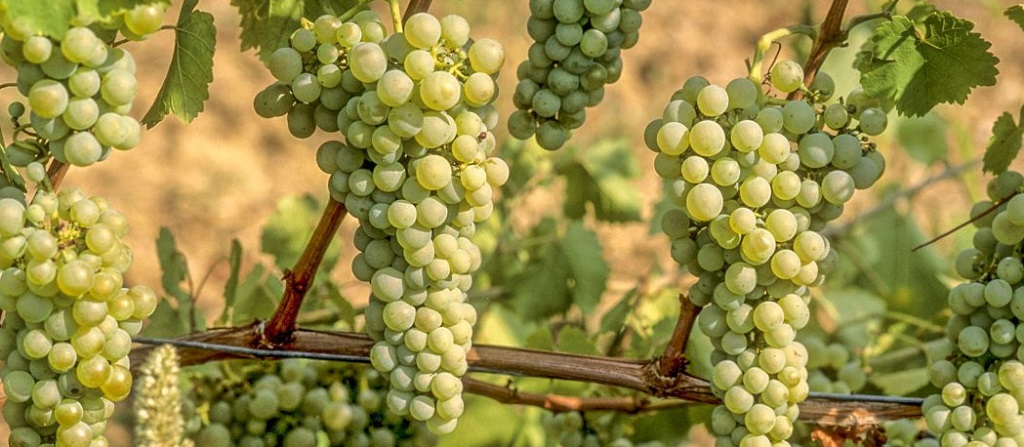
Pignolo

Pignolo has been cultivated in Friuli since at least the fourteenth century, with early references noting its presence in vineyards near Rosazzo and Cividale del Friuli. Its name is thought to derive from pigna, meaning pine cone, a reference to the shape of its tightly packed grape clusters. Historically, it was planted in mixed vineyards and used for rustic local reds. After phylloxera and the decline of traditional farming, Pignolo fell out of use and was believed lost. Its rediscovery in the 1970s at the Rosazzo Abbey (Abbazia di Rosazzo) prompted a small-scale revival, led by winemakers interested in Friuli’s indigenous grape heritage. Since then, Pignolo has been slowly reestablished as a serious varietal.

DNA testing confirms that Pignolo is a genetically distinct variety. While it shares regional roots with other Friulian grapes such as Refosco and Schioppettino, it is not directly related to them. It has no widespread synonyms and is typically labelled as Pignolo, though some historical documents may refer to it generically as a red grape of Rosazzo. It is almost exclusively grown in Colli Orientali del Friuli, especially in the Rosazzo and Buttrio areas, and remains rare outside the region. Small trial plantings exist in Slovenia, but the grape has not spread widely beyond northeastern Italy.

Pignolo is a low yielding, late ripening grape that demands patience and careful site selection. It thrives in well drained marl and sandstone soils on sunny, sloping vineyards. The vine is moderately vigorous but requires low yields to achieve balance and phenolic ripeness. It is susceptible to rot and coulure, making it difficult to cultivate consistently. However, when grown well, it produces grapes with thick skins, deep colour, and a naturally high level of tannin and acidity. It is not an easy grape in the vineyard, but it rewards the effort with structure and ageing potential.

Pignolo’s tannic and acidic nature requires long élevage and precise winemaking. Fermentation typically involves extended maceration to extract structure and depth. The wines are then aged in small oak barrels, often for two to three years, followed by further ageing in bottle before release. Both new and used oak are employed, depending on the producer’s style. Some winemakers use large casks or amphorae to soften the wine while maintaining purity. Pignolo is rarely approachable young and needs time to develop its complexity and finesse. It is one of the few Italian reds from the northeast that benefits from long term cellaring.

Pignolo produces full bodied red wines with deep colour, powerful tannins, and firm acidity. Aromas include black cherry, dried plum, tobacco leaf, dark chocolate, forest floor, and baking spice. In youth, the wines are intense and tightly wound, but with age they soften into elegant, savoury reds with depth and balance. Alcohol levels are typically moderate to high, and the best wines exhibit both richness and energy. While not a wine for early consumption, Pignolo rewards cellaring with nuance and complexity, often lasting for ten to twenty years or more in top examples.

Pignolo is increasingly viewed as Friuli’s answer to Barolo or Sagrantino—a structured, long lived red with clear regional identity. Producers are investing in older vineyards, longer élevage, and single vineyard bottlings to express the grape’s full potential. As interest grows in native Italian reds with ageing capacity, Pignolo is gaining attention in fine wine circles and among collectors. Though production remains small, it is positioned as one of the most serious and site expressive red grapes in northeastern Italy.

Bastianich produces a benchmark Pignolo that balances power with precision, showcasing the grape’s dark fruit and firm structure. Moschioni is known for bold, concentrated examples that benefit from extended ageing and demonstrate cellar potential. La Viarte and Le Vigne di Zamò offer more polished, modern interpretations with elegant tannins and subtle oak. Rodaro crafts deeply expressive wines from old vines with minimal intervention. These producers represent the stylistic diversity of Pignolo, from rustic power to refined restraint.