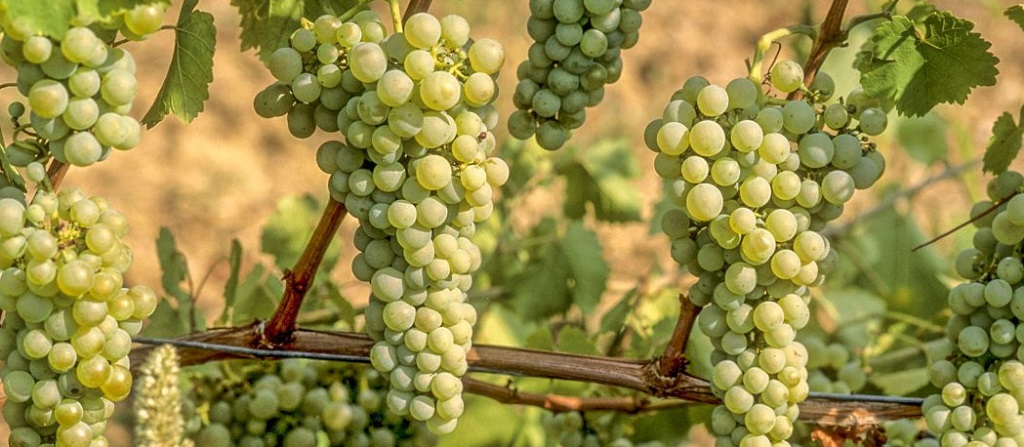
Saperavi is Georgia’s flagship red grape variety, renowned for its deep colour, firm structure, and exceptional ageing potential. One of the world’s few teinturier grapes, it produces bold, complex wines with natural acidity and strong cultural identity. It is central to both Georgia’s ancient winemaking heritage and its modern revival.
Saperavi has been grown in Kakheti, eastern Georgia’s leading wine region, for centuries and is thought to be among the oldest cultivated grape varieties in the world. Its name means “dye” or “to colour” in Georgian, referencing the grape’s intensely pigmented juice. It was traditionally used in qvevri winemaking, an ancient method involving fermentation and ageing in large clay vessels buried underground. Under Soviet rule, Saperavi was used to produce mass market reds, but since Georgia’s independence, it has reclaimed its status as a premium variety. It is now a symbol of Georgian identity and a core part of the country’s winemaking renaissance.
Saperavi is genetically distinct and belongs to the ancient Vitis vinifera lineage of the South Caucasus. DNA studies confirm that it is unrelated to European noble varieties and may be part of a larger, regionally unique genetic family. It is one of the rare teinturier grapes, meaning its pulp as well as its skin is pigmented, giving wines deep, inky colour. It is grown almost exclusively in Georgia, with small plantings in Russia, Ukraine, Moldova, Australia, and the Finger Lakes region of New York. It is almost always labelled as Saperavi and has no widely used synonyms.
Saperavi is a hardy, late ripening grape that thrives in a continental climate with warm summers and cold winters. It is drought resistant and well suited to the sun drenched, dry plains of Kakheti, particularly in Napareuli, Mukuzani, and Kindzmarauli. The vine is vigorous and productive, so yield management is essential for high quality wines. Its thick skins and deep pigmentation give it strong resistance to disease and rot. Despite its power, it retains excellent natural acidity, which allows for balance and ageability even in hot vintages.
Saperavi is used in both traditional and modern winemaking. In the qvevri method, whole berries are fermented with skins, seeds, and stems in clay vessels for extended periods, often six months or more, resulting in tannic, textural wines with earthy complexity. In modern cellars, Saperavi is vinified in stainless steel or oak, with careful maceration and ageing to highlight fruit and finesse. It responds well to barrel ageing, both in large format oak and barrique, and can benefit from several years of bottle development. Sparkling, rosé, and semi sweet styles also exist, but the grape is most prized for its dry, structured reds.
Saperavi produces full bodied red wines with deep colour, firm tannins, and vibrant acidity. Flavours include black cherry, damson, mulberry, pomegranate, black tea, dried herbs, and dark spice. In qvevri wines, additional notes of earth, iron, and wild forest floor emerge. Alcohol levels are moderate to high depending on ripeness, and the best examples age gracefully for a decade or more. While bold and powerful, Saperavi retains a cool climate freshness that balances its intensity, making it both robust and ageworthy.
Saperavi is at the heart of Georgia’s wine revival. With the global rise of interest in qvevri and natural wines, Saperavi has gained an international following for its authenticity, structure, and ancient pedigree. Outside Georgia, a handful of producers in the United States, Australia, and Eastern Europe are experimenting with it as a climate resilient alternative to traditional red varieties. Within Georgia, there is increasing focus on single vineyard expressions, organic farming, and low intervention techniques. As the country repositions itself in the premium wine world, Saperavi remains its most visible and expressive red ambassador.
Pheasant’s Tears produces qvevri fermented Saperavi that captures the variety’s rustic power and traditional soul. Teliani Valley and Tbilvino offer polished, modern styles that show ripe fruit, freshness, and balance. Mukado, Shumi, and Kakhetian Traditional Winemaking (KTW) produce single vineyard expressions from appellations like Napareuli and Mukuzani, highlighting terroir differences. Orgo and Luka Wines craft nuanced, ageworthy Saperavi with minimal intervention. In the Finger Lakes, Standing Stone and Dr. Konstantin Frank make promising cold climate interpretations that combine structure with aromatic lift.