Schioppettino is a red grape variety native to Friuli Venezia Giulia in northeastern Italy. Known for its dark fruit, peppery spice, and lively acidity, it produces elegant, medium bodied wines that are increasingly celebrated for their regional character and ageing potential. Once nearly extinct, Schioppettino has made a strong comeback in the Colli Orientali del Friuli.
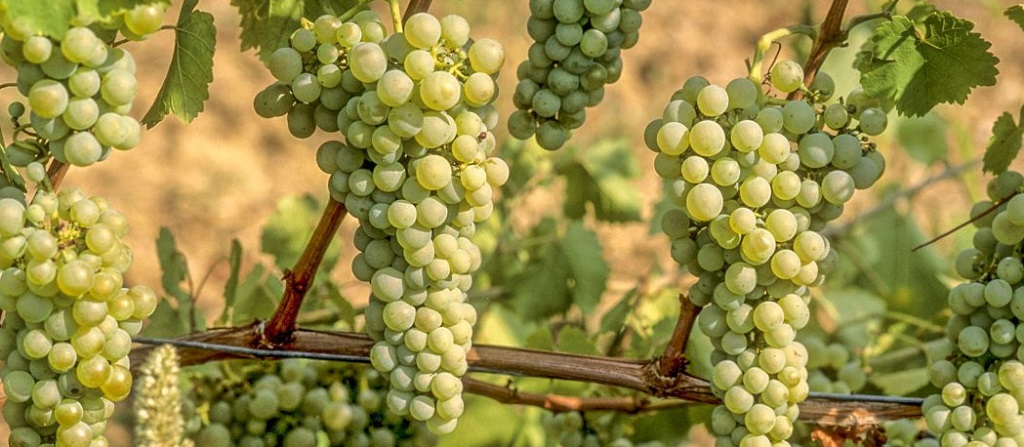
Schioppettino has been grown in the Prepotto area of Friuli for centuries. The name translates roughly as “little crackling one,” possibly referring to the grape’s sprightly nature or the slight effervescence in older winemaking styles. It was widely planted until the late nineteenth century, when phylloxera, changing tastes, and neglect led to a dramatic decline. By the 1970s, Schioppettino had nearly disappeared. Its revival began thanks to the efforts of local growers and the support of regional authorities, who in 1978 approved emergency replanting. Since then, Schioppettino has become a symbol of Friulian viticultural heritage and resilience.
DNA analysis confirms that Schioppettino is genetically distinct, though it shares some kinship with other northeastern Italian varieties such as Pignolo and Refosco dal Peduncolo Rosso. It has occasionally been confused with Ribolla Nera, a name that sometimes appears in older documents but now refers to a separate grape. The variety is almost exclusively grown in Friuli Venezia Giulia, particularly around Prepotto and the Colli Orientali del Friuli DOC zone. Outside of Italy, it is very rare, though a few producers in California and Australia have begun to experiment with it under the name Schioppettino or Ribolla Nera.
Schioppettino is a mid to late ripening variety that prefers hillside vineyards with good exposure and well drained soils. It is moderately vigorous and relatively disease resistant, though susceptible to coulure and poor fruit set in wet spring conditions. The grape retains high acidity and moderate sugar levels, producing wines with freshness and moderate alcohol. Yield control is important to achieve aromatic concentration and balance. The variety benefits from a long growing season, which helps develop its signature peppery character and dark berry profile.
Schioppettino responds well to both traditional and modern winemaking approaches. Fermentation typically takes place in stainless steel or concrete, followed by ageing in large neutral casks or used barriques. The goal is often to preserve aromatic lift and avoid overwhelming the wine with oak. Some producers experiment with amphora or low sulphur techniques to showcase purity and site expression. Extended maceration is used carefully to manage tannins without masking the grape’s natural freshness and spice. Bottle ageing helps develop complexity, allowing the wine’s floral and savoury notes to emerge fully.
Schioppettino produces dry red wines that are medium bodied, with vibrant acidity, fine tannins, and a distinctive peppery finish. Aromas include blackcurrant, wild blackberry, violet, crushed herbs, and black pepper. On the palate, the wines are elegant and structured, often showing tension between fruit ripeness and savoury elements. Alcohol is usually moderate, and the wines often age well for five to ten years, gaining depth and polish. While most expressions are still, a small number of sparkling versions exist in homage to the grape’s historical roots.
Schioppettino is part of Friuli’s ongoing revival of native red varieties. Producers are investing in old vine sites and terroir driven bottlings that highlight the grape’s unique personality. As global demand grows for cooler climate reds with freshness, balance, and aromatic complexity, Schioppettino is being embraced by sommeliers and wine buyers looking for distinctive alternatives to Pinot Noir or Syrah. The creation of a subzone around Prepotto has helped build identity and quality standards. While still niche, Schioppettino is now firmly established as one of Friuli’s flagship red grapes.
Ronchi di Cialla produces benchmark Schioppettino with elegance, ageing potential, and layered floral and spice complexity. Vigna Petrussa offers a refined and textured interpretation from old vines in Prepotto. Bressan and La Viarte craft expressive, structured versions with mineral tension and savoury depth. Le Due Terre and I Clivi take a more natural, minimal intervention approach, revealing a raw and transparent side of the grape. These wines reflect the full stylistic range of Schioppettino and its growing role in the alpine reds of northeastern Italy.