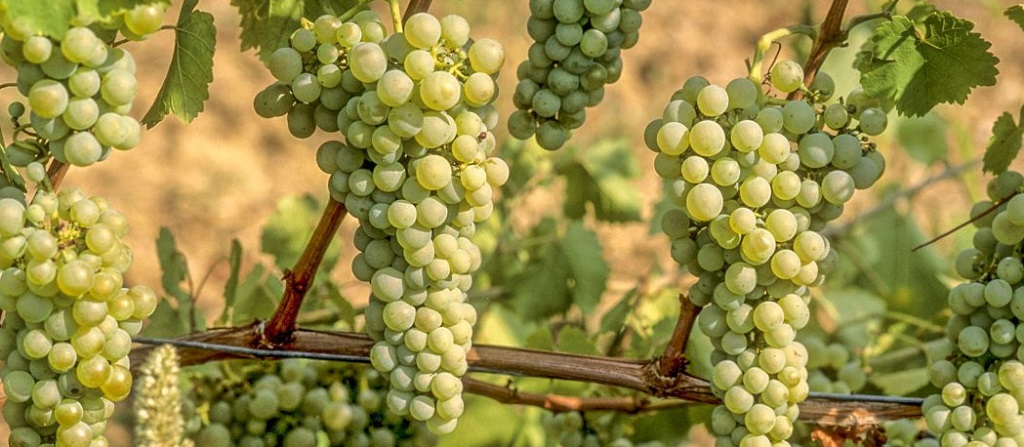
Tazzelenghe is a rare red grape variety native to Friuli Venezia Giulia in northeastern Italy. Its name translates to “tongue cutter,” a reference to its assertive tannins and biting acidity. Once nearly forgotten, Tazzelenghe is being slowly revived by producers interested in bold, ageworthy reds with strong regional identity and distinctive character.
Tazzelenghe has been cultivated in the Colli Orientali del Friuli for centuries, especially around the area of Cividale del Friuli. It was traditionally used in field blends or for rustic table wines consumed locally. The grape’s naturally high acidity and fierce tannins made it difficult to vinify and unappealing to modern consumers seeking softer styles. As a result, it fell out of favour in the twentieth century, with many vines uprooted in favour of international varieties. Its survival and partial revival are due to a handful of committed Friulian growers who recognised its historical significance and ageing potential. Since the 1990s, Tazzelenghe has gained a small but loyal following.
DNA testing confirms that Tazzelenghe is a genetically distinct variety with no close relation to Friuli’s other major reds such as Refosco, Schioppettino, or Pignolo. Its name, which means “cuts the tongue” in Friulian dialect, captures both its defining structural qualities and its rustic past. The grape is grown almost exclusively in Friuli Venezia Giulia, especially within the Colli Orientali del Friuli DOC, and is not widely planted outside Italy. It has no major synonyms and is typically bottled as a varietal wine under its original name.
Tazzelenghe is a late ripening variety that benefits from hillside vineyards with good sun exposure and well drained soils. It is moderately vigorous and relatively resistant to disease but requires careful canopy management to avoid shading and ensure full ripening. The grape tends to produce small, thick skinned berries that contribute to its high tannin content and colour concentration. Yields must be controlled to achieve balance and avoid green, underdeveloped tannins. Warm, dry autumns are essential for ripening and softening its naturally assertive structure.
Tazzelenghe demands patient and deliberate winemaking. Extended maceration, malolactic fermentation, and long ageing are typically employed to tame the grape’s tannins and integrate its acidity. Ageing in large oak casks or older barriques helps soften the wine while preserving its fruit and savoury notes. Some producers use micro oxygenation or long bottle ageing before release to round out the edges. It is not typically suited to carbonic maceration or early drinking styles. In the right hands, the grape can yield structured, cellarworthy wines with depth and complexity.
Tazzelenghe produces dry red wines that are dark, full bodied, and intensely tannic. Aromas include sour cherry, plum skin, violet, leather, black tea, and bitter herbs. The palate is marked by high acidity, firm tannins, and a savoury, sometimes rustic finish. In youth, the wines are often austere and demanding, but with age they evolve into complex, earthy reds with layered fruit, spice, and tertiary notes. Alcohol levels are moderate, and the wines can age well for a decade or more. Tazzelenghe is not for everyone, but it offers a compelling experience for those who appreciate structure and authenticity.
Tazzelenghe is part of the broader movement in Friuli to recover and revalue native red varieties. While plantings remain small, interest is growing among artisanal and organic producers who are seeking wines with identity, resilience, and ageing potential. The grape’s natural acidity and tannin structure make it a good candidate for climate adaptation and low intervention farming. Although still a curiosity on the international stage, Tazzelenghe is slowly earning respect as one of Italy’s most distinctive and characterful red grapes.
Di Lenardo produces a polished yet structured version of Tazzelenghe that shows dark fruit and subtle oak. Le Vigne di Zamo and Borgo San Daniele offer more classic interpretations with bold tannins and ageworthy balance. La Viartecrafts a softer, more accessible expression that highlights the grape’s fruit and spice without excessive astringency. For a more natural and traditional take, look to small producers in the Prepotto or Rosazzo subzones, where older vines and minimal intervention bring out the grape’s raw, powerful character.