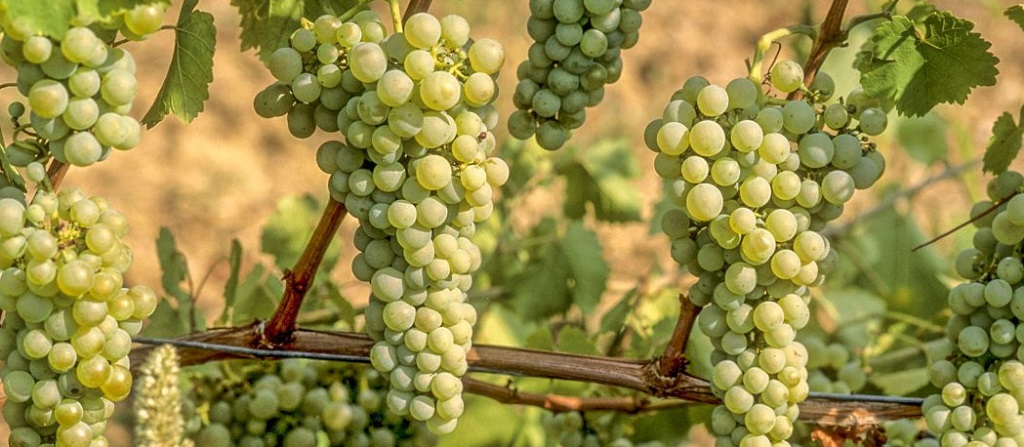
Teran is a dark skinned red grape native to the Istrian Peninsula, best known for producing vibrant, medium bodied wines with high acidity, bright red fruit, and earthy savoury notes. It is one of the signature red varieties of Croatia, especially in Istria, where it has been grown for centuries.
Teran has a long documented history in Istria, with records of its cultivation dating back to at least the fourteenth century. It was traditionally used to make deeply coloured, rustic wines prized for their freshness and ability to accompany hearty local cuisine. During the Yugoslav era, Teran was widely planted in mixed vineyards but often made with a focus on quantity over quality. Since Croatian independence, and especially in the past two decades, Teran has become central to the Istrian wine revival. Quality focused producers have replanted old vineyards, adopted modern techniques, and worked to protect the variety as a regional symbol.
Teran is a distinct grape variety native to the Istrian Peninsula, but it has often been confused with Refosco dal Peduncolo Rosso, a genetically related grape grown in northeastern Italy and western Slovenia. While they share some ancestry and similarities in aroma and acidity, DNA profiling confirms they are not the same variety. This historic confusion stems from overlapping use of the name Teran or Terrano in Italy and Slovenia, where it can refer to wines made from Refosco dal Peduncolo Rosso or other local grapes. In Croatia, however, Teran refers exclusively to the indigenous Istrian variety, which is now protected under European Union regulations. Wines labelled as Teran must come from the Istrian Peninsula and be made from the true Croatian Teran variety.
Teran thrives in the terra rossa soils of Istria, rich in iron oxide and limestone. It prefers well drained, sunny slopes and benefits from the cooling influence of the Adriatic Sea and local winds such as the bura. The vine is moderately vigorous, with small to medium sized berries and thick skins that contribute colour and tannin. It ripens mid to late season and can suffer from uneven ripening in cooler years. Its natural high acidity is one of its defining traits, making it well suited to the region’s cuisine and climate. Disease pressure is moderate, but careful canopy management is important in wet years.
Teran requires thoughtful handling in the cellar to manage its firm acidity and moderate tannins. It is usually fermented in stainless steel or large oak vats with gentle extraction. Extended maceration is used in more structured styles, while some producers favour shorter fermentations to highlight freshness. Ageing may be done in large Slavonian or French oak barrels, depending on stylistic intent. Some producers use barriques for added complexity, while others avoid oak entirely to preserve purity of fruit. Malolactic fermentation is standard, and bottle ageing is common before release, especially for premium wines.
Teran produces dry red wines that are medium bodied with vibrant acidity, moderate alcohol, and a savoury red fruit profile. Typical aromas and flavours include sour cherry, raspberry, cranberry, dried herbs, forest floor, and iron rich minerality. The wines often have a slightly wild or ferrous edge, reflective of the local soil. Tannins are moderate to firm, and acidity gives the wines a mouthwatering freshness that supports ageing. Young examples are typically bright and energetic, while mature wines develop earthy, leathery, and gamey notes. Sparkling rosé from Teran is also made in limited quantities, offering vivid colour and crisp texture.
Teran is at the heart of Istria’s identity driven wine movement. Local producers are investing in old vineyards, lower yields, and more precise cellar practices to bring out the variety’s full potential. There is growing interest in single vineyard bottlings and more restrained use of oak to showcase site and freshness. Teran is also a focus of regional wine tourism and promotional efforts, often celebrated at festivals and tastings as a uniquely Istrian product. While still mostly confined to Croatia and nearby regions, Teran’s profile is growing internationally thanks to its food friendliness, acidity, and distinctive style.
Top examples of Teran come from Kabola, which crafts ageworthy versions with elegance and subtle oak integration. Roxanich produces long aged Teran with wild aromatics and savoury complexity. Benvenuti makes a more modern, polished interpretation with good structure and deep fruit. Trapan Winery and Coronica both make vibrant, expressive Teran that combines coastal freshness with concentration.