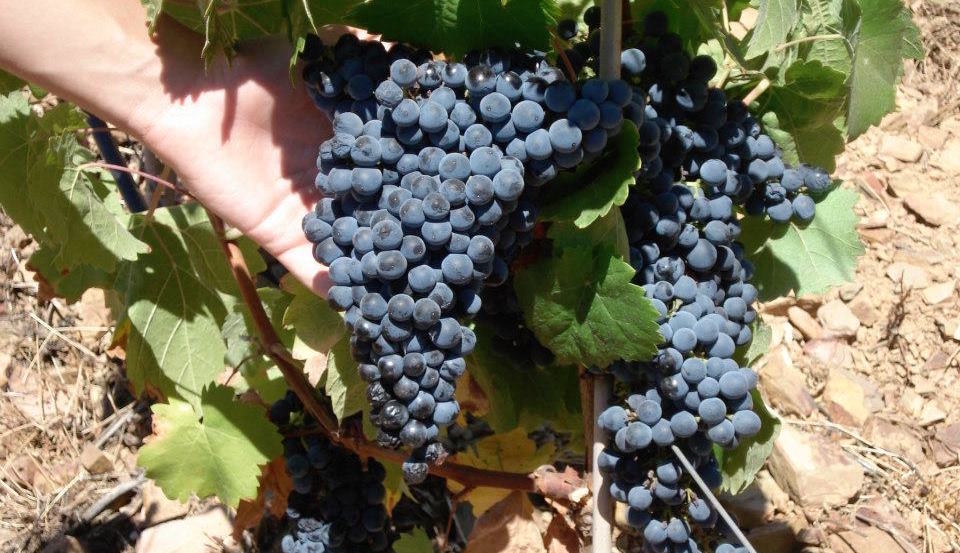
Trincadeira is a red grape variety native to Portugal, widely planted across the country and especially prominent in the Alentejo. Known for its intense aromatics, lively acidity, and potential for both complexity and rusticity, it plays a key role in many regional blends and is increasingly being explored as a varietal wine in its own right.
Trincadeira has been part of the Portuguese viticultural landscape for centuries and was historically planted across diverse regions including the Douro, Dão, and Alentejo. In the past, it was often grown in mixed vineyards and used to add perfume and freshness to blends. Its susceptibility to rot and uneven ripening led to a decline in favour during the twentieth century, particularly in cooler or wetter regions. However, in warmer, drier areas like Alentejo, it found renewed purpose. From the late twentieth century onward, producers began to pay closer attention to vineyard management and clonal selection, reviving Trincadeira’s role as a serious grape capable of structure and aromatic depth.
Trincadeira is genetically distinct, although it has often been confused with or mistaken for other Iberian varieties. It is also known by the synonym Tinta Amarela, particularly in the Douro Valley, where it is one of the traditional grapes permitted in Port production. In Dão and Alentejo, it is almost exclusively referred to as Trincadeira. Despite its broad historical presence, it remains uniquely Portuguese and is rarely seen outside the country. It is not related to Touriga Nacional, though the two are frequently blended.
Trincadeira is a late ripening and disease sensitive variety that performs best in warm, dry climates. It is prone to bunch rot and powdery mildew, especially in humid conditions, making it risky in cooler or wetter regions. In well managed vineyards with good airflow and drainage, it can yield high quality fruit with balanced sugar and acidity. The vine is moderately vigorous, with medium sized clusters and relatively thin skins. In warm climates, it maintains acidity well and ripens evenly, delivering aromatic wines with medium structure. Old vines and low yields are critical to achieving concentration and phenolic balance.
Trincadeira responds well to careful extraction and moderate oak influence. In regions like Alentejo, it is often fermented in stainless steel with temperature control to preserve fruit character. Ageing in used French oak barrels or large format wood helps round out tannins and bring out savoury complexity. It is typically used in blends to add freshness and floral lift, but some producers now make single varietal expressions that highlight its peppery, herbal side. Extended maceration must be handled cautiously, as over extraction can lead to bitterness. The best examples strike a balance between fruit purity, earthy nuance, and aromatic vibrancy.
Trincadeira produces medium bodied red wines with bright acidity, moderate tannins, and aromatic profiles that include redcurrant, plum skin, wild herbs, lavender, cracked pepper, and dried flowers. In youth, the wines are expressive and energetic, sometimes slightly rustic. With age, they develop savoury notes of leather, tobacco, and underbrush. The wines are typically moderate in alcohol and best known for their lively tension and perfume rather than depth or power. In blends, Trincadeira lifts heavier grapes such as Alicante Bouschet or Touriga Nacional, contributing freshness and aromatic finesse.
Trincadeira is being revalued by Portuguese producers seeking to emphasise regional identity and varietal authenticity. In Alentejo, it is central to many top blends and is increasingly featured in single vineyard bottlings. Some growers are exploring organic and biodynamic farming as a way to manage disease pressure naturally and express terroir more clearly. As climate change challenges ripening in cooler regions, Trincadeira’s adaptability to heat and drought is gaining attention. While still often blended, the grape is beginning to establish a reputation in its own right, especially among winemakers committed to low intervention and site specific expression.
Herdade do Mouchão produces classic, structured Alentejo wines where Trincadeira plays a vital supporting role to Alicante Bouschet. Fitapreta and Herdade dos Grous offer modern blends and varietal bottlings that highlight Trincadeira’s aromatic charm and acidity. Esporão crafts both youthful and ageworthy styles with polished texture and floral depth. In the Douro, Niepoort includes Tinta Amarela in traditional field blends, adding complexity to both red and fortified wines. These wines reflect Trincadeira’s versatility and the growing respect for its role in Portuguese viticulture.