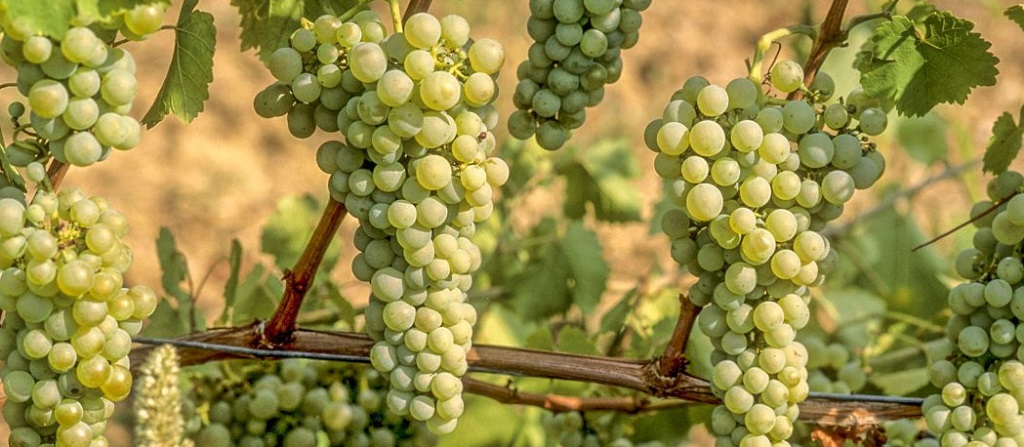
Xinomavro is one of Greece’s most important red grape varieties, known for producing structured and ageworthy wines with high acidity and firm tannins. Most famously grown in northern Greece, it is often compared to Nebbiolo for its complex aromas, savoury edge, and long ageing potential.
Xinomavro has been cultivated in northern Greece for centuries, particularly in the regions of Naoussa, Amyndeon, and Goumenissa. The name means "acid black," a reference to its naturally high acidity and dark skin. It likely developed in the area around Naoussa and gradually became the dominant red grape of the Macedonian uplands. Despite challenging vineyard demands and modest yields, Xinomavro endured due to its potential to produce deep, serious wines capable of long bottle ageing. In recent decades, renewed interest in native varieties has brought Xinomavro back to the forefront of Greek red wine production.
Xinomavro is genetically distinct with no close relation to major international varieties. It is not known to have significant synonyms, though some historical confusion has arisen with varieties like Negoska and Krassato, which are sometimes blended with it. The name is consistently spelled Xinomavro in modern usage. DNA testing confirms it is unrelated to Nebbiolo, despite frequent stylistic comparisons. It is almost exclusively grown in Greece, with small experimental plantings found in neighbouring countries and a few scattered sites abroad.
Xinomavro is a late ripening grape that requires careful site selection and vineyard management. It prefers well drained soils and performs best at altitude, where cooler temperatures allow it to retain acidity and develop complex aromatics. It is sensitive to yield, with high cropping often leading to dilute wines. Disease pressure can be a challenge, particularly from downy mildew and botrytis, due to its thin skin and compact clusters. Nevertheless, with low yields and optimal ripening, it can produce wines of great depth and longevity. Older vines and hillside sites tend to produce the most balanced fruit.
Xinomavro is a demanding grape in the cellar. Its naturally high acidity and assertive tannins require thoughtful winemaking to avoid hardness. Traditional styles involve extended maceration and ageing in neutral or old oak barrels, allowing the tannins to soften over time. More modern approaches may include temperature control, shorter maceration, or partial whole bunch fermentation to preserve fruit and manage structure. Oak use varies, with some producers favouring large foudres or amphora to maintain purity. In Amyndeon, where the climate is cooler, Xinomavro is also used to produce sparkling and rosé wines that highlight its acidity and aromatic range.
Xinomavro is best known for dry red wines with high acidity, gripping tannins, and aromas of dried tomato, sour cherry, olive tapenade, rose petal, and spice. With age, the wines develop notes of leather, dried herbs, tobacco, and earth. The structure is often austere in youth but can mellow into elegance with time in bottle. Lighter expressions from higher altitude vineyards show more fruit and lift, while fuller bodied wines from warmer sites tend to be darker and more brooding. In Goumenissa, Xinomavro is often blended with Negoska, which softens the profile. Rosé and sparkling styles from Amyndeon are crisp and fragrant, offering a different side to the grape’s personality.
Xinomavro has become a symbol of Greek red wine potential. A new generation of winemakers is exploring site specific bottlings, alternative ageing vessels, and gentler extraction methods to highlight the grape’s complexity without overpowering its structure. As global demand grows for distinctive, food friendly reds, Xinomavro is increasingly featured in wine lists and tastings beyond Greece. Its reputation continues to grow, particularly among those who appreciate Old World style reds with tension, savouriness, and longevity. Regional differentiation within Naoussa and Amyndeon is also becoming more defined, adding depth to the conversation around terroir and typicity.
The most classic expressions come from Naoussa, where producers like Boutari, Dalamára, and Karydas offer structured, ageworthy wines with depth and restraint. Thymiopoulos in the nearby region of Trilofos has helped reshape the grape’s image with softer, more approachable styles like the Earth and Sky bottling, which balances power and elegance. In Amyndeon, Alpha Estate produces a clean and modern version from higher altitude fruit, including impressive sparkling wines. Kir-Yianni, with holdings in both Naoussa and Amyndeon, crafts benchmark examples that showcase the grape’s range, while lesser known producers such as Argatia and Markovitis offer highly traditional and long lived wines with raw authenticity.