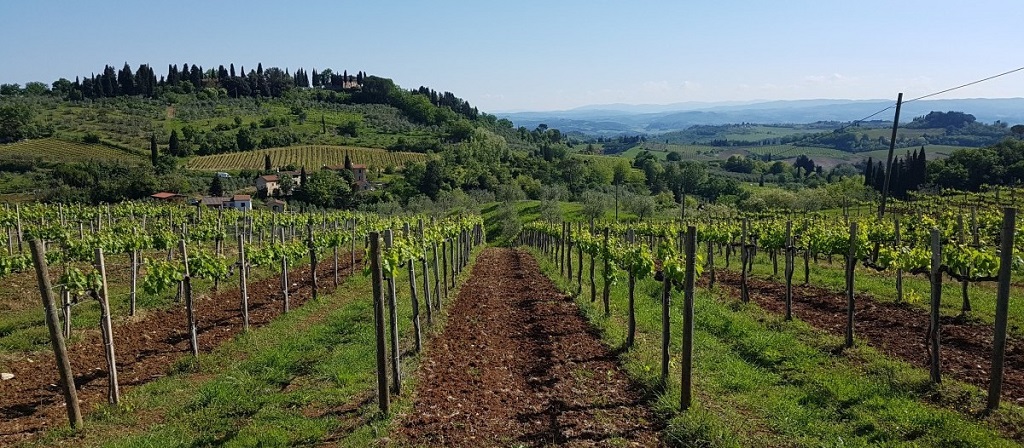
Tuscany is one of Italy's most famous wine regions, home to the great triumvirate of Chianti Classico, Brunello di Montalcino and Vino Nobile di Montepulciano.
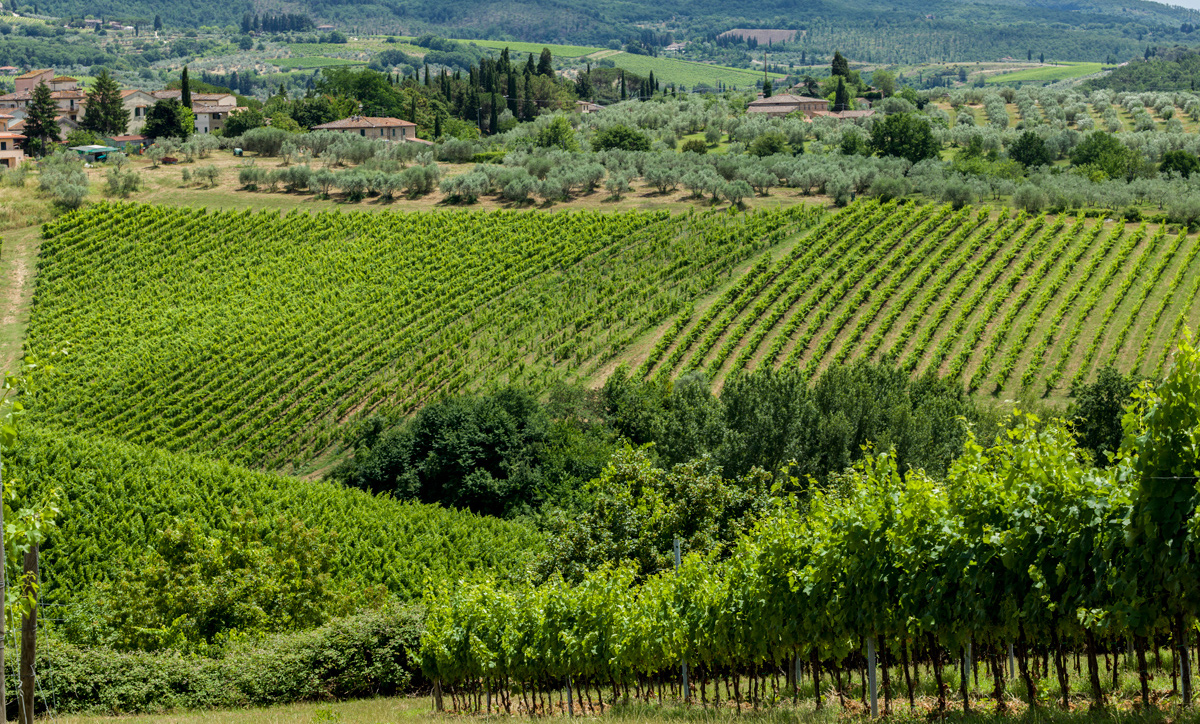
To view the key facts about Tuscany including key grapes, history, climate, styles and much more, please login or join Vinorandum today.
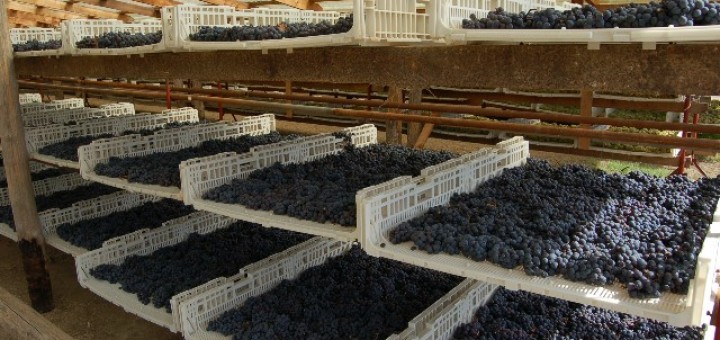
Also known as Elba Aleatico Passito DOCG, this tiny appellation produces only Passito wines made from the Aleatico grape on the island of Elba.
Read more ▸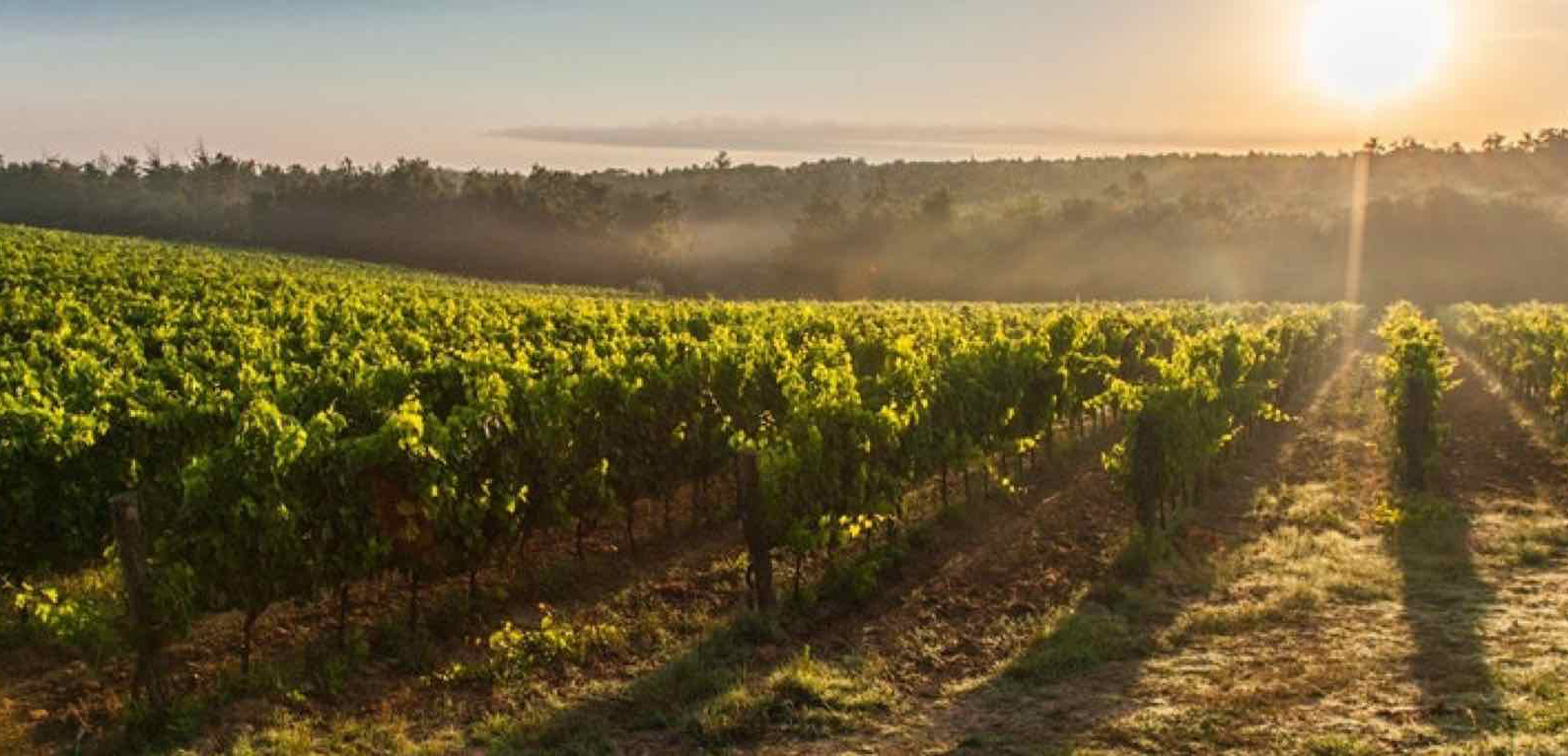
As the name suggests, Ansonica Costa dell’Argentario is produced from the Ansonica grape along the coast of Argentario in the west of Tuscany. It gives aromatic, fresh white wines.
Read more ▸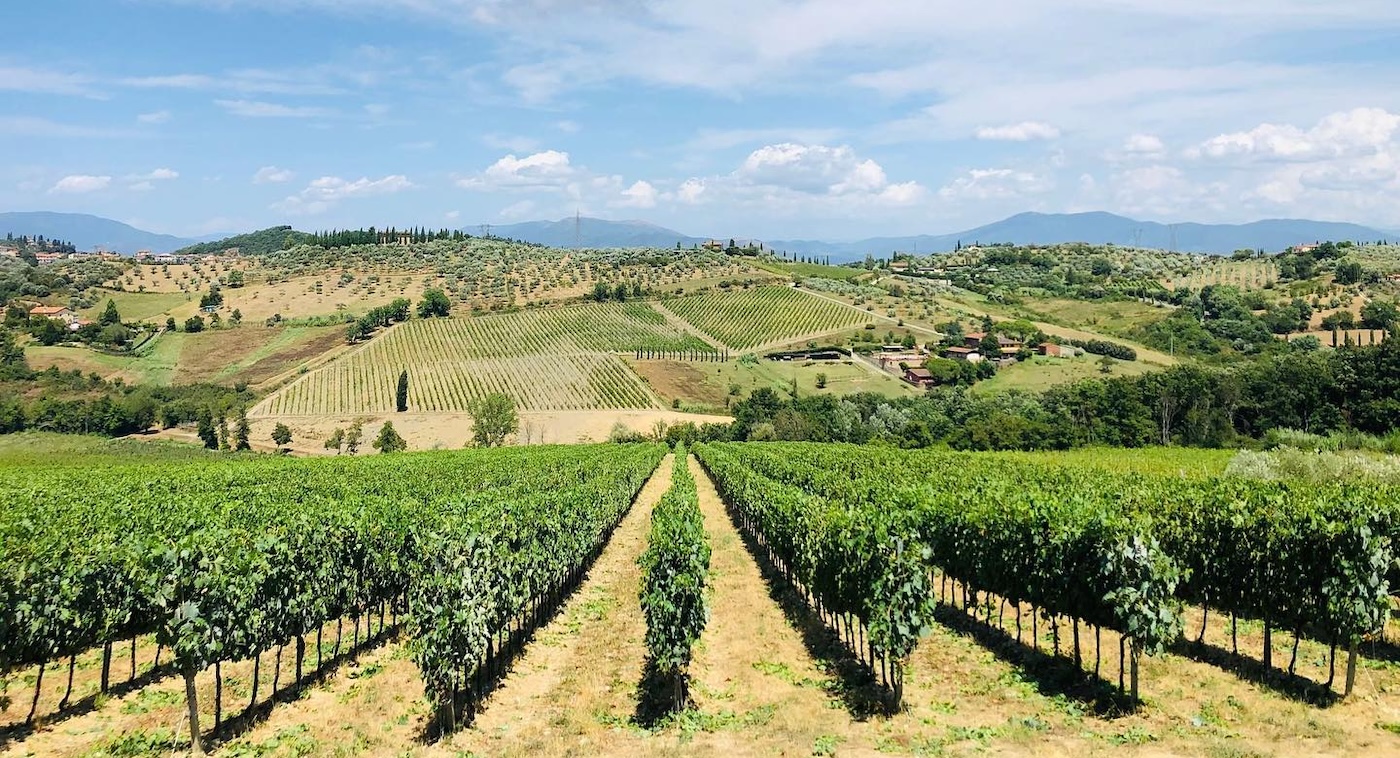
Barco Reale di Carmignano is a small DOC close to Florence making simple, fruity red and rose wines from both Sangiovese and international red varieties.
Read more ▸Bianco dell’Empolese DOC is a white wine produced from Trebbiano Toscano around the town of Empoli. It is also permits the production of a Vin Santo.
Read more ▸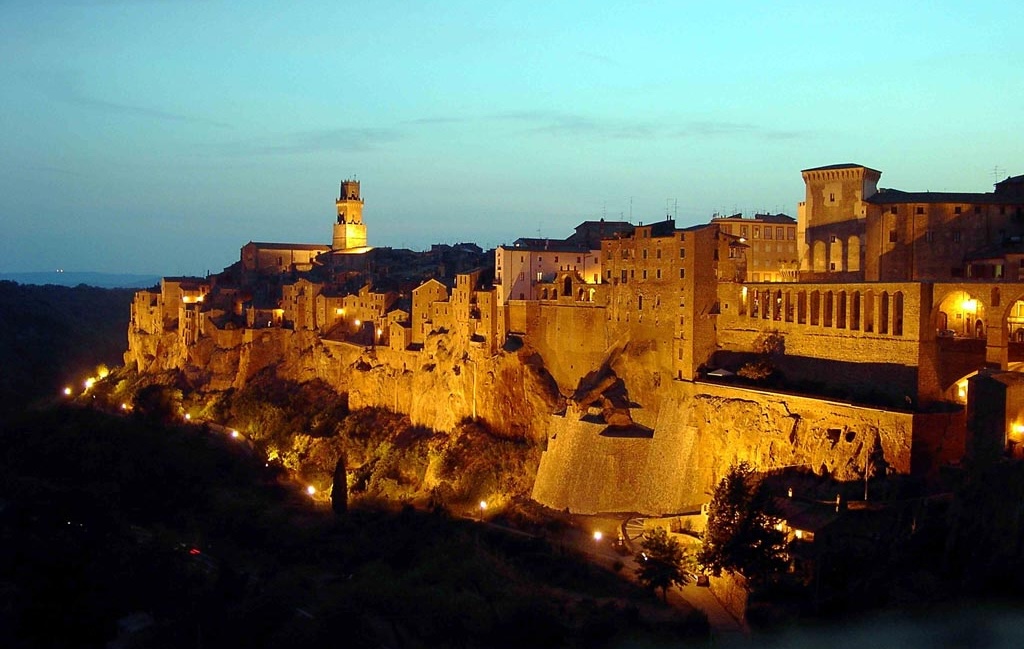
Bianco di Pitigliano DOC is a little known growing area in the Maremma zone of Tuscany. It currently produces wines from a range of different grapes, but the most obvious is the white from the prominent Cantina Sociale di Pitigliano.
Read more ▸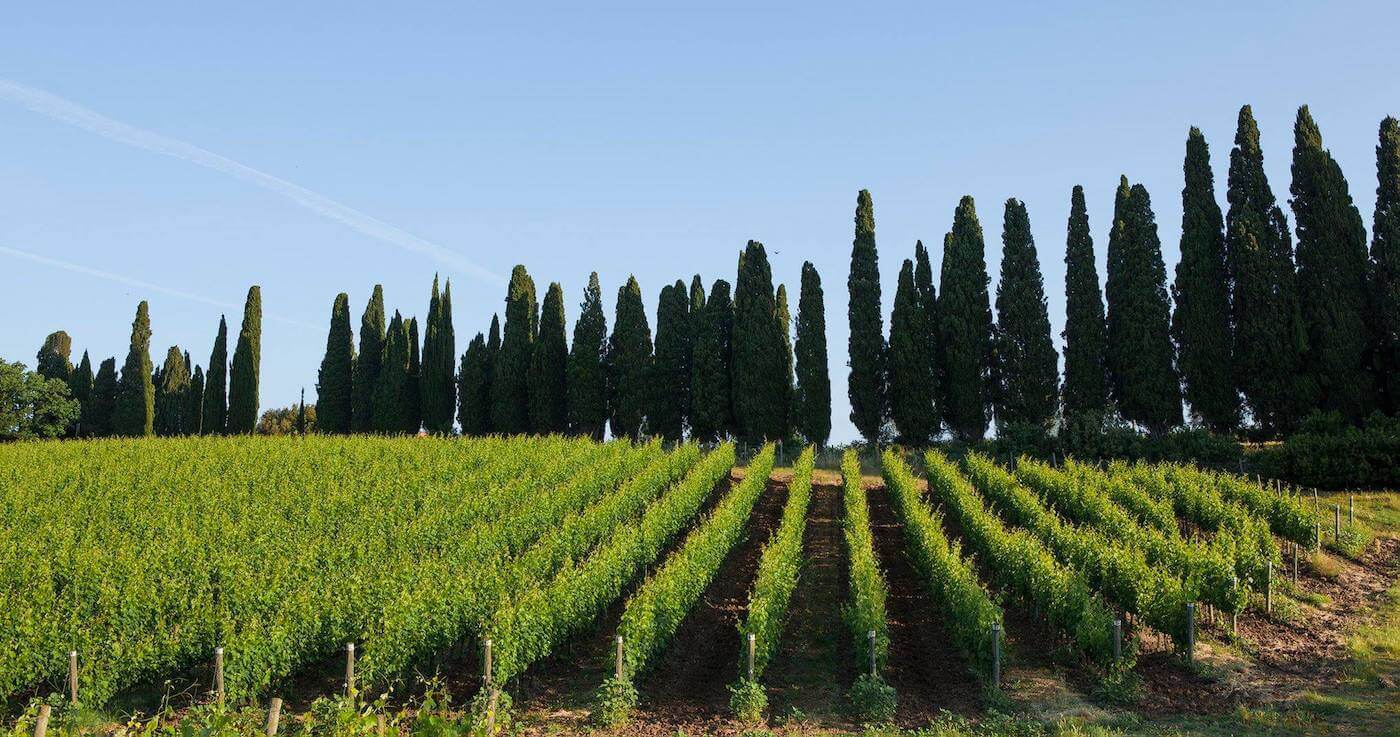
Bolgheri is often seen as the new frontier of Tuscan wine making. In recent decades there has been huge investment in this coastal appellation and there are now stunning wines to match.
Read more ▸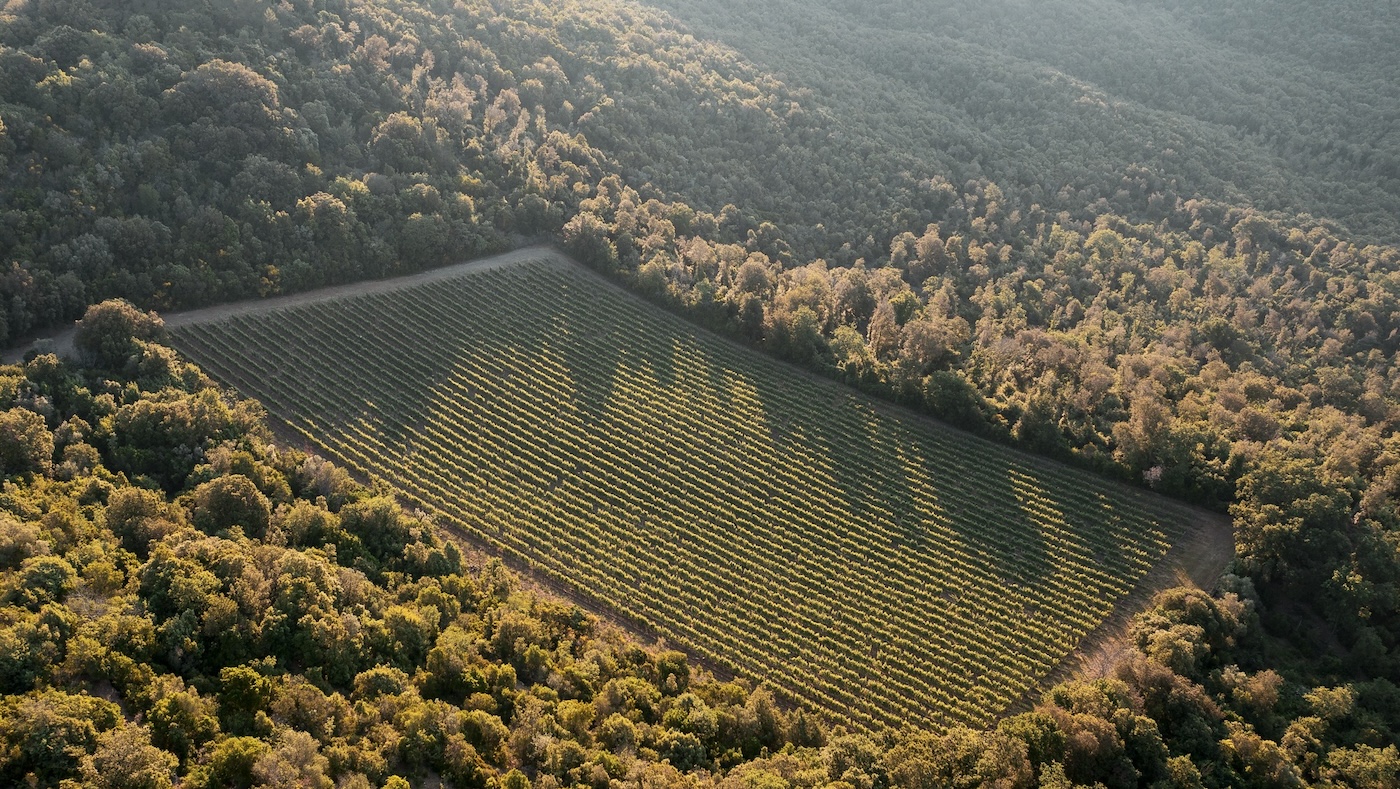
Bolgheri Sassicaia DOC was created in 2013 in recognition of Tenuta San Guido's iconic Sassicaia wine which has become a global symbol of Italian fine wine. It is located in the Bolgheri DOC appellation.
Read more ▸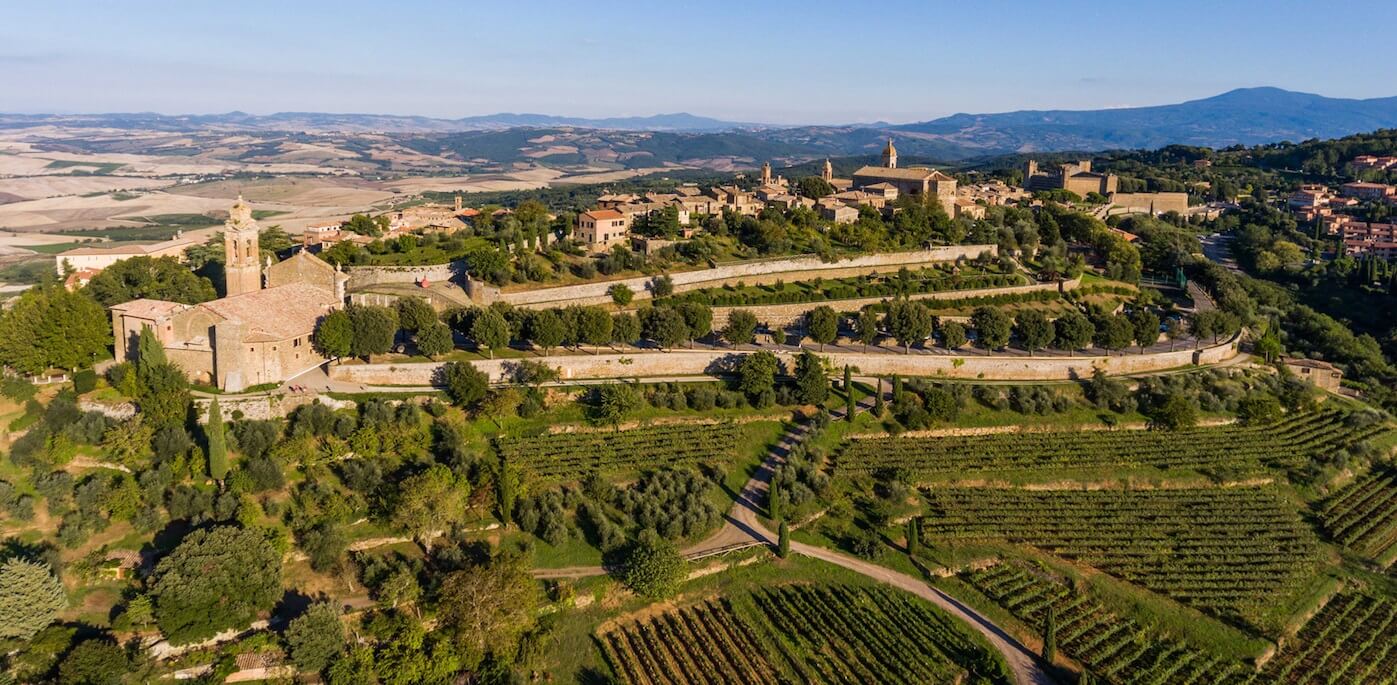
Brunello di Montalcino is one of the great red wines of Italy. Produced around the Tuscan town of Montalcino from a clone of Sangiovese, known locally as Brunello, it has come to represent one of the iconic monuments of the Italian wine scene. ...
Read more ▸Candia dei Colli Apuani DOC is one of the lesser known appellations in Tuscany. Created in 1981, it covers winemaking on the Tuscan coast, close to the towns of Massa, Carrara and Montignoso. White wines generally made with Vermentino, while reds ...
Read more ▸Capalbio DOC is made in the Maremma area of western Tuscany. Reds are made with Sangiovese, while white wines are made from Trebbiano Toscano and Vermentino.
Read more ▸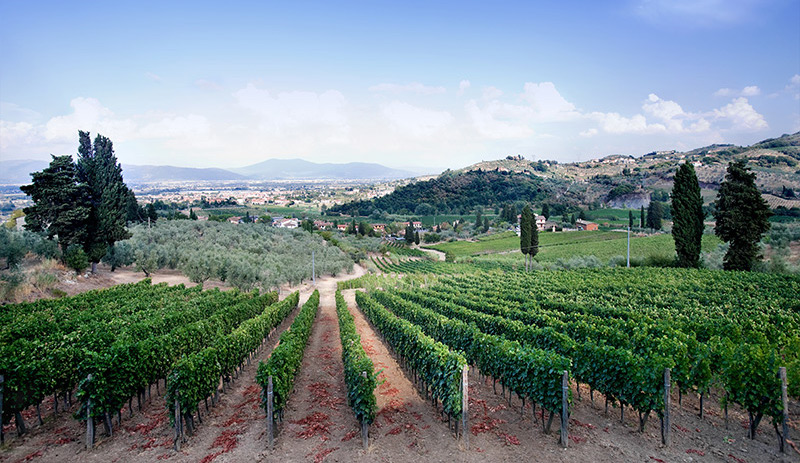
Carmignano is a little known, but quality focussed DOCG in Tuscany. A short drive from Florence, the area covers red wines made from at least 50% Sangiovese. They often blended with Cabernet Franc and / or Cabernet Sauvignon.
Read more ▸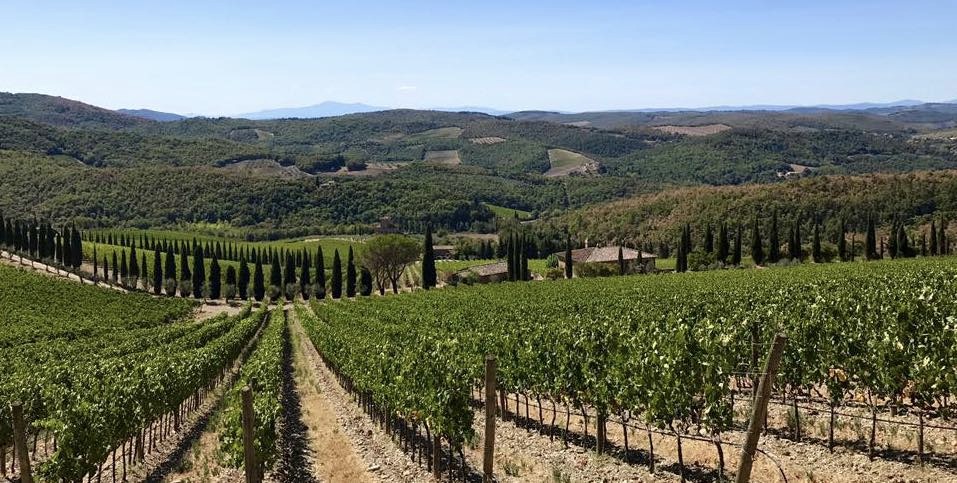
Produced from Sangiovese, Chianti Classico is one of Tuscany's great red wines and home to some of the country's most beautiful estates.
Read more ▸Colli della Toscana Centrale is a relatively new regional appellation created in the centre of Tuscany, but is increasingly found on the labels of high quality wines. A number of producers in the Chianti Classico area use the appellation in order ...
Read more ▸Although founded in 1990, the DOC of Colli dell’Etruria Centrale is rarely used. It was introduced in order to support ‘alternative’ wines produced in the Chianti and Chianti Classico areas. Whites in particular fit the bill, the majority of...
Read more ▸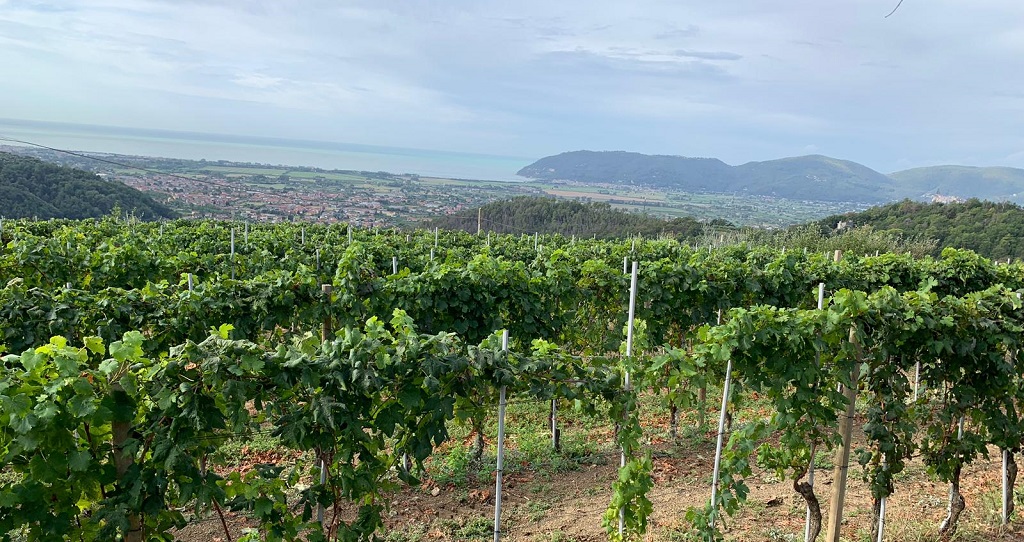
Colli di Luni is a Tuscan and Ligurian DOC. White wines are made from Vermentino, which can be made in a Superiore style and Albarola. Reds must be made with at least 50% Sangiovese.
Read more ▸Colline Lucchesi is produced around the medieval town of Luca in the North West of Tuscany. Sangiovese and Merlot reign here as despite the appellation’s proximity to the coast, varieties such as Vermentino don’t seem to develop the same aroma...
Read more ▸The Tuscan town of Cortona has carved itself a bit of local niche. Focusing on Syrah, Cortona produces deep, rich wines.
Read more ▸Costa Toscana IGP incorporates a wide range of local grape varieties and encourages the production of wines from Tuscany's coastal areas.
Read more ▸Grance Senesi was created in 2010 to offer some exposure for varietal wines produced around the Tuscan town of Siena. There are only a few hectares registered to the appellation, but in theory it provides a place for wines from Canaiolo Nero, Cabe...
Read more ▸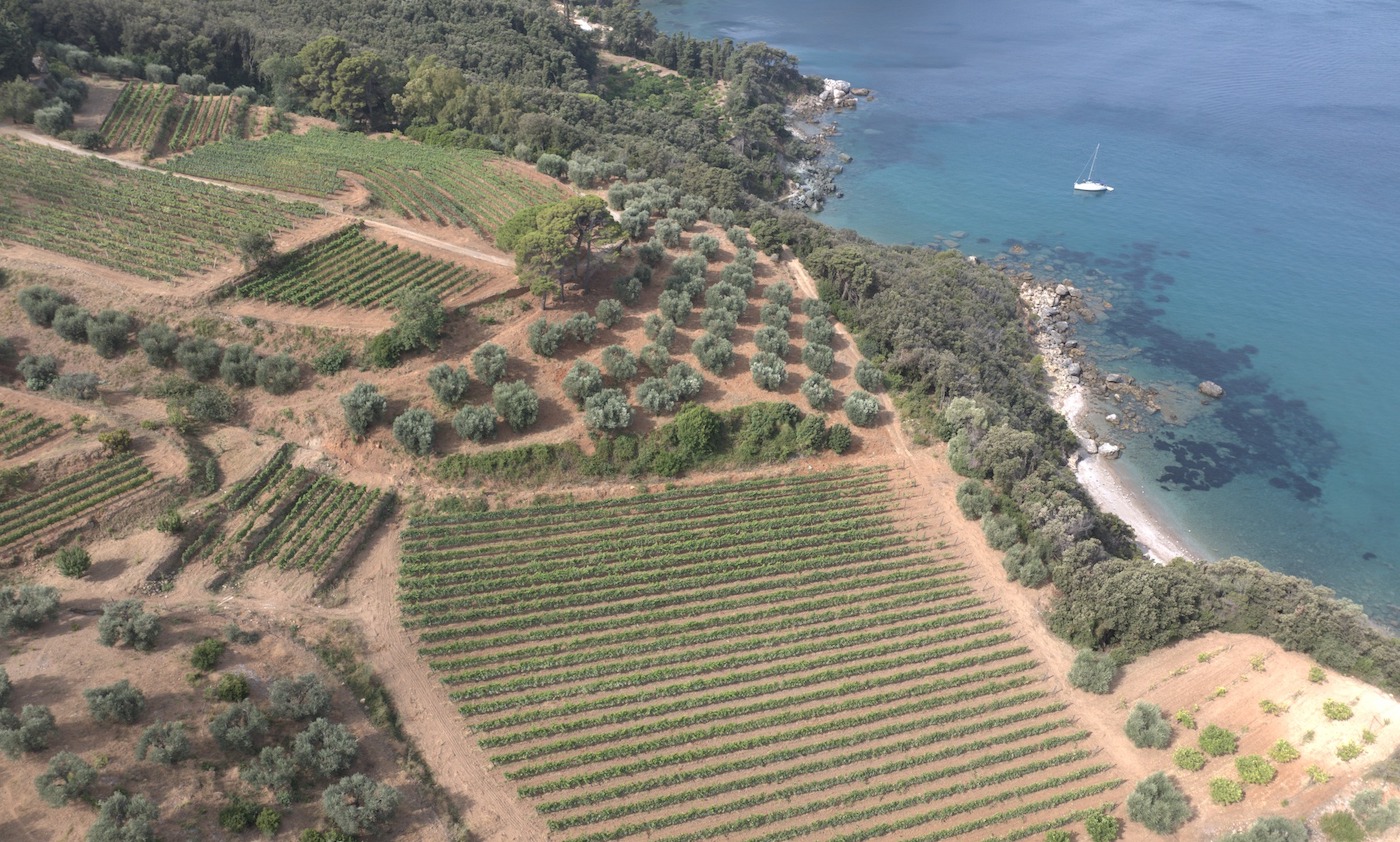
The Maremma area was upgraded from IGT to DOC in 2011 in recognition of the area’s inherent typicity. The area is primarily known for its reds from Sangiovese, Cabernet Sauvignon and Merlot, although there are a number of white wines produced...
Read more ▸Montecarlo DOC is a small appellation close to the Tuscan towns of Pisa and Lucca. It is named after the village of Montecarlo, which is making a small reputation for itself with white wines made from Sémillon, Sauvignon Blanc and Pinot Bianco...
Read more ▸Montecucco DOC is one of Tuscany's lesser known appellations. Whites are made with Trebbiano Toscano and / or Vermentino, while reds can be made using Sangiovese and Ciliegiolo.
Read more ▸Sangiovese produced around the town of Montecucco was recognised as a DOCG in 2011 for its ability to create outstanding wines. The appellation, located just to the north east of Grosseto, is celebrated by many as producing Sangiovese wines that c...
Read more ▸Monteregio di Massa Marittima is a small but potentially interesting appellation in Tuscany. With a focus on Sangiovese, it produces wines from the rolling hills of the Maremma in the province of Grosseto. The DOC was created in 1994 and takes its...
Read more ▸Montescudaio DOC, located in Tuscany, is a small yet distinctive wine region known for its red and white wines. Established in 1976, the DOC covers hilly terrain near the coast, benefiting from a Mediterranean climate. Key red varietals i...
Read more ▸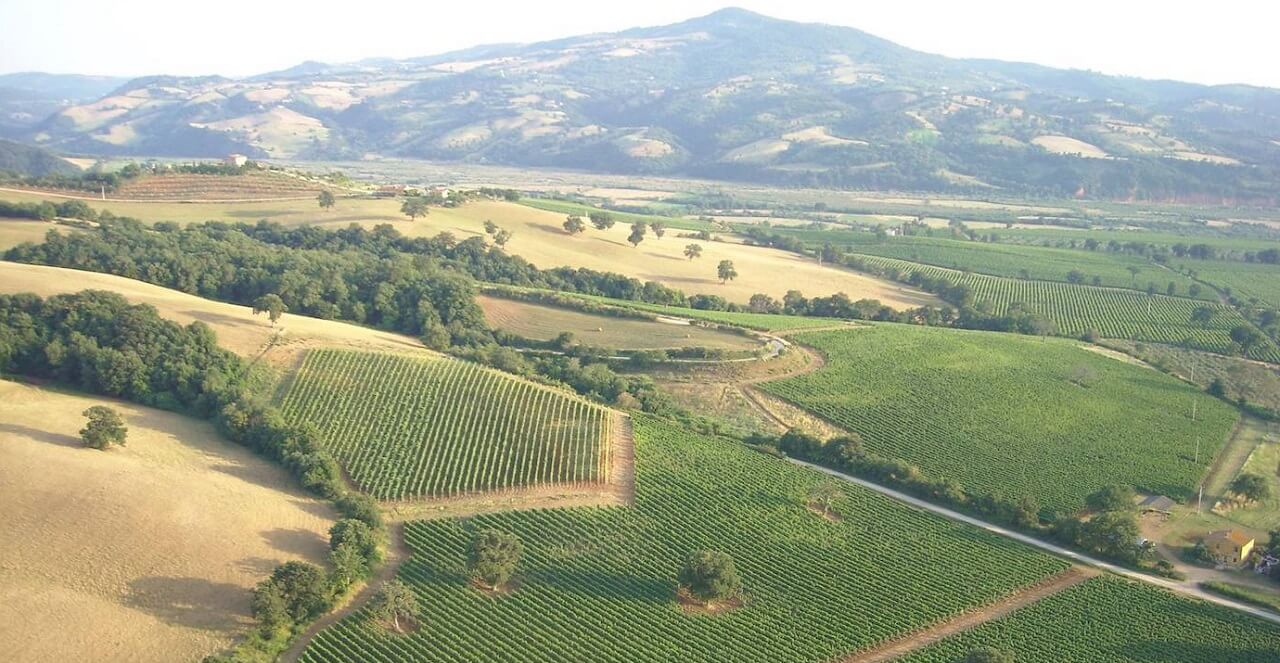
The Sangiovese based wines of Scansano close to the Tuscan coast are beginning to give the region’s other red wine name a run for the money.
Read more ▸Founded in 2000 after much campaigning by local producers, Orcia DOC must be made from at least 60% Sangiovese. Varietal Sangiovese wines must contain at least 90%.
Read more ▸Pomino DOC is a high-altitude Tuscan appellation known for its refined wines made from both French and Italian varieties. Nestled in the Apennines east of Florence, it offers cool-climate expressions of Pinot Noir, Chardonnay, and Sangiovese. L...
Read more ▸Rosso della Val di Cornia DOCG emerged in 2011 out of the existing Val di Cornia DOC. Today it requires a minimum of 40% Sangiovese to partner Cabernet Sauvignon and Merlot.
Read more ▸Rosso di Montalcino is often considered the younger sibling wine of the world famous Brunello di Montalcino. Produced from Sangiovese around the town of Montalcino in Tuscany, the wines tends to be soft, approachable and ready to drink a year o...
Read more ▸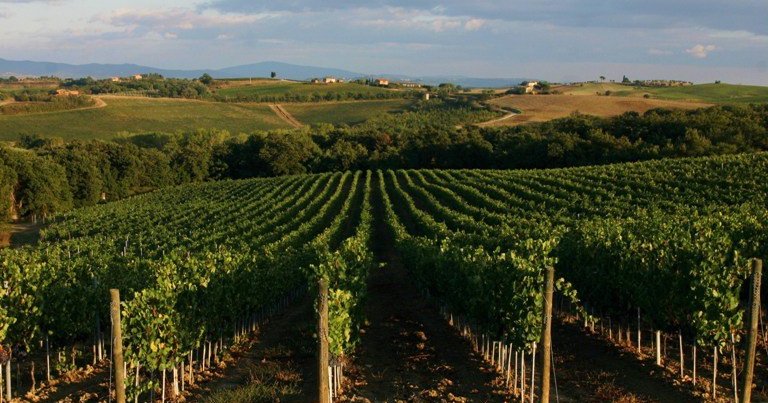
Rosso di Montepulciano is the Tuscan town of Montepulciano's entry level wine, which compliments the more prestigious Vino Nobile di Montepulciano DOCG. Wines are frequently made from young vines, released with less maturation and sometimes featur...
Read more ▸The San Gimignano DOC covers red wine production around the Tuscan town of San Gimignano. The white wines, for which the area is famous, are produced from Vernaccia and utilise the DOCG Vernaccia di San Gimignano. This separate DOC is used for ...
Read more ▸San Torpè DOC is a small appellation in Tuscany focussed on Rosato wines. It was created in 2011 and also includes Vin Santo which must contain a minimum of 50% Malvasia Bianca Lunga.
Read more ▸Named after the Romanesque 12th-Century Abbey of Sant'Antimo, this Tuscan DOC covers a similar territory as the world famous Brunello di Montalcino DOCG. Sangiovese is rarely used here however and the appellation exists to showcase wines from othe...
Read more ▸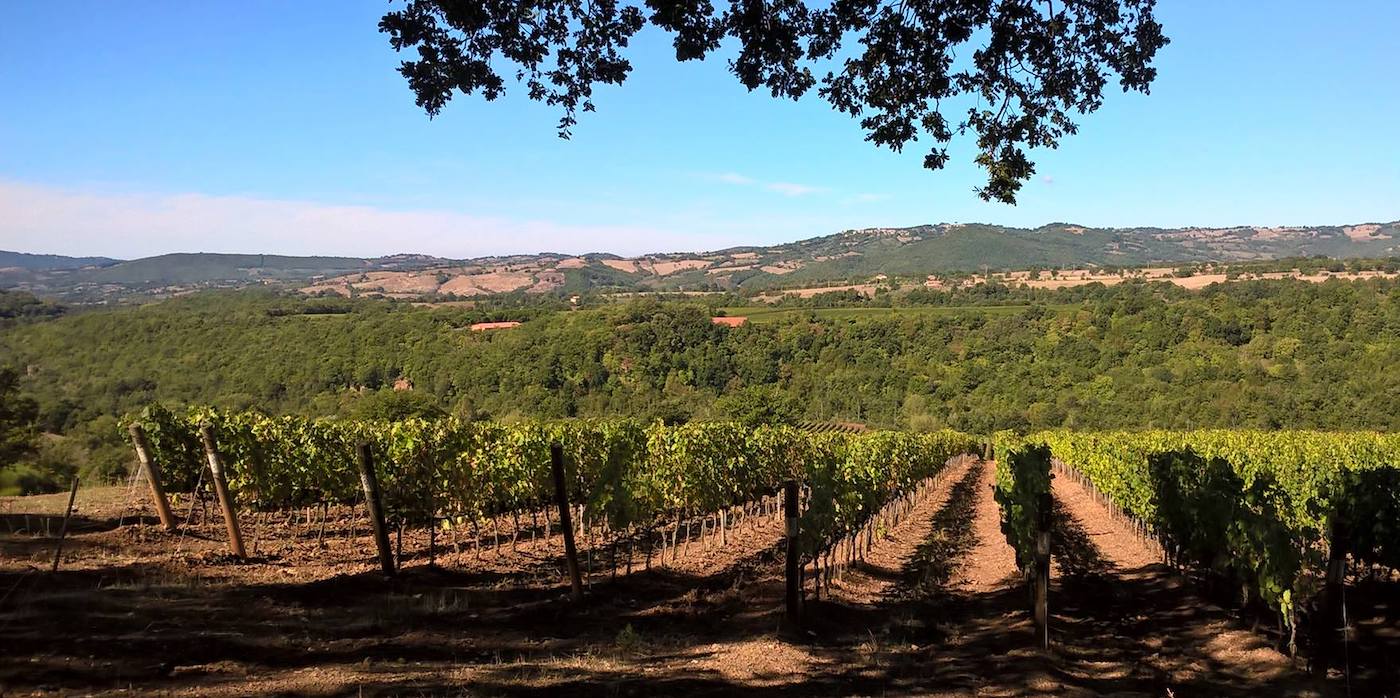
Created in 1999, Sovana is one of Tuscany's relatively new appellations. It is considered to be one of the great territories for the cultivation of Ciliegiolo, although others such as Merlot, Sangiovese and Cabernet Sauvignon are permitted.
Read more ▸Suvereto DOCG is a a relatively knew classification, used for red wine production on the Tuscan coast.
Read more ▸Terre di Pisa was created in 2011 to showcase the wines surrounding the Tuscan town of Pisa, and celebrate a viticultural heritage that dates back to the time of the Etruscans. Sangiovese dominates here, but there are also plantings of Merlot and ...
Read more ▸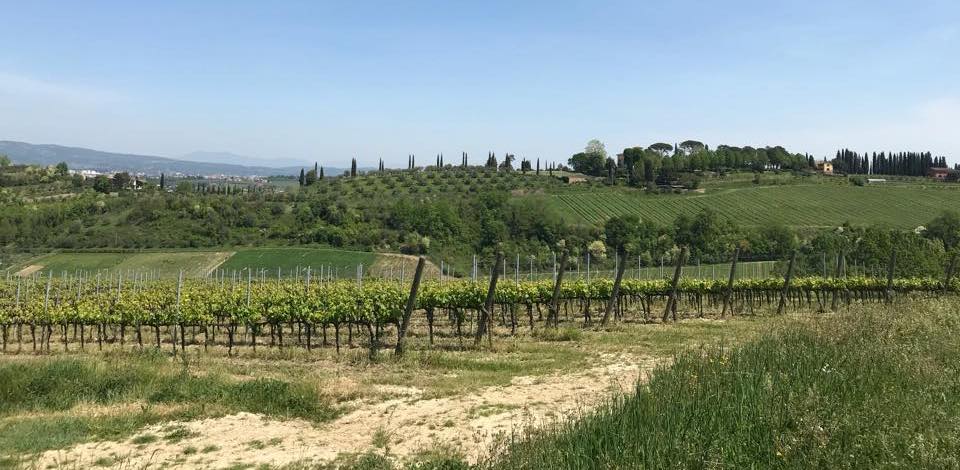
Regional appellation covering winemaking across Tuscany. Made particularly famous however by a movement of producers making premium quality wines from non-permitted grape varieties such as Cabernet Sauvignon and Merlot.
Read more ▸Val di Cornia DOC was created in 1989 allowing the wines of this small area of the Maremma opportunity to express its coastal characteristics. In 2011 a new DOCG emerged from the territory known as Rosso della Val di Cornia.
Read more ▸Val d’Arbia DOC is focussed primarily on white wine production from local Tuscan grapes such as Grechetto di Orvieto, Vermentino, Trebbiano Toscano and Malvasia Bianca Lunga.
Read more ▸Also known as Valdarno di Sopra DOC and incorporating the former Pietraviva DOC, it covers a range of wine styles.
Read more ▸Valdichiana Toscana DOC is home to a range of red, white and rosato wines, as well as sparkling and dessert wines. Red wines must contain a minimum of 50% Sangiovese.
Read more ▸Established in 1976, the little DOC of Valdinievole is rare used. In theory the appellation affords a little more opportunity for the Canaiolo Nero variety to shine, but as always in Tuscany, alongside Sangiovese. White wines are made with Trebbia...
Read more ▸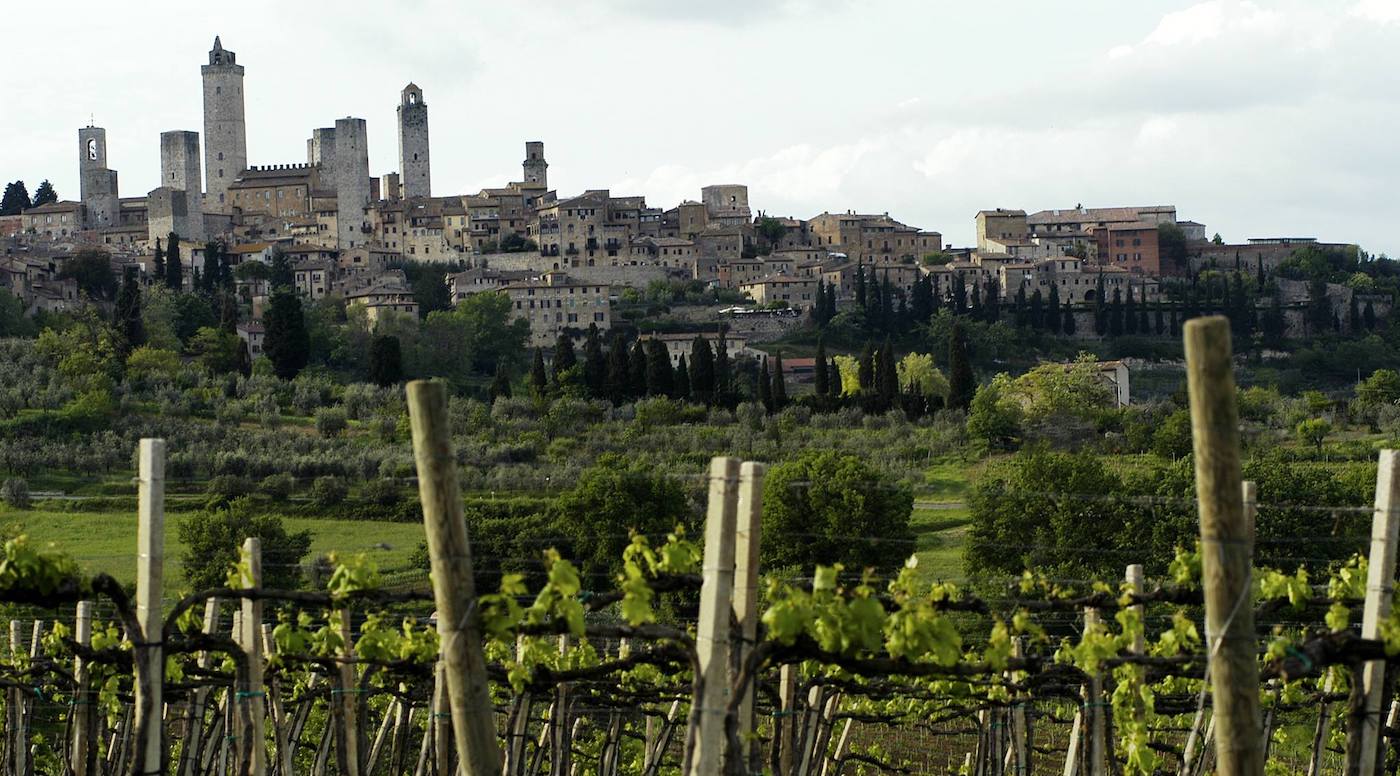
Vernaccia di San Gimignano is one of Tuscany's key white wine growing areas. The wines are dry, structured, and food friendly.
Read more ▸Italy’s most important Vin Santo appellation, produced in the Chianti Classico area of Tuscany.
Read more ▸Vin Santo di Carmignano is a small appellation for Vin Santo wines produced in the territory of Carmignano in central Tuscany.
Read more ▸Vin Santo di Montepulciano covers Vin Santo style wines produced around the Tuscan town of Montepulciano.
Read more ▸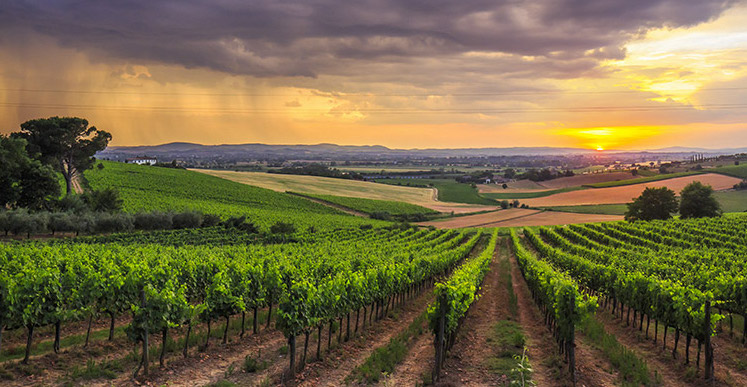
Vino Nobile di Montepulciano is an important Tuscan appellation for Sangiovese based red wines.
Read more ▸
Founded by Paul Caputo, Vinorandum is the place to discover more about fine wines from all around the world, as well as wine-growing countries, regions, appellations and producers.
© Copyright Vinorandum Ltd 2026