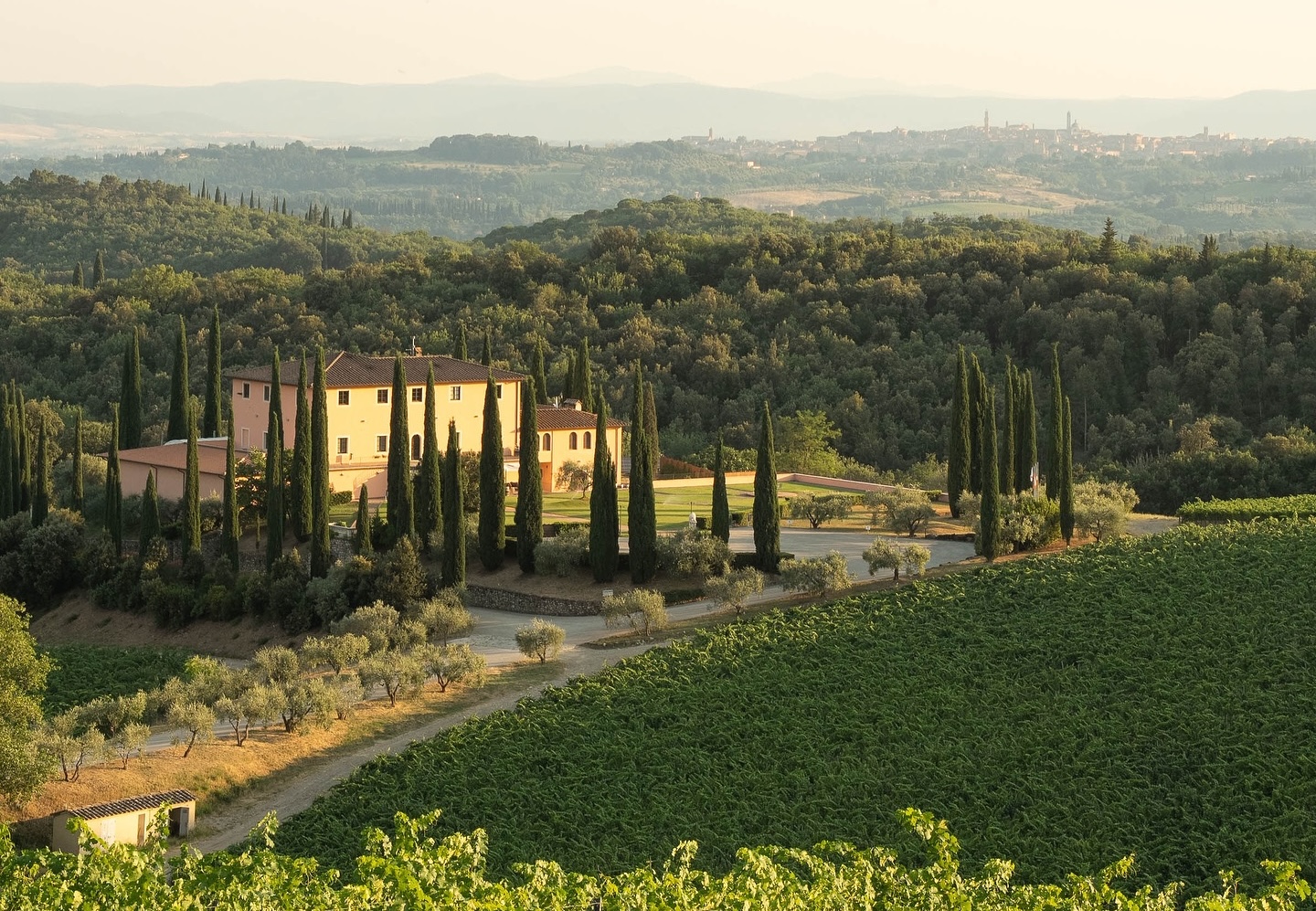
Tolaini is a modern Tuscan wine estate located in Castelnuovo Berardenga, within the southern part of the Chianti Classico zone. Founded by Pier Luigi Tolaini in the late 1990s, the estate has quickly gained a reputation for structured, terroir-driven wines that merge Bordeaux-influenced precision with Tuscan authenticity.
🗺 Tuscany, Italy
Tolaini was established by Pier Luigi Tolaini, who returned to Tuscany after decades of building a successful logistics business in Canada. He founded the estate with the ambition of producing world-class wines in his native region. Following his passing, his daughter Lia Tolaini-Banville assumed ownership and leadership. She is also the founder of Banville Wine Merchants, a U.S. wine import company, and plays an active role in promoting Tolaini internationally. Winemaking has been guided by a team that has included notable consultants such as Michel Rolland and, more recently, Valeria Vacca.
The Tolaini project began in 1998 when Pier Luigi Tolaini purchased two estates - Montepulciano and San Giovanni - in Castelnuovo Berardenga. The area was chosen for its historical reputation and its potential to produce powerful yet refined Sangiovese. The vineyards were replanted with a high-density model and modern trellising, and a state-of-the-art gravity-flow winery was constructed. From the first vintages in the early 2000s, Tolaini gained recognition for wines that balanced structure, richness, and clarity. Over time, the estate refined its focus on single-vineyard expressions and traditional Tuscan varieties, moving away from the more international styles of its early years.
Tolaini is located in Castelnuovo Berardenga, at the southeastern edge of the Chianti Classico zone, near Siena. The area is known for producing more structured, sun-drenched expressions of Sangiovese, thanks to warmer temperatures and mineral-rich soils. The estate's two primary vineyard holdings, Montepulciano and San Giovanni, cover roughly 100 hectares combined, with varying exposures and elevations that allow for detailed vineyard selection. The position, just outside the Montaperti hill and close to the Crete Senesi, gives a distinctive textural depth to the wines.
Tolaini farms approximately 50 hectares of vines, with high-density plantings of up to 7,000 vines per hectare. The vineyards are planted mainly to Sangiovese, with smaller amounts of Merlot, Cabernet Sauvignon, and Petit Verdot, although recent vintages have seen a stronger emphasis on native varieties. Soils are a mix of limestone, sandstone, and marine sediments, ideal for Sangiovese. The estate practices sustainable viticulture, with cover cropping, manual harvesting, and a strict green harvest regime to maintain concentration and balance. Precision viticulture is central to the estate’s quality model.
Tolaini’s winery is built for gravity-flow operations and minimal intervention. Grapes are hand-sorted and fermented in stainless steel or large oak casks, depending on the cuvée. The estate has evolved from early experimentation with Bordeaux blends toward a clearer expression of Sangiovese and the Chianti Classico terroir. Oak use is now more restrained, with larger casks playing a growing role. Wines are typically aged between 12 and 30 months, depending on the classification and style, with a focus on structure, aging potential, and site expression.
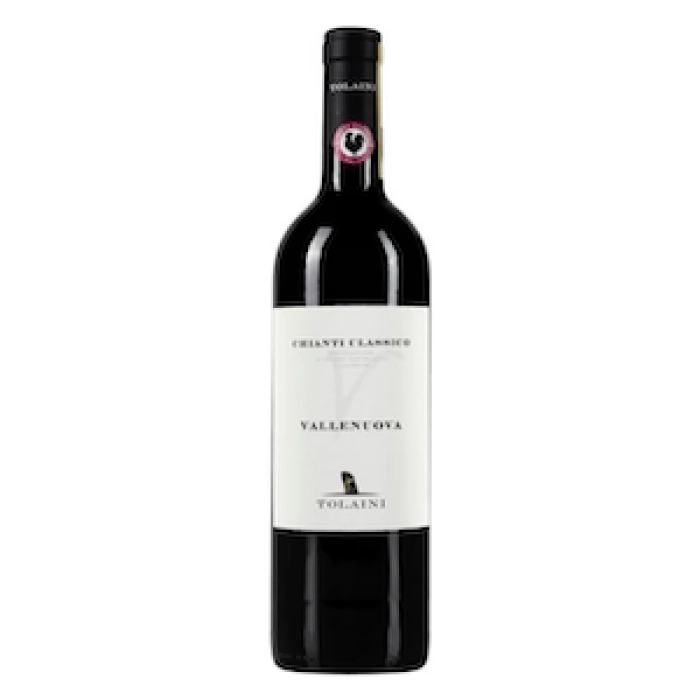
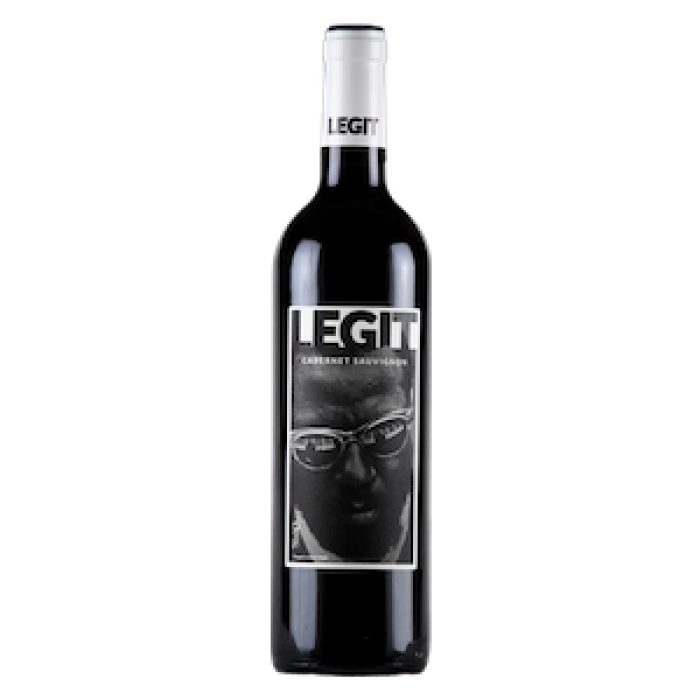
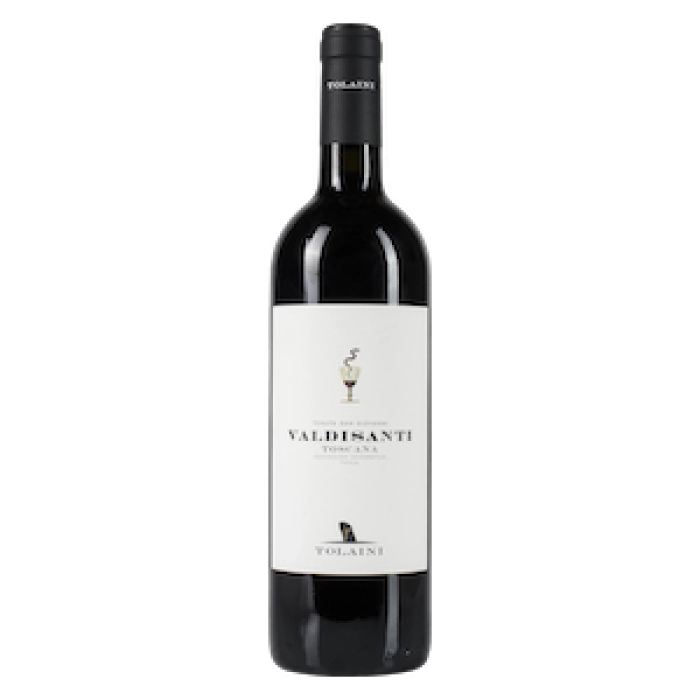
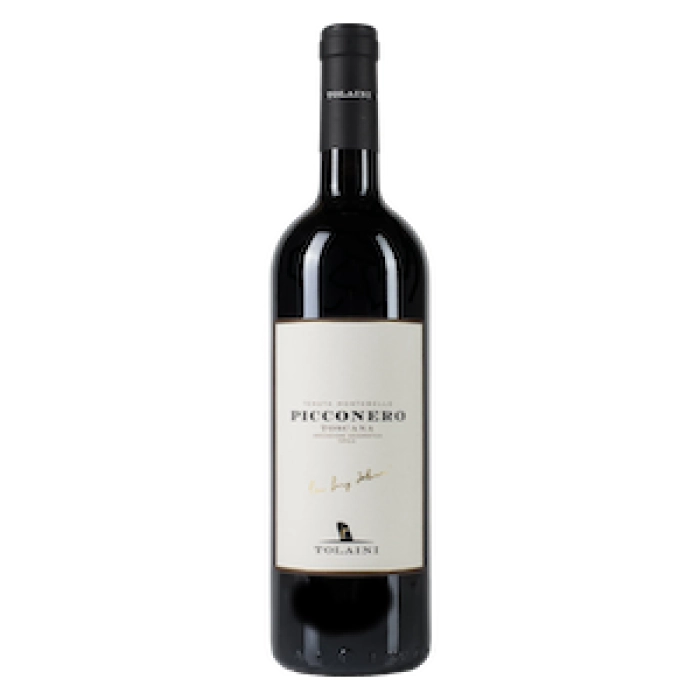
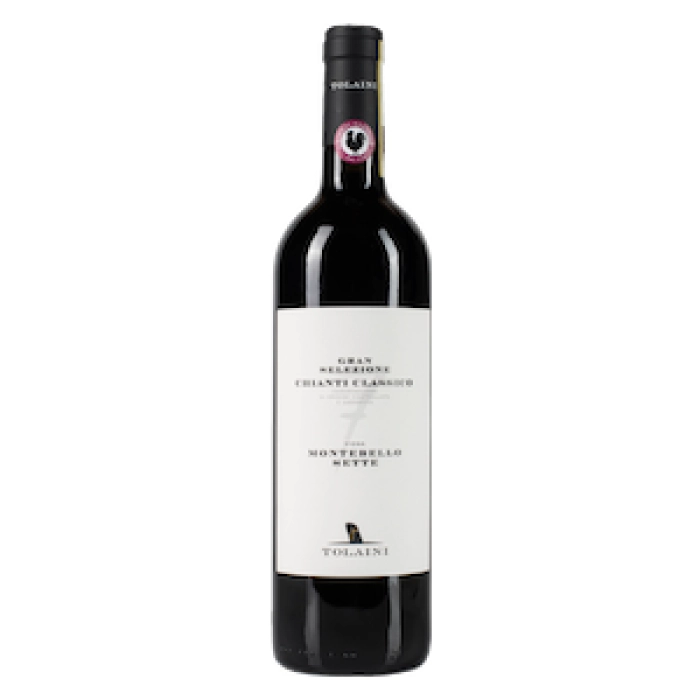
Tolaini’s flagship wines include “Picconero”, a Merlot and Cabernet Sauvignon blend that reflects the estate’s international beginnings, and “Valdisanti”, which integrates Sangiovese with Bordeaux varieties. However, recent acclaim has focused on “Gran Selezione” Chianti Classico wines from single vineyards like Montebello Sette, which highlight the estate’s shift toward site-specific Sangiovese. Legit, a pure Cabernet Sauvignon, is also notable for its unique identity and label (featuring a photo of Thelonious Monk).
Tolaini offers private tours and tastings by appointment at its winery in Castelnuovo Berardenga. Visitors can explore the estate’s vineyards, visit the modern gravity-flow winery, and taste wines in a dedicated hospitality space overlooking the vines. Tastings often include both current releases and older vintages, with a focus on vineyard expression and winemaking philosophy. The estate’s position near Siena makes it accessible for wine travellers exploring the southern reaches of Chianti Classico.