Search
WritingArticlesBlogReportsSpiritsTastings
Wines Wine Lists Recently Scored This month's 90+ Last month's 90+ Advanced Search (coming soon)
Discover Wine Regions ResourcesHistoryVintage Guides
AboutUpdatesVinorandum Paul Caputo Sample Policy
Subscribe Join TestimonialsWhy register?
CommunitySponsored Contributors Wine People Forum
Travel City GuidesDiningTravel
Contact Contact me Write for Vinorandum Advertise Submit your Wines

Monastrell

Monastrell is a thick skinned red grape native to southeastern Spain. Known for producing deeply coloured, full bodied wines with high tannin, bold dark fruit, and warm spice, it is best suited to hot dry climates and is a key variety in the regions of Jumilla, Yecla, and Bullas.
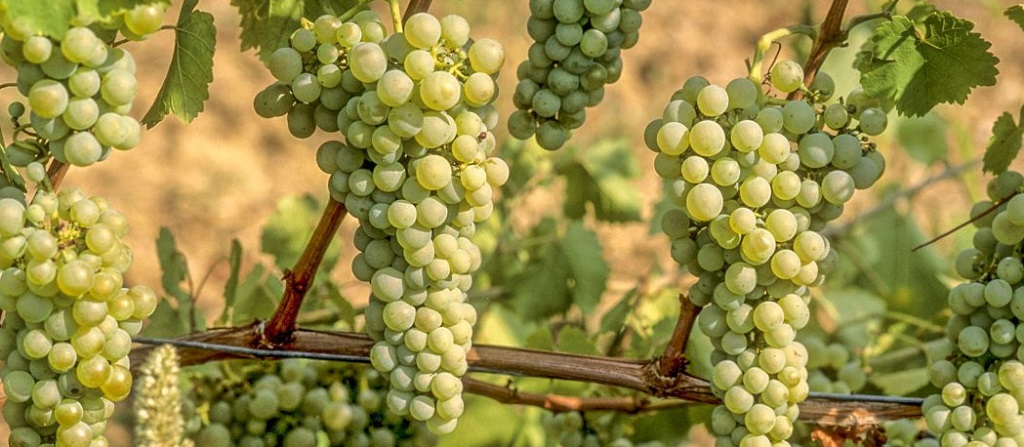

Synonyms: Mourvèdre, Mataro

Monastrell

Monastrell has been grown in Spain for many centuries and is believed to originate in the Valencia or Murcia area. The name Monastrell is thought to derive from the Latin word monasteriella, referencing the role of monasteries in its early cultivation. It was traditionally used for rustic local reds and fortified wines, particularly in the arid interior of southeastern Spain. From the late nineteenth century, it also gained a presence in southern France, where it became known as Mourvèdre. Though long associated with hearty bulk wine production, Monastrell has undergone a quiet renaissance in recent decades, with producers focusing on old vines, better vineyard management, and more nuanced winemaking.

DNA analysis confirms that Monastrell and Mourvèdre are genetically identical. The grape is also known as Mataró in parts of Australia and California, a name inherited through Catalan influence. In Spain, Monastrell remains the standard name, especially in Jumilla, Yecla, and Alicante. It is unrelated to Garnacha or Tempranillo, though it is often found alongside them in regional blends. Its teinturier colour and warm climate resilience have made it popular for blending across the Mediterranean basin. Despite shared identity with Mourvèdre, stylistic differences arise from regional variations in climate, soil, and winemaking tradition.

Monastrell is a late budding and late ripening variety that thrives in hot, dry, and sunny conditions. It is highly drought tolerant and well suited to bush vine training on low fertility soils. The vine is moderately vigorous and produces compact bunches of thick skinned berries rich in colour and phenolic content. Inadequate ripening can result in overly tannic or herbaceous wines, so full sun exposure and warm temperatures are essential. Old vines in sandy or rocky soils yield concentrated fruit with balanced acidity and expressive character. Disease pressure is typically low due to the dry climate in its traditional growing zones.

Monastrell is often fermented in stainless steel or concrete to retain freshness, followed by ageing in oak to integrate tannins and add depth. Maceration is usually extended to extract structure and richness, though some producers are shifting toward gentler handling to highlight elegance and aromatic complexity. Oak ageing is common, often in used French or American barrels. In blends, Monastrell brings power, colour, and density, especially when combined with Garnacha or Syrah. Some modern winemakers are exploring earlier picking, whole bunch fermentation, and low intervention techniques to offer fresher and more transparent styles.

Monastrell produces full bodied dry red wines with high colour intensity, elevated tannins, and moderate to high alcohol. Aromas include black plum, blackberry, fig, dark chocolate, black pepper, and dried herbs. With age, flavours of leather, tobacco, and earthy spice develop. The texture can range from dense and chewy to more refined, depending on winemaking and vine age. Most wines are robust and warming, but careful site selection and modern vinification can yield fresher styles with lifted aromatics and defined structure. Monastrell is also used in rosé production, where its colour and acidity offer body and grip.

Monastrell is central to the renewal of southeastern Spanish wine. Regions such as Jumilla, Yecla, and Bullas are producing increasingly sophisticated wines from old vines grown at high elevation on limestone soils. Organic and dry farming are common, and a new wave of producers is focused on expressing terroir rather than simply power. There is growing interest in minimal oak, earlier harvests, and microvinification to produce wines with energy and finesse. Though still used in bulk production, Monastrell is steadily shedding its rustic reputation and becoming recognised for both value and authenticity in the context of Mediterranean viticulture.

In Jumilla, Casa Castillo produces benchmark Monastrell from bush vines on calcareous soils, ranging from bright and mineral to powerful and ageworthy. Juan Gil offers structured, modern styles from old vines at various altitudes. Bodegas Olivares crafts elegant Monastrell with finesse and freshness from ungrafted pre phylloxera vines. In Yecla, Barahonda and Castaño produce both traditional and international styles that showcase richness and balance. These producers reflect the diversity and quality now emerging from Monastrell’s historic homeland.